Oral Health
I want to be honest with you. I am not a dentist. I am not a doctor. I am just someone who had really bad gum problems for years and did not understand why. I brushed every day. I used mouthwash. I still had bleeding gums, bad breath, and my dentist kept telling me things were getting worse.
So I started reading. A lot. And what I found surprised me completely.
Most of what we think we know about oral health is either wrong or incomplete. Brushing is important, yes. But it is only one small part of a much bigger picture. There is a whole world of bacteria living in your mouth right now — some good, some bad — and the balance between them is what actually decides if your mouth is healthy or not.
This guide covers everything. I wrote this because honestly, most health articles online are written for doctors, not for regular people like us. By the end of this, you will understand your mouth better than most people ever do.
Let us start from the beginning.
1. Why Your Mouth Matters More Than You Think
Most people think oral health just means: do I have cavities? Do my teeth look okay?
But your mouth is connected to everything else in your body. Scientists have found links between poor oral health and serious problems like heart disease, diabetes, memory loss, and even pregnancy complications. This is not a small thing. This is your overall health.
Your mouth is the entry point for everything — food, air, water. It has more bacteria per square centimetre than almost anywhere else in your body. When that bacterial environment goes wrong, it does not just affect your teeth. It can affect your heart, your blood, your brain.
I know that sounds scary. But it is actually good news, because it means taking care of your mouth properly can improve your whole health — not just your smile.
What is the oral microbiome?
This word — microbiome — is something you will hear a lot in this guide. Let me explain it simply.
Your mouth has hundreds of types of bacteria living in it. This collection of bacteria is called the oral microbiome. Some of these bacteria are helpful. They protect your gums, help with digestion, and keep bad bacteria from taking over. Others are harmful. They produce acid that destroys teeth. They cause inflammation in your gums. They create the sulfur compounds that make your breath smell bad.
A healthy oral microbiome is one where the good bacteria outnumber and control the bad ones. An unhealthy oral microbiome is one where bad bacteria have taken over — usually because of poor diet, stress, dry mouth, or the wrong dental products.
Here is the thing that changed everything for me: no amount of brushing can fix a broken oral microbiome. Brushing cleans the surface of your teeth but does nothing for the bacteria living deep in your gum tissue. We explain this in full detail in our article on why brushing alone is not enough — it is a real eye-opener.
2. The Basics — What You Actually Need to Know About Brushing
Okay, let us talk about brushing. Because even though I said brushing alone is not enough, you still need to do it right. And most people are doing it wrong.
How often should you brush?
Twice a day. Morning and night. This is the minimum. The most important one is at night — before you sleep. During the night, your saliva production drops. Saliva is your mouth’s natural cleaning system. Less saliva at night means bacteria can grow more freely. If you go to bed with food particles and plaque on your teeth, the bacteria have hours to work on destroying your enamel.
Brushing in the morning is important too, because bacteria multiply while you sleep. That morning breath you have? That is bacteria doing their work overnight.
Are you using the right toothbrush?
This matters more than most people think. Here is what I recommend after lots of reading:
- Use a soft-bristled brush, not medium or hard. Hard bristles damage your enamel and irritate your gums over time.
- Electric toothbrushes are generally better than manual ones. Research shows they remove more plaque with less effort. But a good manual technique works fine too.
- Replace your toothbrush every 3 months, or sooner if the bristles look bent. Worn bristles do almost nothing.
- Small brush heads are better because they can reach the back teeth more easily.
The right brushing technique
Hold your brush at a 45-degree angle to your gums. Use gentle, circular motions — not aggressive back-and-forth scrubbing. You are trying to clean, not sand the enamel off.
Brush for two full minutes. Most people brush for 45 seconds and think they are done. Set a timer once just to see. Two minutes feels surprisingly long.
Do not brush immediately after eating acidic foods like citrus, soda, or vinegar-based foods. The acid temporarily softens your enamel. Wait 30 minutes before brushing after anything acidic.
What about toothpaste?
Fluoride toothpaste is the standard recommendation from most dental associations, and the evidence for fluoride preventing cavities is strong. But there is also an important movement around fluoride-free options for people who prefer more natural ingredients.
What you want to avoid is toothpaste with harsh abrasives, artificial sweeteners like saccharin, or microplastic beads. Many commercial toothpastes have ingredients that can actually irritate the gum tissue over time.
Ingredients that are actually useful in toothpaste: fluoride (for cavity prevention), hydroxyapatite (a newer ingredient that remineralizes enamel), xylitol (kills certain harmful bacteria), and baking soda (gently cleans and neutralizes acid).
3. Flossing — The Step Everyone Skips
I used to skip flossing. Almost everyone does. And honestly, I understand why — it takes extra time, it can hurt if your gums are sensitive, and it feels like it does not make much difference.
But here is what changed my mind: 40% of your tooth surfaces are between your teeth. Brushing cannot reach there. If you never floss, you are leaving nearly half of each tooth surface completely uncleaned.
The space between teeth is exactly where decay starts and where gum disease begins. It is a warm, moist, dark space where food gets trapped and bacteria thrive.
How to floss properly
Use about 45 centimetres of floss. Wind most of it around your middle fingers so you have a clean section for each gap. Hold the floss tightly between thumbs and forefingers.
Slide it gently between teeth using a zigzag motion — do not snap it hard into your gums. Curve it around each tooth in a C-shape and slide it under the gum line. Use a clean section of floss for each space.
If your gums bleed when you floss, do not stop. Most people think bleeding means they should not floss. It actually means your gums are inflamed from not being cleaned there. The bleeding usually stops within one to two weeks of consistent flossing as the gums get healthier.
Alternatives to string floss
- Water flossers — they use a stream of water to clean between teeth. Very effective and easier to use.
- Interdental brushes — tiny brushes that fit between teeth. Great for people with larger gaps.
- Floss picks — convenient but not quite as effective as string floss because you reuse the same section.
4. Gum Disease — What It Is and Why It Sneaks Up on You
Gum disease is one of the most common health conditions in the world. Studies say that nearly half of all adults over 30 have some form of it. And most of them do not know.
That is the scary part. Gum disease often does not hurt in the early stages. You might not notice it at all until it has caused real damage.
The two stages of gum disease
Gingivitis is the early stage. This is where your gums become red, swollen, and bleed when you brush or floss. It is caused by plaque building up along and under the gum line. The good news is that gingivitis is fully reversible with proper cleaning.
Periodontitis is the advanced stage. This happens when gingivitis is left untreated. The infection spreads below the gum line and starts destroying the bone and tissue that hold your teeth in place. Teeth can become loose. Gaps can form. And the bacteria involved in periodontitis have been found in the bloodstream, linked to heart disease. Periodontitis is not fully reversible — you can stop it from getting worse, but you cannot always undo the damage.
Warning signs to watch for
Knowing the warning signs early is everything. We wrote a detailed article covering 7 signs your gums are unhealthy and what to do about it — but here are the key ones to watch for:
- Gums that bleed when you brush or floss
- Red, swollen, or tender gums
- Gums that are pulling away from your teeth
- Persistent bad breath that does not go away
- Teeth that feel loose or that have shifted position
- Sensitivity to hot or cold
- Pain when chewing
If you already have bleeding gums, read our guide on how to stop bleeding gums naturally — 8 things that actually work. It covers practical steps you can start today.
What causes gum disease?
The main cause is plaque that is not removed properly. But there are other factors that make things worse:
- Smoking — one of the biggest risk factors. Smokers are far more likely to develop serious gum disease.
- Diabetes — high blood sugar creates a better environment for bacteria and weakens the immune response.
- Stress — it lowers your immune system’s ability to fight infection.
- Hormonal changes — pregnancy, puberty, and menopause can make gums more sensitive.
- Certain medications — some medicines reduce saliva, which protects your mouth.
- Genetics — some people are simply more prone to gum disease even with good habits.
5. Bad Breath — The Real Cause (Most People Have This Wrong)
If you have bad breath, you are not alone. It is one of the most common things people worry about and one of the most misunderstood.
Most people think bad breath comes from what you eat. Garlic, onions, coffee — yes, these can cause temporary bad breath. But if you have persistent bad breath that does not go away after brushing, food is not the real problem.
Where bad breath actually comes from
The main cause of chronic bad breath is bacteria on your tongue and in your gum pockets producing sulfur compounds. We cover this topic completely in our article on what really causes bad breath — it is not what you think. But the short version: these bacteria thrive when your oral microbiome is out of balance.
These bacteria thrive when:
- Your mouth is dry — less saliva means less natural cleaning
- Your oral microbiome is out of balance — too many bad bacteria
- You have gum disease — the deep pockets are full of bacteria
- You have food trapped in hard-to-clean areas
- Your tongue has a thick coating of bacteria
What actually helps bad breath
Mouthwash is what most people reach for. And it does help temporarily. But here is the problem: most alcohol-based mouthwashes kill all bacteria — good and bad. This gives you fresh breath for a few hours but then the bacteria repopulate quickly, often coming back even more aggressively because the good protective bacteria are also gone.
What actually helps long-term:
- Cleaning your tongue — use a tongue scraper every morning. This removes the bacteria-laden coating that is the biggest source of bad breath.
- Staying hydrated — drink enough water throughout the day to keep saliva flowing.
- Fixing gum disease — if your gums have deep pockets, no amount of mouthwash will fix the bacteria living there.
- Balancing your oral microbiome — this is where oral probiotics become very interesting.
- Xylitol products — xylitol kills the specific bacteria most linked to bad breath and tooth decay.
6. The Oral Microbiome — The Key Nobody Talks About
This is the section I wish someone had explained to me years ago. Everything I have learned about oral health in the last few years comes back to this: the oral microbiome is the foundation of everything.
Your mouth is an ecosystem
Think of your mouth like a garden. A healthy garden has lots of different plants — some tall, some short, some flowering. They all work together. They keep each other in check. Weeds exist but they cannot take over because everything else is thriving.
An unhealthy garden is dominated by weeds. Once weeds take over, it is hard to grow anything else.
Your oral microbiome works the same way. When it is balanced, the beneficial bacteria produce substances that inhibit harmful bacteria, protect the gum tissue, reduce inflammation, and even help remineralize tooth enamel. When harmful bacteria take over, you get decay, gum disease, and chronic inflammation.
This is why brushing only fixes part of the problem. For a deeper look, see our article on the truth about your oral microbiome and why brushing is not enough.
What disrupts the oral microbiome?
- Sugar — feeds harmful bacteria like Streptococcus mutans, which produce the acid that causes cavities
- Alcohol-based mouthwash — kills good and bad bacteria indiscriminately
- Antibiotics — necessary sometimes, but they wipe out beneficial oral bacteria too
- Dry mouth — saliva contains antimicrobial proteins that protect good bacteria
- Processed foods — low-fiber diets starve the good bacteria
- Stress — changes the chemistry of your saliva and weakens your immune system
- Breathing through your mouth — dries the mouth and disrupts the environment
What supports a healthy oral microbiome?
- Eating fibrous vegetables — they physically clean your teeth and feed good bacteria
- Drinking water — keeps saliva production healthy
- Using gentle toothpastes — harsh ingredients can kill beneficial bacteria
- Oral probiotics — this is an emerging area with some exciting research
- Xylitol — selectively kills harmful bacteria while leaving good ones alone
- Cranberry extract — contains compounds that prevent harmful bacteria from sticking to tooth surfaces
Oral probiotics — do they work?
Oral probiotics are a newer category of supplement specifically designed to introduce beneficial bacteria strains into your mouth — not your gut. They come as lozenges or tablets you dissolve slowly in your mouth so the bacteria can colonize the oral tissues.
The research is still growing but the early studies are interesting. Certain strains like Lactobacillus reuteri and Streptococcus salivarius K12 have shown the ability to reduce gum inflammation, lower harmful bacteria counts, reduce bad breath, and improve overall gum health.
We compared these two approaches head to head in our article on oral probiotics vs mouthwash — which one actually works. The results might surprise you.
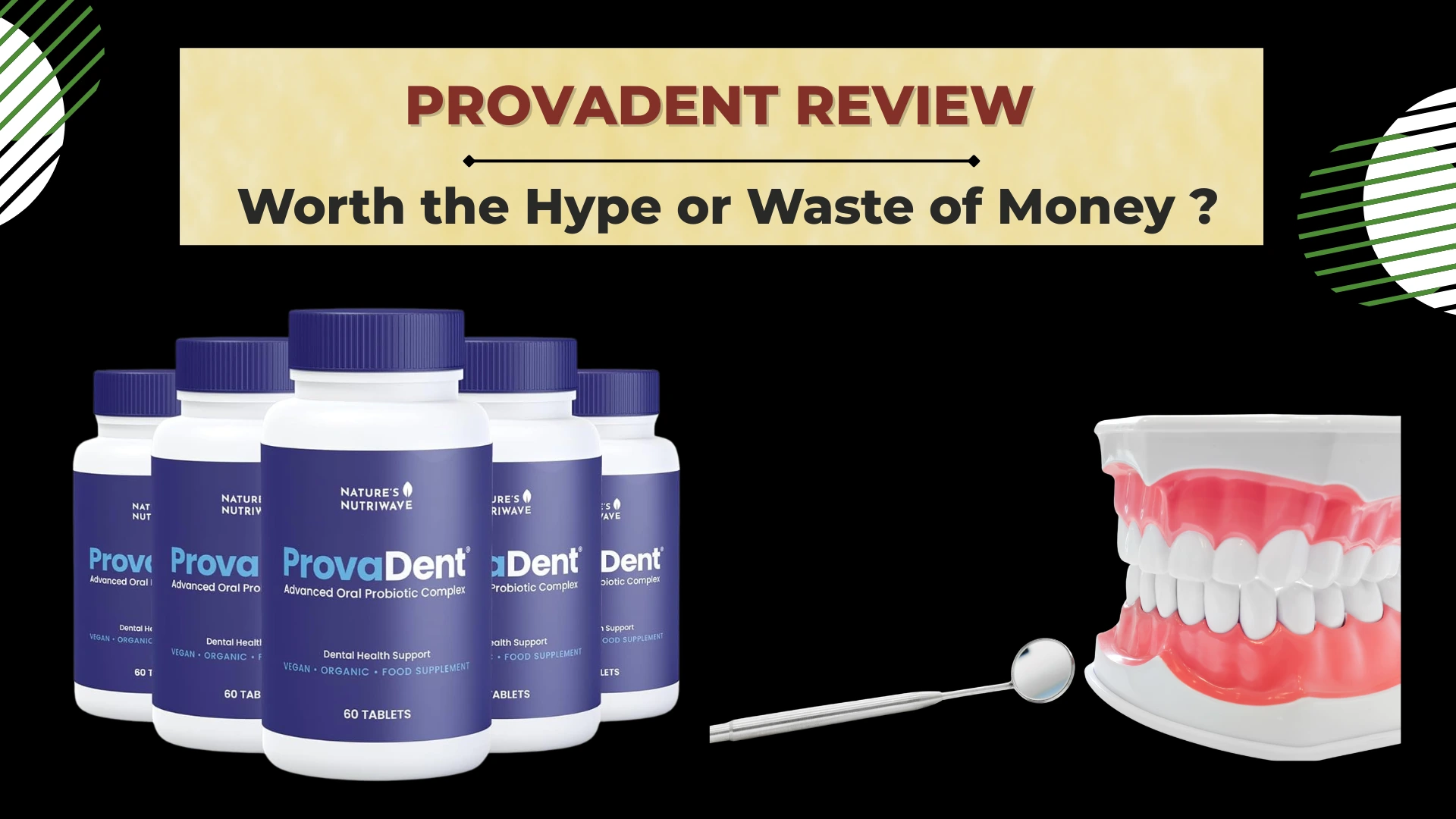
Products like Provadent combine oral probiotic strains with supporting ingredients like xylitol and cranberry extract for a more complete approach. If you want our honest take on it, read our full Provadent review 2026.
7. Diet and Oral Health — What to Eat and What to Avoid
What you eat directly determines how acidic your mouth is and what bacteria get fed. Your diet is one of the biggest controllable factors in your oral health.
Foods that harm your teeth
Sugar is the obvious one. But it is not just sweets. Refined carbohydrates — white bread, crackers, chips — break down into sugar quickly. The bacteria in your mouth convert this sugar into acid within minutes. That acid attack on your enamel lasts about 20 minutes each time. If you are snacking throughout the day, your teeth are under constant acid attack.
Acidic foods and drinks — citrus fruits, fizzy drinks, energy drinks, wine, and vinegar — soften your enamel directly. The pH of your mouth drops below 5.5 and enamel starts dissolving. This is temporary, but if it happens repeatedly throughout the day, the damage adds up.
Sticky foods — dried fruit, gummy sweets, caramel — cling to your teeth and stay there for a long time, giving bacteria more time to feed.
Alcohol dries out your mouth by reducing saliva production. A dry mouth is a more bacterial-friendly environment.
Foods that protect your teeth
Cheese and dairy — contain calcium and phosphate that help remineralize enamel. Cheese also raises the pH of your mouth, reducing acidity.
Crunchy vegetables — carrots, celery, cucumbers — act like natural toothbrushes. They stimulate saliva and scrub the tooth surface.
Green tea — contains polyphenols that reduce harmful bacteria and inflammation. One of the best drinks for oral health.
Water — the single best thing you can drink for your mouth. It washes away food, neutralizes acid, and supports saliva production.
Xylitol products — chewing gum or mints with xylitol stimulate saliva and actively kill harmful bacteria. A good option after meals when you cannot brush.
8. Mouthwash — Is It Actually Helping You?
This one surprised me. I used mouthwash every day for years thinking it was an essential part of oral care. The truth is more complicated.
The problem with alcohol-based mouthwash
Most popular mouthwashes contain a high percentage of alcohol — sometimes 25% or more. Alcohol is the antibacterial agent. And yes, it kills bacteria. All bacteria. Including the beneficial ones your mouth needs.
The short-term result is fresher breath and a cleaner feeling. But in the long run, repeatedly wiping out your good bacteria creates an environment where harmful bacteria can recolonize more aggressively.
We go deep on this in our comparison article: oral probiotics vs mouthwash — which one actually works? It explains exactly why the mouthwash approach can backfire.
Are there good mouthwashes?
Yes. If you want to use mouthwash, look for:
- Alcohol-free formulas — they clean without drying
- Chlorhexidine — prescribed by dentists for active gum disease. Very effective but not for daily long-term use.
- CPC (cetylpyridinium chloride) — a milder antibacterial that is gentler than chlorhexidine
- Xylitol-containing rinses — selectively antibacterial without harming good bacteria
- Essential oil mouthwashes — products containing thymol, eucalyptol, and menthol have good evidence behind them
9. The Connection Between Your Mouth and Your Body
Your mouth is not separate from your body. The bacteria in your mouth, the inflammation in your gums, the compounds produced by oral bacteria — all of these enter your bloodstream and affect the rest of your body.
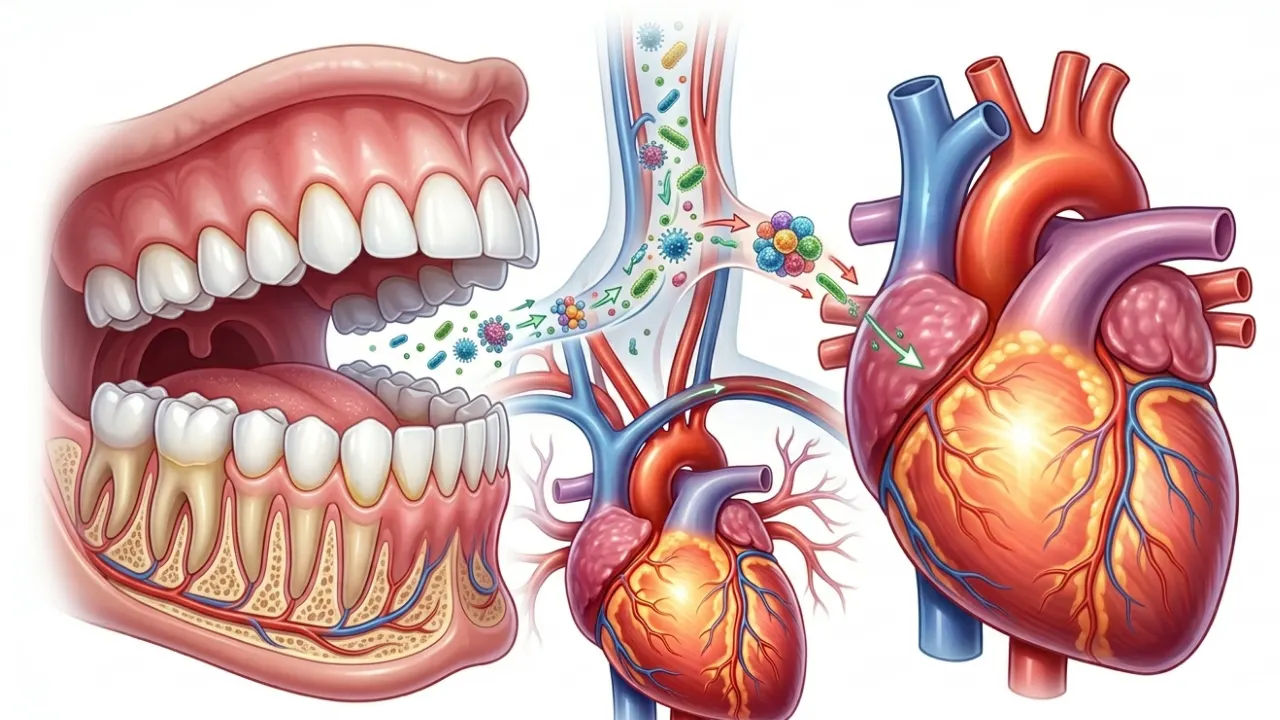
We wrote a full article on why oral health affects your whole body — including your heart. It covers the research in a way that is genuinely eye-opening. Here is the summary:
Oral health and heart disease
Multiple large studies have found that people with gum disease are significantly more likely to develop heart disease. The leading theory is that bacteria from infected gums enter the bloodstream and cause inflammation in blood vessels, contributing to arterial plaque buildup.
The bacteria Porphyromonas gingivalis — one of the main culprits in periodontitis — has been found inside coronary artery plaques in people with heart disease. This is not a coincidence.
Oral health and diabetes
The relationship between gum disease and diabetes runs in both directions. High blood sugar creates a better environment for harmful oral bacteria. But gum disease also makes it harder to control blood sugar. People with diabetes and gum disease have worse outcomes on both fronts.
The good news: treating gum disease has been shown in multiple studies to improve blood sugar control in diabetic patients.
Oral health and dementia
Several studies have found links between periodontitis and increased risk of Alzheimer’s disease. The bacteria P. gingivalis has been found in the brains of Alzheimer’s patients. Researchers believe the bacteria may travel from the mouth to the brain through the bloodstream or nerve pathways.
Oral health and pregnancy
Pregnant women are more susceptible to gum disease due to hormonal changes. And gum disease during pregnancy has been linked to premature birth and low birth weight. If you are pregnant or planning to become pregnant, please do not skip your dental checkups.
10. Supplements for Oral Health — What Works?
No supplement replaces good dental habits. Brushing, flossing, eating well, and seeing your dentist — these are the foundation. Supplements can support and enhance that foundation. They cannot replace it.
With that said, here are the ones with real evidence behind them:
Xylitol
This is probably the best-studied natural compound for oral health. Xylitol is a sugar alcohol that looks and tastes like sugar but behaves completely differently in the mouth. Harmful bacteria absorb xylitol but cannot process it. This essentially starves them and eventually kills them without affecting beneficial bacteria.
The research behind xylitol is strong. Read our full breakdown: xylitol for teeth — does it really prevent cavities?.
Cranberry extract
Cranberry is known for urinary tract health, but it also has significant benefits for oral health. Cranberry contains compounds that prevent bacteria from sticking to tooth surfaces and gum tissue. Bacteria need to stick to surfaces to form plaque. When they cannot stick, they cannot colonize.
We researched this ingredient carefully. See our article on cranberry for oral health — what the science actually says.
Oral probiotics
As we discussed earlier, oral probiotics introduce beneficial bacteria strains directly to the mouth. The most studied strains include:
- Streptococcus salivarius K12 — produces compounds that inhibit harmful bacteria and reduce bad breath
- Lactobacillus reuteri — shown to reduce gingival inflammation and lower harmful bacteria counts in clinical studies
- Lactobacillus paracasei — may help prevent tooth decay by interfering with Streptococcus mutans
Vitamin D
Vitamin D deficiency is linked to increased risk of gum disease and tooth loss. Vitamin D plays a role in immune function and in the body’s ability to fight infection — including oral infections. Most people in modern indoor lifestyles are deficient in it.
Vitamin C
Vitamin C is essential for the production of collagen, which is what your gum tissue is made of. Even mild deficiency can contribute to gum fragility and bleeding. Getting enough vitamin C from food or supplements supports gum tissue health.
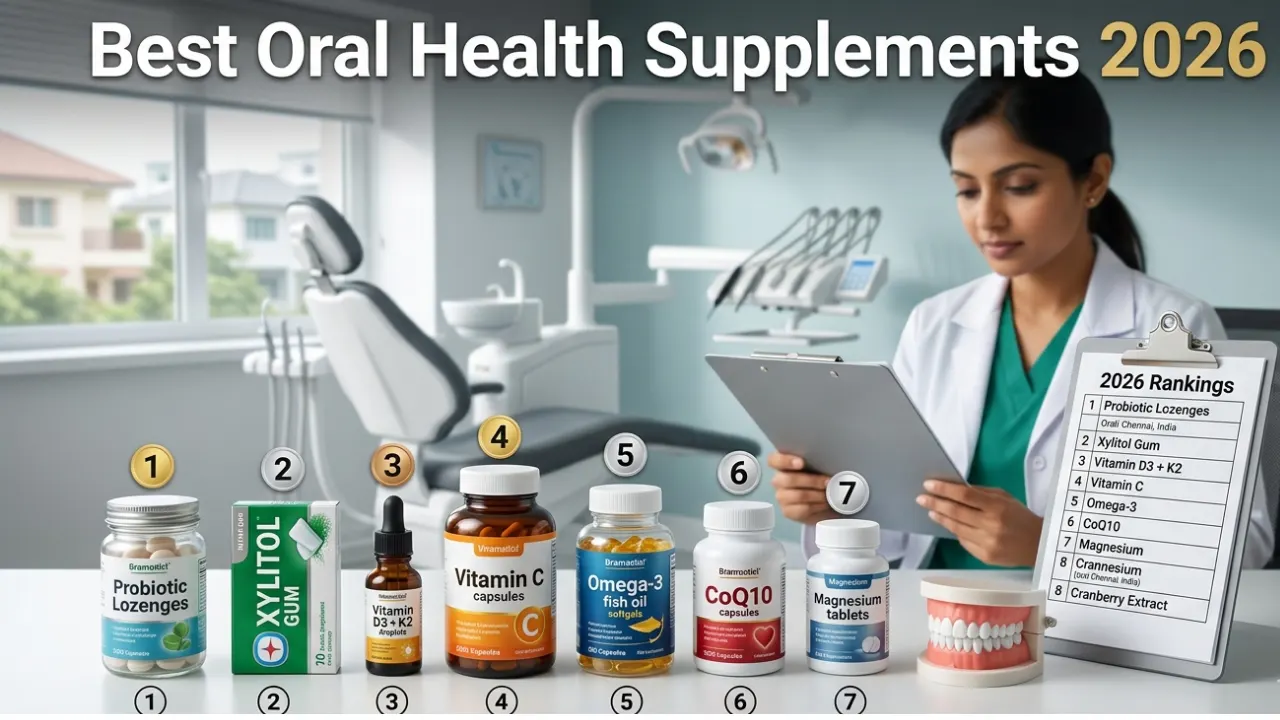
Want to see how different oral health supplements compare? We ranked and reviewed them in our article on the best oral health supplements in 2026.
11. Children and Oral Health — Starting Right
So many oral health problems in adults start in childhood. If you have children or are around them, this section matters a lot.
When should oral care begin?
Before teeth even arrive. You can wipe a baby’s gums with a clean damp cloth after feeding. When the first tooth appears — usually around 6 months — start brushing with a tiny smear of fluoride toothpaste and a soft baby toothbrush.
The first dental visit should happen by age one or when the first tooth appears, whichever comes first.
The biggest mistakes parents make
- Putting babies to bed with a bottle of juice or milk — the sugar sits on teeth all night and causes severe decay.
- Sharing spoons, forks, or kissing the baby on the lips — cavity-causing bacteria can be passed from adult to child this way.
- Waiting until a child complains of pain to see a dentist — pain means the problem is already advanced.
- Letting children eat too many sweet snacks throughout the day — constant exposure to sugar is much more damaging than eating sweets at one meal.
12. How Often Should You See the Dentist?
The standard recommendation is every six months. It takes roughly six months for plaque to harden into calculus (tartar), which you cannot remove at home — it has to be scraped off by a professional. Regular cleanings prevent this buildup from causing permanent damage.
Beyond cleaning, your dentist checks for cavities, signs of gum disease, oral cancer, and other problems. Many serious conditions are found at routine checkups before symptoms appear.
Some people need to go more often — every 3 or 4 months. This includes people with active gum disease, people who are prone to cavities, smokers, diabetics, and pregnant women.
13. Daily Oral Health Routine — Simple and Practical
Let me put everything together into a simple daily routine. This is what I do now and it has genuinely transformed my oral health.
Morning
- Scrape your tongue with a tongue scraper — removes the bacteria that built up overnight
- Brush for 2 minutes with a soft brush and good toothpaste
- Floss or use an interdental brush
- Rinse with water or an alcohol-free mouthwash
- Drink a large glass of water
Throughout the day
- Drink plenty of water — especially after meals
- Chew xylitol gum after meals when you cannot brush
- Avoid grazing on sweet or acidic foods — try to keep eating to defined meals
Evening
- Brush again for 2 minutes
- Floss — this is the most important floss session of the day
- If using an oral probiotic supplement, take it now — letting it dissolve slowly in your mouth
- Do not eat or drink anything after this except water
14. Common Myths About Oral Health
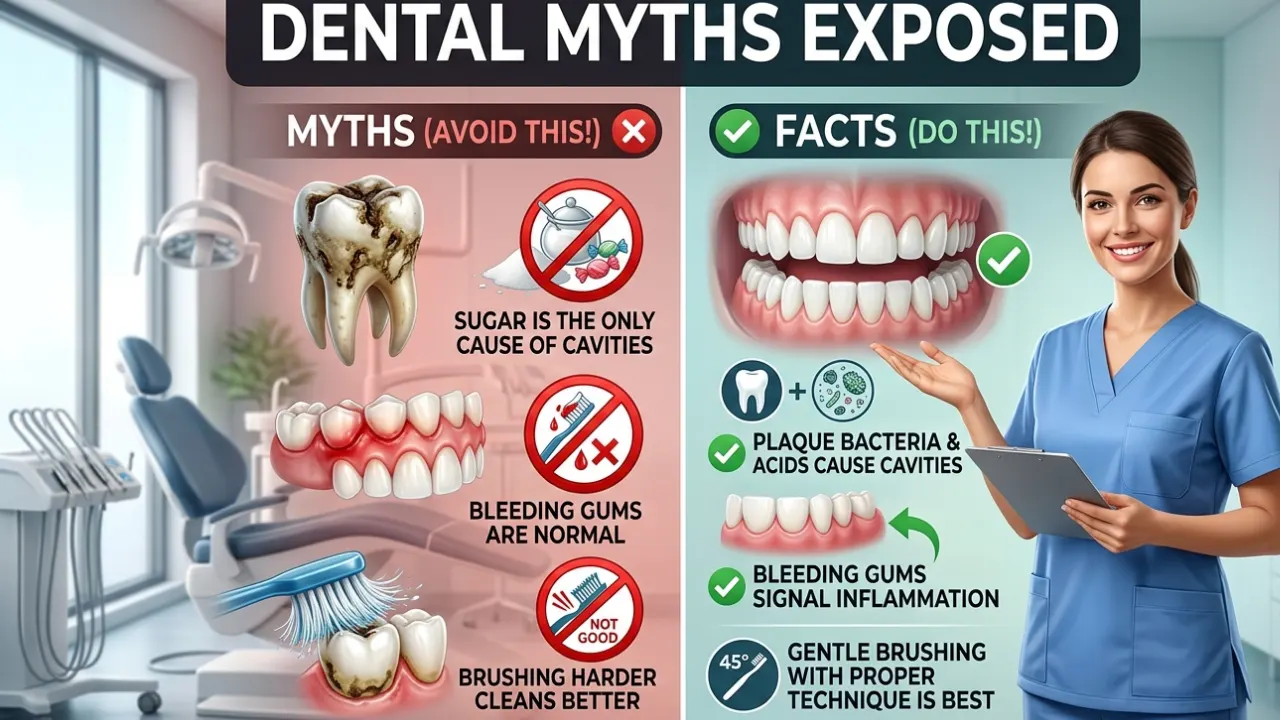
We have a full article dedicated to this topic: dental myths you were always told that are simply not true. Here are the biggest ones:
Myth: Bleeding gums means I should stop flossing. Fact: Bleeding gums mean you need to floss MORE, not less. The bleeding is from inflamed gums that have not been cleaned there. It usually stops within two weeks of consistent flossing.
Myth: Whiter teeth are healthier teeth. Fact: Tooth color and tooth health are two different things. You can have perfectly white teeth with serious gum disease. Natural teeth are not white — they are off-white or slightly yellow. That is completely normal and healthy.
Myth: Sugar directly rots your teeth. Fact: Sugar itself does not rot teeth. The bacteria in your mouth eat the sugar and produce acid. That acid is what damages enamel. Even sugar-free acidic drinks can damage teeth.
Myth: If it does not hurt, my teeth are fine. Fact: Most dental problems — including gum disease and early cavities — cause no pain until they are advanced. Pain is a very late warning sign.
Myth: Baby teeth do not matter because they fall out anyway. Fact: Baby teeth hold space for adult teeth. They also affect speech development, chewing, and self-confidence. They absolutely matter.
Myth: Mouthwash is enough — I do not need to floss. Fact: Mouthwash cannot reach between teeth or below the gum line effectively. It is no substitute for flossing.
Final Thoughts
If I had to summarize everything in this guide into a few sentences, it would be this:
Your oral health is about more than brushing. It is about the entire ecosystem in your mouth. When that ecosystem is healthy, your teeth stay strong, your gums stay firm, your breath stays fresh, and your body is protected from a surprising number of serious diseases.
The good news is that improving your oral health is genuinely not that complicated or expensive. It requires consistency more than anything else. Brush properly. Floss every night. Feed your good bacteria and starve your bad ones. Drink water. See your dentist. Pay attention to the signs your mouth gives you.
And if you want to go deeper on any topic in this guide, here is where to go next: why brushing alone is not enough | what really causes bad breath | 7 signs your gums are unhealthy | oral probiotics vs mouthwash | best oral health supplements 2026 | Provadent review 2026.
Your mouth is trying to stay healthy. Give it the right conditions and it will.
The Lost SuperFoods Review: Worth Buying in 2026?
Updated for 2026 | This article is for educational purposes. Always consult a qualified dental professional for personal advice.