Introduction
Nearly half of all adults in the United States have some form of gum disease — but most of them have no idea it could be putting their heart at risk. According to the Centers for Disease Control and Prevention (CDC), about 47% of adults aged 30 and older have mild, moderate, or severe periodontal disease.
The link between oral health and heart health is one of the most important — and most overlooked — health connections you can know about. Most people think brushing their teeth is just about having a bright smile. But your mouth is actually a window into your whole body.
Research from organizations like the American Heart Association and the Mayo Clinic has shown that people with poor oral health, especially gum disease, face a higher risk of serious heart problems. Taking care of your teeth and gums is about much more than fresh breath.
In this article, you will learn why oral health and overall health are deeply connected, what the science says, what warning signs to look for, and what simple steps you can take starting today.
Quick Answer
How does oral health affect heart health?
Poor oral health — especially gum disease — allows harmful bacteria from the mouth to enter the bloodstream. These bacteria can trigger inflammation throughout the body, including in the arteries. This chronic inflammation is linked to a higher risk of heart disease, stroke, and other cardiovascular problems.
The Hidden Connection Between Your Mouth and Your Body
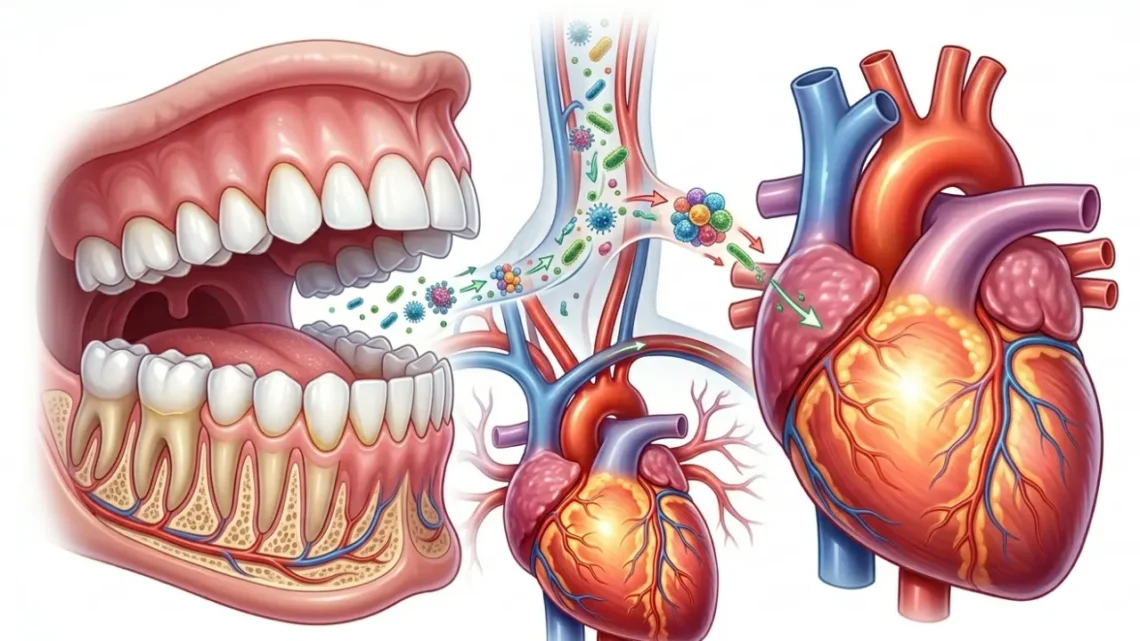
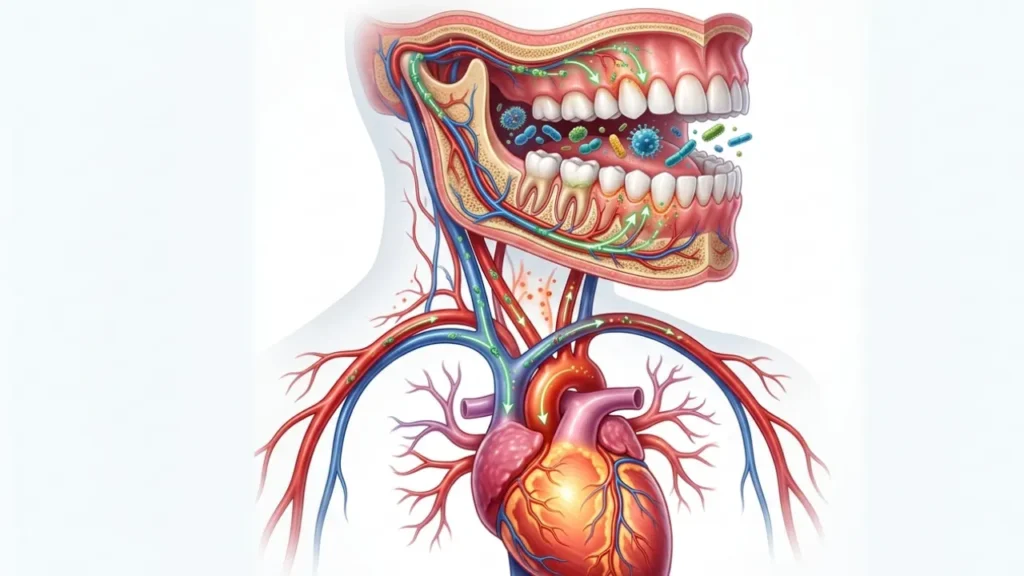
Your mouth is the entry point for bacteria into the rest of your body. When the gums are inflamed or infected, bacteria can pass into the bloodstream and travel to organs including the heart. This is why oral health affects your whole body, not just your teeth.
The Mouth as the Gateway to the Body
The mouth is full of bacteria — most of it harmless. But when harmful bacteria build up due to poor brushing or flossing, they form plaque on the teeth and gums. Over time, plaque hardens into tartar, which irritates the gum tissue.
Healthy gums act as a barrier. But when gums are inflamed, that barrier breaks down. Bacteria and the toxins they produce can then slip into your bloodstream through tiny openings in the gum tissue.
How Bacteria Enter the Bloodstream
Even simple activities like chewing food or brushing teeth can push oral bacteria into the blood when gums are unhealthy. Once in the bloodstream, these bacteria can travel to distant parts of the body. The heart, kidneys, and lungs are all potential destinations.
The American Dental Association (ADA) notes that this process — called bacteremia — is more frequent and more severe in people with active gum disease.
Why Inflammation Matters
Inflammation is the body’s natural defense against infection. But when the body is constantly fighting off bacteria from the mouth, that inflammation can become chronic. Chronic inflammation damages blood vessels and is considered one of the main drivers of cardiovascular disease.
The connection between oral bacteria and heart disease is largely driven by this long-term inflammatory response.
How Gum Disease Can Affect Heart Health
Gum disease creates a state of ongoing inflammation in the body. This puts extra stress on the cardiovascular system and raises the risk of heart disease, blocked arteries, and heart attack. The more severe the gum disease, the higher the potential risk.
What Is Gingivitis?
Gingivitis is the mildest form of gum disease. It causes redness, swelling, and bleeding in the gums — especially when brushing. Gingivitis is reversible with proper dental care and good brushing habits.
If left untreated, gingivitis can progress to a more serious condition called periodontitis.
What Is Periodontitis?
Periodontitis is advanced gum disease. The infection goes deeper, damaging the bone and tissue that hold teeth in place. Teeth may loosen or fall out. The infection also releases far more bacteria and inflammatory chemicals into the bloodstream.
The Mayo Clinic describes periodontitis as a serious gum infection that can damage the jawbone and has been linked to increased risk of systemic diseases.
Chronic Inflammation and Cardiovascular Risk
Periodontitis causes the body to produce large amounts of inflammatory proteins, including C-reactive protein (CRP). High levels of CRP are a well-known marker for cardiovascular disease risk.
When the arteries are exposed to these inflammatory signals over a long period of time, they can become narrowed and hardened — a condition known as atherosclerosis. This is one of the leading causes of heart attacks and strokes.
Oral Bacteria and the Heart
Some researchers have found traces of oral bacteria, including Streptococcus and Porphyromonas gingivalis, inside arterial plaques removed from heart patients. This suggests that oral bacteria may directly contribute to the buildup that clogs arteries.
While more research is needed, the evidence strongly suggests that taking care of your gums could help protect your heart.
What Research Says About Oral Health and Heart Disease
Multiple studies from major health organizations have found a strong association between gum disease and heart disease. While researchers are still exploring whether the relationship is direct or indirect, the link is well established and taken seriously by medical professionals.
What Major Organizations Say
The American Heart Association (AHA) has acknowledged a significant association between periodontal disease and cardiovascular disease. In a scientific statement, the AHA noted that while the relationship is plausible, more research is still needed to confirm that treating gum disease directly reduces heart risk.
The National Institutes of Health (NIH) has funded multiple studies looking at the relationship between oral inflammation and systemic diseases. Their research supports the idea that oral health is a key part of overall health.
The Mayo Clinic states that some research suggests that heart disease, clogged arteries, and stroke might be linked to inflammation and infections caused by oral bacteria.
Correlation vs. Causation
It is important to be honest about what the science shows. Most studies show a correlation — meaning people with gum disease are more likely to have heart disease. But correlation does not always mean one causes the other.
Both conditions share common risk factors, including smoking, poor diet, diabetes, and a sedentary lifestyle. These shared factors may partly explain the connection.
That said, even after controlling for these risk factors, many studies still find an independent link between periodontal disease and cardiovascular risk. The relationship is real, even if scientists are still working out the exact mechanism.
Other Health Problems Linked to Poor Oral Health
Poor oral health has been connected to a wide range of serious conditions beyond heart disease. The same pathways — bacteria entering the bloodstream and chronic inflammation — may play a role in diabetes, stroke, respiratory infections, pregnancy complications, and even cognitive decline.
Diabetes
The relationship between diabetes and gum disease runs in both directions. High blood sugar makes it easier for infections — including gum infections — to take hold. At the same time, severe gum disease can make it harder to control blood sugar levels.
The CDC notes that people with diabetes are more susceptible to serious gum disease and that treating gum disease may help improve blood sugar control.
Stroke
Some research has found that people with periodontal disease face a higher risk of stroke. The same bacteria found in arterial plaques near the heart have also been found in blood clots associated with some types of strokes.
The connection is still being studied, but it suggests that oral bacteria may play a role in clot formation throughout the cardiovascular system.
Respiratory Infections
Bacteria from the mouth can be inhaled into the lungs. In people who are already vulnerable — such as older adults or those with weakened immune systems — this can contribute to pneumonia and other respiratory infections.
Research published in the Journal of Periodontology has suggested that people with gum disease may have a higher risk of respiratory disease.
Pregnancy Complications
Pregnant women with severe gum disease have been shown in several studies to have a higher risk of preterm birth and low birth weight. The inflammatory chemicals triggered by periodontitis may affect fetal development.
The American Dental Association recommends that pregnant women maintain regular dental care as part of healthy prenatal care.
Alzheimer’s Disease
Emerging research has found a possible link between oral bacteria — particularly Porphyromonas gingivalis — and Alzheimer’s disease. Some studies have detected this bacterium in the brain tissue of Alzheimer’s patients.
This research is still in early stages and should not be taken as definitive. However, it adds to the growing body of evidence that oral health may affect brain health over time.
Warning Signs Your Oral Health May Be Affecting Your Body
If you notice any of these signs, your gum health may be putting your overall health at risk. Many of these symptoms are painless at first, which is why they are easy to ignore. Early detection and treatment are key.
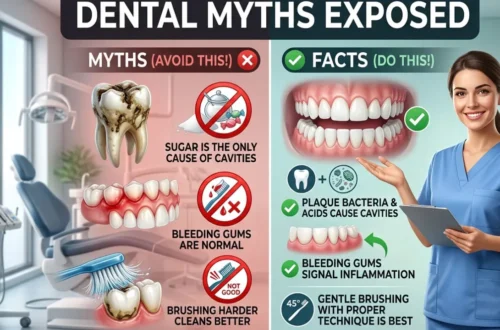
- Bleeding gums — Gums that bleed when brushing or flossing are a classic early sign of gum disease, even if there is no pain.
- Persistent bad breath — Chronic bad breath that does not go away with brushing may signal a bacterial infection in the gums.
- Swollen or puffy gums — Healthy gums are firm and pale pink. Swollen, red, or tender gums suggest inflammation.
- Receding gums — If your teeth look longer than they used to, your gums may be pulling back due to infection.
- Loose teeth — Advanced gum disease can destroy the bone that anchors teeth, making them feel loose or shift.
- Chronic inflammation — Frequent mouth sores, gum pain, or a feeling of general oral discomfort can be signs of ongoing bacterial activity.
- Pus between teeth and gums — This is a sign of active infection that needs immediate dental attention.
If you experience any of these warning signs, schedule a dental appointment as soon as possible. Do not wait until the symptoms become painful.
The Ultimate Guide to a Healthy Mouth and Oral Health
How to Protect Both Your Mouth and Heart

The good news is that the same habits that protect your gums also support your heart and overall health. These steps are simple, affordable, and proven to work. Consistency is what matters most.
1. Brush Properly — Twice a Day
Brush your teeth for at least two minutes, twice a day, using a soft-bristled toothbrush and fluoride toothpaste. Brushing removes the plaque that causes gum disease before it has a chance to harden.
The ADA recommends replacing your toothbrush every three to four months, or sooner if the bristles look worn.
2. Floss Every Day
Flossing removes plaque and food particles from between the teeth and along the gumline — areas a toothbrush cannot reach. Daily flossing is one of the most effective ways to prevent gum disease.
If you find regular floss difficult, try floss picks or a water flosser.
3. See Your Dentist Regularly
Regular dental cleanings remove tartar buildup that cannot be removed by brushing alone. Most adults should visit a dentist at least twice a year for checkups and professional cleanings.
Early-stage gum disease is much easier — and less expensive — to treat than advanced periodontitis.
4. Eat a Heart- and Gum-Healthy Diet
A diet rich in fruits, vegetables, whole grains, and lean protein supports both gum health and heart health. Reduce your intake of sugar and refined carbohydrates, which feed the bacteria that cause tooth decay and gum disease.
Foods high in vitamin C, like citrus fruits and bell peppers, help support healthy gum tissue.
5. Quit Smoking
Smoking is one of the strongest risk factors for both gum disease and heart disease. Smokers are twice as likely to develop gum disease as non-smokers. Quitting smoking is one of the single best things you can do for your oral and cardiovascular health.
Your dentist and doctor can help you find a plan to quit.
6. Manage Diabetes
If you have diabetes, keeping your blood sugar under control reduces your risk of gum infections and helps your gums heal when they are treated. Work closely with both your dentist and your doctor to manage this connection.
7. Stay Hydrated
Drinking enough water helps wash away food particles and bacteria in the mouth. It also supports saliva production — and saliva is the mouth’s natural defense against harmful bacteria.
Frequently Asked Questions
Can gum disease cause heart disease?
Research shows a strong association between gum disease and heart disease, but scientists have not yet confirmed a direct cause-and-effect relationship. The most likely explanation is that the bacteria and inflammation from gum disease contribute to the same processes that damage arteries and increase heart risk. Treating gum disease is a smart preventive step.
How does oral bacteria affect the heart?
Bacteria from infected gums can enter the bloodstream and travel to the heart and blood vessels. Once there, they may trigger inflammation or attach to damaged heart valves. Certain oral bacteria, such as Streptococcus, have been found inside arterial plaques in heart patients.
Can improving oral health lower heart risks?
There is growing evidence that treating gum disease reduces systemic inflammation, including levels of C-reactive protein, a marker for cardiovascular risk. While no study has yet proven that dental treatment directly prevents heart attacks, reducing inflammation throughout the body is generally beneficial for heart health.
What are the first signs of gum disease?
The first signs of gum disease include gums that bleed easily when brushing, slight redness or swelling, and persistent bad breath. In the early stage (gingivitis), these symptoms are often painless and may go unnoticed. Regular dental checkups can catch gum disease before it progresses.
How often should I visit a dentist?
Most adults should see a dentist at least twice a year for a cleaning and checkup. If you already have gum disease, your dentist may recommend visits every three to four months. People with diabetes, smokers, or those with a history of heart disease may need more frequent care.
Is the link between oral health and heart disease proven?
The link is well established as a strong statistical association. Multiple large studies have found that people with gum disease have higher rates of heart disease. However, scientists are still researching whether the relationship is directly causal or partly explained by shared risk factors such as smoking and poor diet.
What is the difference between gingivitis and periodontitis?
Gingivitis is mild gum inflammation caused by plaque buildup. It is reversible with good oral hygiene. Periodontitis is a more serious infection that damages the bone and tissue supporting the teeth. Periodontitis is much harder to treat and has stronger links to systemic health problems including heart disease.
Can children get gum disease?
Gum disease is less common in children, but it can occur. Gingivitis affects some children, especially those who do not brush and floss regularly. Teaching good oral hygiene habits early helps protect both dental and overall health for life.
Does mouthwash help prevent gum disease?
An antibacterial mouthwash can help reduce bacteria and plaque in the mouth, especially when used alongside brushing and flossing. However, mouthwash should not replace brushing and flossing. Look for products that carry the ADA Seal of Acceptance for proven effectiveness.
What should I do if I notice my gums are bleeding?
Bleeding gums should not be ignored, even if they do not hurt. Schedule a dental appointment to have your gums evaluated. In the meantime, continue brushing and flossing gently — stopping these habits when gums bleed can actually make gum disease worse.
Key Takeaways
- Oral health and heart health are closely connected. Bacteria and inflammation from gum disease can travel through the bloodstream and affect the cardiovascular system.
- Gum disease is very common but largely preventable. Nearly half of American adults have some form of periodontal disease, yet it is highly treatable when caught early.
- Chronic inflammation is the main link. Both gum disease and heart disease involve and are worsened by long-term, low-grade inflammation in the body.
- Other conditions are also connected to oral health, including diabetes, stroke, respiratory infections, and pregnancy complications.
- Warning signs are often painless. Bleeding gums, bad breath, and swollen gums can signal serious problems even when there is no pain.
- Simple daily habits make a big difference. Brushing twice a day, flossing daily, and seeing your dentist regularly can reduce gum disease risk and support overall health.
- Shared risk factors matter. Smoking, poor diet, and uncontrolled diabetes increase both gum disease risk and heart disease risk — addressing these benefits your whole body.
Conclusion
Your mouth is not separate from the rest of your body. It is the starting point for bacteria that can travel to your heart, lungs, and beyond. The connection between oral health and overall health is well-supported by research and recognized by leading organizations including the American Dental Association, the American Heart Association, the CDC, and the Mayo Clinic.
The good news is that protecting your oral health does not require expensive treatments or complicated routines. Brushing properly, flossing daily, and seeing your dentist regularly are habits that take just a few minutes a day — but they can have a lasting impact on your heart, your health, and your quality of life.
Start small. Pick one habit to improve today. Your mouth — and your heart — will thank you.
Sources
- American Dental Association (ADA) — https://www.ada.org — Oral hygiene guidelines and gum disease information
- Centers for Disease Control and Prevention (CDC) — https://www.cdc.gov/oralhealth — Oral health statistics and public health guidance
- Mayo Clinic — https://www.mayoclinic.org — Clinical explanations of the oral-systemic health connection
- American Heart Association (AHA) — https://www.heart.org — Cardiovascular risk and periodontal disease research
- National Institutes of Health (NIH) — https://www.nih.gov — Peer-reviewed research on oral and systemic health