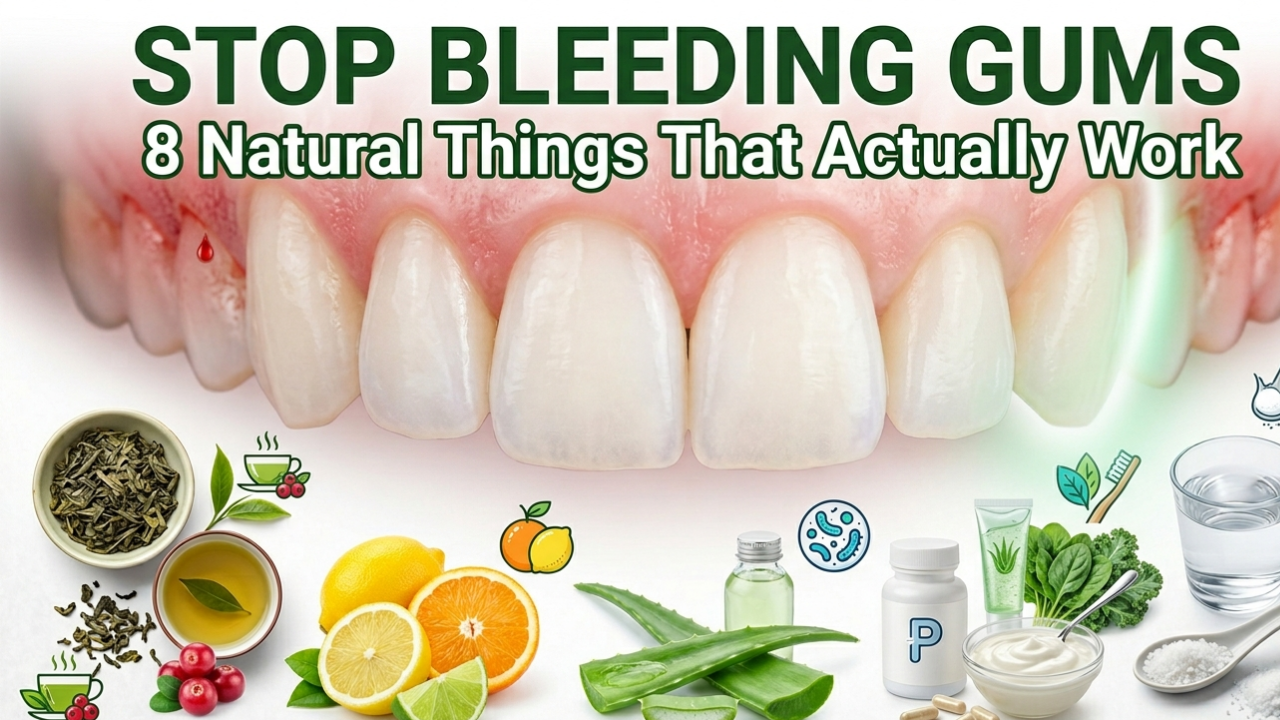
If your gums bleed when you brush — you are not brushing too hard.
That is the first thing most people get wrong. They see blood, they brush more gently, they avoid flossing, and they hope it goes away on its own.
It does not go away on its own. It gets worse.
Bleeding gums are not a minor inconvenience. They are your mouth’s way of telling you that something is already wrong underneath the surface. Specifically — your gum tissue is inflamed, infected with harmful bacteria, and actively fighting an infection you cannot see.
The good news is that at the early stage — called gingivitis — bleeding gums are completely reversible. You do not need surgery. You do not need expensive treatments. You need the right approach, applied consistently.
This article covers 8 natural things that have real evidence behind them. Not home remedies passed around the internet. Actual approaches that work — explained simply and honestly.
Why Your Gums Are Bleeding — The Real Reason
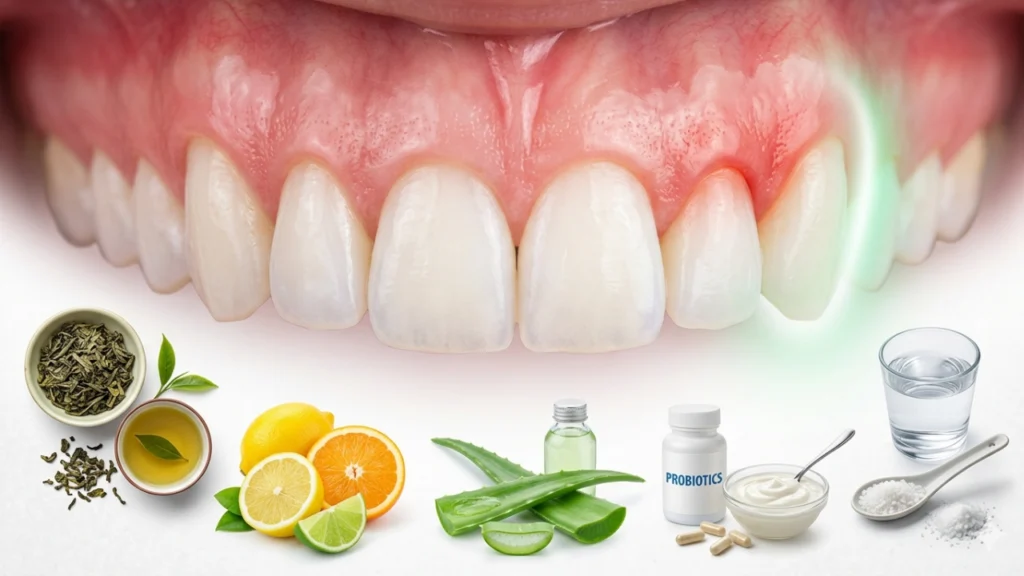
Your gums bleed for one primary reason.
Bacteria.
Specifically, harmful bacteria that build up along your gumline in a sticky film called plaque. When plaque is not removed regularly, it irritates gum tissue. Your immune system detects the bacterial threat and sends blood flow and white blood cells to the area to fight the infection.
That increased blood flow is why inflamed gums bleed so easily. The tissue is swollen, engorged with blood, and fragile. The lightest touch — a toothbrush bristle, a piece of food, a finger — breaks the surface and causes bleeding.
This is called gingivitis — the earliest and fully reversible stage of gum disease.
If gingivitis is not addressed, the infection deepens. It moves below the gumline. It reaches the bone. At that point it is called periodontitis — and that stage causes permanent bone loss that cannot be reversed without professional intervention.
The window to fix this naturally is while it is still gingivitis. That window is right now.
1. Fix Your Flossing — The Single Most Important Step
If you are not flossing — this is your problem. Full stop.
Your toothbrush cleans three of the five surfaces of each tooth. The two surfaces between teeth — where teeth touch each other — are completely unreachable by any toothbrush, electric or manual. That is where plaque sits undisturbed, irritating your gums every single day.
Most people who have bleeding gums are either not flossing at all or flossing occasionally. The bacteria between your teeth are the primary driver of gum inflammation in the majority of cases.
Here is the part that confuses people. When you start flossing consistently after a gap, your gums bleed more at first — not less. This makes people think flossing is making things worse. It is not. The bleeding is coming from tissue that was already inflamed before you started. It is not caused by flossing. It is revealed by flossing.
With consistent daily flossing, that bleeding reduces dramatically within 7 to 14 days in most people. The gum tissue becomes less inflamed, firmer, and stops bleeding.
How to floss correctly:
Use about 18 inches of floss. Wind most of it around your middle fingers — not your index fingers — so you have clean sections to work with as you move from tooth to tooth. Slide it gently between teeth. Do not snap it down hard against your gum. Curve it into a C-shape around each tooth and slide it just below the gumline — about 1 millimeter. Move it up and down gently against the tooth surface.
Do this every night. Within two weeks your gums will look and feel different.
2. Switch to a Soft-Bristled Brush and Fix Your Technique
Medium and hard-bristled toothbrushes do not clean better than soft ones. They just damage more.
Hard bristles traumatize gum tissue with every brush. Over time they push gums away from teeth — causing recession that cannot grow back. They also do not reach below the gumline where bacteria actually cause problems. They just scrub the surface more aggressively.
A soft-bristled toothbrush used correctly does everything a hard brush does — without the damage.
The right brushing technique:
Hold the brush at a 45-degree angle toward your gumline — not perpendicular to your teeth. This angle allows the bristles to just slide under the edge of the gum where plaque accumulates. Use small circular or gentle back-and-forth motions. Two minutes total. Do not press hard — let the bristles do the work.
If you use an electric toothbrush — which studies consistently show outperforms manual brushing for plaque removal — hold it at the same angle and let it do the movement. Do not scrub with it.
Brushing correctly twice a day with a soft brush removes significantly more gum-irritating plaque than aggressive brushing with a hard brush.
3. Saltwater Rinse — Simple But Genuinely Effective
This one has been used for thousands of years. And it actually works.
Salt is a natural antimicrobial. More importantly, saltwater creates an osmotic environment that reduces fluid buildup in inflamed tissue — directly reducing the swelling that makes gums bleed easily.
A 2016 study published in the Journal of Indian Society of Periodontology found that saltwater rinses reduced gingival inflammation scores significantly over a two-week period — comparable in some measures to chlorhexidine mouthwash but without the side effects.
How to do it:
Half a teaspoon of plain sea salt or table salt dissolved in a full glass of warm water. Swish gently for 30 seconds — do not gargle hard as this can further irritate inflamed tissue. Spit. Do not swallow.
Do this twice a day — morning and night — especially during active bleeding phases. It will not replace brushing and flossing but it genuinely reduces inflammation and helps create an environment less hospitable to harmful bacteria.
One important note — do not use saltwater as your only rinse long-term. Salt is mildly acidic at high concentrations and prolonged use can potentially affect enamel. Use it as a therapeutic rinse during flare-ups rather than a permanent daily substitute for other oral care.
4. Oil Pulling — The Overhyped Remedy With Some Real Evidence
Oil pulling divides opinion in dentistry. Some practitioners dismiss it completely. Some patients swear by it.
The truth is somewhere in the middle.
Oil pulling involves swishing a tablespoon of oil — traditionally sesame, but coconut oil is more popular today — around your mouth for 10 to 20 minutes. The theory is that oil binds to bacterial cell membranes and removes bacteria and toxins from oral surfaces.
What the evidence actually shows:
A randomized controlled trial published in the Journal of Oral Health and Community Dentistry found that sesame oil pulling significantly reduced plaque scores and gingival bleeding index after 45 days — comparable to chlorhexidine mouthwash. A separate study found coconut oil pulling reduced S. mutans counts in saliva after two weeks.
However — most oil pulling studies are small, short-term, and have methodological weaknesses. The evidence is promising but not conclusive. It is certainly not as strong as flossing, proper brushing, or professional cleaning.
The honest bottom line on oil pulling:
If you want to try it — 10 minutes with coconut oil after waking up before you eat or drink anything — it is safe, has some evidence behind it, and may provide a modest additional benefit. But do not use it as a substitute for mechanical cleaning. It is an add-on at best.
Do not swallow the oil — it contains the bacteria and debris you are trying to remove.
5. Vitamin C — The Deficiency Nobody Suspects
Here is something most people do not know.
One of the earliest and most consistent symptoms of Vitamin C deficiency is bleeding gums.
Vitamin C is essential for collagen synthesis — and your gum tissue is made largely of collagen. Without adequate Vitamin C, gum tissue becomes fragile, poorly maintained, and bleeds very easily. This happens at levels of deficiency that are below what most people would consider a clinical problem.
You do not need to be severely Vitamin C deficient for this to affect your gums. Borderline low intake — common in people who eat few fruits and vegetables — is enough to compromise gum tissue integrity.
A study published in Nutrients found that people with the lowest Vitamin C intake had significantly higher rates of gum bleeding even after controlling for other factors. Increasing Vitamin C intake in deficient individuals led to measurable improvements in gum health within weeks.
What to do:
The recommended daily intake is 65 to 90 mg for adults. Smokers need significantly more — up to 125 mg — because smoking depletes Vitamin C rapidly. Good food sources include bell peppers (more Vitamin C than oranges), citrus fruits, strawberries, broccoli, and kiwi.
If your diet is consistently low in these foods, a basic Vitamin C supplement — 500 mg daily — is inexpensive, safe, and may make a noticeable difference to your gum health within 4 to 6 weeks.
6. Turmeric Gel — The Anti-Inflammatory Spice With Dental Evidence
Turmeric is famous as an anti-inflammatory. The active compound — curcumin — has been studied extensively for its effects on inflammation across many conditions.
In dentistry specifically, turmeric gel applied to gum tissue has genuine clinical evidence behind it.
A randomized controlled trial published in the Journal of Indian Society of Periodontology compared 1% turmeric gel to chlorhexidine gel as a local antimicrobial treatment for gingivitis. Both groups showed significant improvements in plaque and gingival bleeding scores. The turmeric gel performed comparably to chlorhexidine — without the staining and taste side effects of chlorhexidine.
Another study found that turmeric mouthwash significantly reduced plaque index and gingival index scores over a 3-week period.
Curcumin works through multiple mechanisms relevant to gum health — it inhibits several inflammatory pathways (including NF-κB), has direct antimicrobial activity against key oral pathogens, and promotes tissue healing.
How to use it:
You can find 1% turmeric gel products at health stores or online — look specifically for oral/dental formulations rather than general skin products. Apply a small amount along the gumline with a clean finger or soft brush after your regular brushing routine.
Alternatively, you can make a simple paste with turmeric powder and coconut oil and apply it briefly to your gums — but be aware that turmeric stains fabric and can temporarily stain teeth and tongue. Rinse thoroughly after use.
7. Oral Probiotics — The Root Cause Solution
Everything else on this list helps manage the inflammation in your gums. Oral probiotics are the only approach that directly addresses the bacterial imbalance causing that inflammation in the first place.
Your gums bleed because harmful bacteria — Porphyromonas gingivalis, Fusobacterium nucleatum, Treponema denticola — have established themselves in your gum tissue and triggered a chronic immune response. Your body is constantly fighting them. The fight is what causes the inflammation. The inflammation is what causes the bleeding.
Specific oral probiotic strains have shown remarkable evidence for gum health:
Lactobacillus reuteri is the most studied strain for gum disease specifically. A meta-analysis published in the Journal of Periodontology analyzed multiple randomized controlled trials and found that L. reuteri supplementation significantly reduced gingival bleeding scores, reduced pocket depth measurements, and lowered counts of key periodontal pathogens — all beyond what professional cleaning alone achieved.
Lactobacillus salivarius produces natural bacteriocins that specifically target P. gingivalis — the primary bacteria behind gum disease progression.
Streptococcus salivarius K12 colonizes the tongue and throat, producing BLIS compounds that create a hostile environment for anaerobic bacteria throughout the mouth.
The mechanism is elegant. Rather than killing everything with an antiseptic, you introduce beneficial bacteria that compete directly with the harmful species causing your gum inflammation. Over time — typically 4 to 8 weeks of consistent use — the balance shifts. Harmful bacterial populations decrease. Gum inflammation reduces. Bleeding stops.
How to use oral probiotics for bleeding gums:
Use lozenges or chewable tablets — not swallowed capsules. You need the bacteria delivered to your oral tissue, not your digestive system. Take them at night after brushing and flossing so the beneficial strains have the entire night to colonize without being washed away by food and drink.
Products like Provadent combine these key strains in an oral-delivery format specifically designed for this purpose — making it a practical option for people who want to address the microbial root cause of their bleeding gums alongside their regular oral hygiene routine.
8. Green Tea — Drink Your Way to Healthier Gums
This one surprises people. But the evidence is real.
Green tea contains a powerful antioxidant called EGCG (epigallocatechin gallate) — one of the most studied polyphenols in nutrition research. EGCG has demonstrated significant anti-inflammatory and antimicrobial properties across dozens of studies.
For gum health specifically:
A large study involving nearly 1,000 Japanese men found that those who drank green tea regularly had significantly lower rates of gum disease and gingival bleeding than non-drinkers. For each additional cup of green tea consumed daily, there was a measurable reduction in key gum health indicators.
A clinical trial published in the Journal of Periodontology found that green tea catechins reduced the levels of P. gingivalis — the main gum disease bacteria — in periodontal pockets. Another study found green tea rinsing reduced inflammatory markers in gum tissue measurably over 4 weeks.
EGCG appears to work through multiple mechanisms — directly inhibiting bacterial growth and virulence, reducing the inflammatory cytokines that cause tissue damage in gum disease, and supporting the immune response in gum tissue.
How to use it:
Two to three cups of unsweetened green tea daily provides meaningful amounts of EGCG. Brew it properly — 80°C water (not boiling) for 2 to 3 minutes to preserve the catechin content. Let it cool slightly before drinking. Do not add sugar.
Green tea extract supplements and green tea mouthwashes are also available for people who do not enjoy drinking tea — though the whole tea beverage has additional benefits beyond just EGCG content.
Avoid drinking it immediately after brushing at night — the mild acidity of tea can slightly soften enamel if you are drinking it and going straight to bed. Drink it with or after meals.
The Ultimate Guide to a Healthy Mouth and Oral Health
The Complete Plan — How to Put It All Together
If you are serious about stopping bleeding gums naturally, here is a practical daily plan combining the most evidence-backed elements above.
Morning routine:
- Oil pull with coconut oil for 10 minutes if you choose to include it — before eating or drinking
- Brush with a soft-bristled toothbrush at 45 degrees for 2 full minutes
- Saltwater rinse for 30 seconds
During the day:
- Drink 2 to 3 cups of unsweetened green tea with or after meals
- Stay well hydrated — dry mouth allows harmful bacteria to multiply faster
Evening routine:
- Floss every single tooth — this is non-negotiable
- Brush again for 2 minutes
- Apply turmeric gel to gumline if using it
- Take oral probiotic lozenge — let it dissolve slowly in the mouth after all other oral care is done
Daily supplement:
- Vitamin C — 500 mg if your diet is low in fruits and vegetables
Professional:
- Book a dental cleaning if you have not had one in the last 6 months — no home routine replaces professional removal of calcified tartar
If you follow this plan consistently for 4 weeks, your gums will look and feel dramatically different. The bleeding will reduce. The redness will fade. The puffiness will go down.
Most people see noticeable improvement within 2 weeks just from daily flossing and saltwater rinsing alone. Adding the other elements accelerates results significantly.
When Natural Approaches Are Not Enough
These 8 approaches work for gingivitis — the reversible early stage of gum disease.
If you have been doing everything right for 4 to 6 weeks and your gums are still bleeding — or if you have any of the following symptoms — you need professional care, not more home remedies:
- Gums that have pulled away from your teeth
- Teeth that feel loose or have shifted
- Persistent bad breath that does not improve with any home care
- Pain when chewing
- Pus between teeth and gums
- Significant swelling that does not reduce
These are signs of periodontitis — advanced gum disease with bone loss involved. At this stage, a professional deep cleaning called scaling and root planing is required. In severe cases, surgical intervention may be needed.
Natural approaches are powerful at the gingivitis stage. They are supportive tools at the periodontitis stage — not replacements for professional treatment.
Frequently Asked Questions
How long does it take for bleeding gums to stop with natural treatment? With consistent daily flossing and proper brushing, most people see significant reduction in bleeding within 7 to 14 days. Adding oral probiotics and saltwater rinses can accelerate this. Full resolution of gingivitis typically takes 3 to 4 weeks of consistent care.
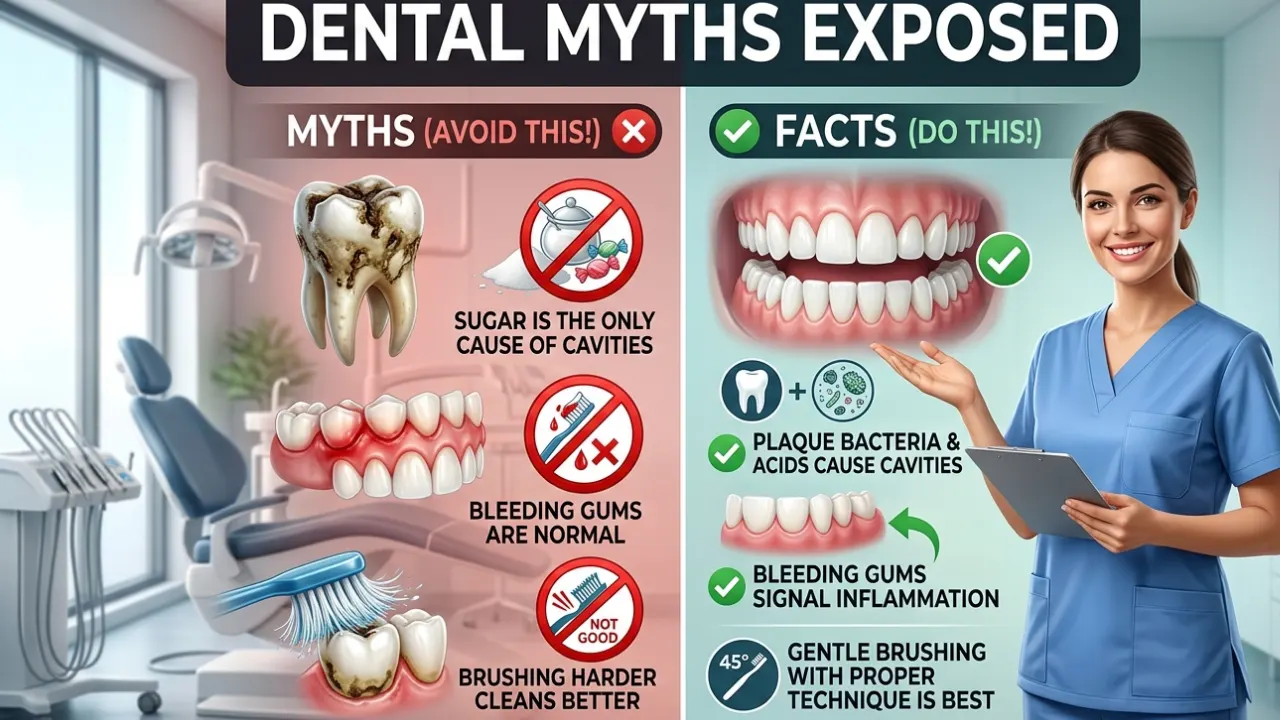
Is it normal for gums to bleed every time I brush? No. Healthy gums do not bleed. Regular bleeding when brushing is always a sign of inflammation — even if it has been happening for years and feels normal to you.
Can bleeding gums heal without going to the dentist? Gingivitis — the early stage — can fully resolve with excellent home care alone. However if you have not had a professional cleaning in over 6 months, the tartar buildup on your teeth cannot be removed at home. A professional cleaning combined with improved home care is the most effective approach.
Does vitamin deficiency cause bleeding gums? Yes. Vitamin C deficiency is strongly linked to gum bleeding and fragile gum tissue. Vitamin K deficiency can also affect blood clotting and contribute to bleeding. If your gums bleed despite good oral hygiene, checking your Vitamin C intake is a sensible step.
Can stress cause bleeding gums? Indirectly yes. Chronic stress suppresses immune function — making your body less effective at fighting the bacterial infection driving gum inflammation. Stress also increases cortisol, which promotes systemic inflammation. People under high chronic stress tend to have worse gum health outcomes.
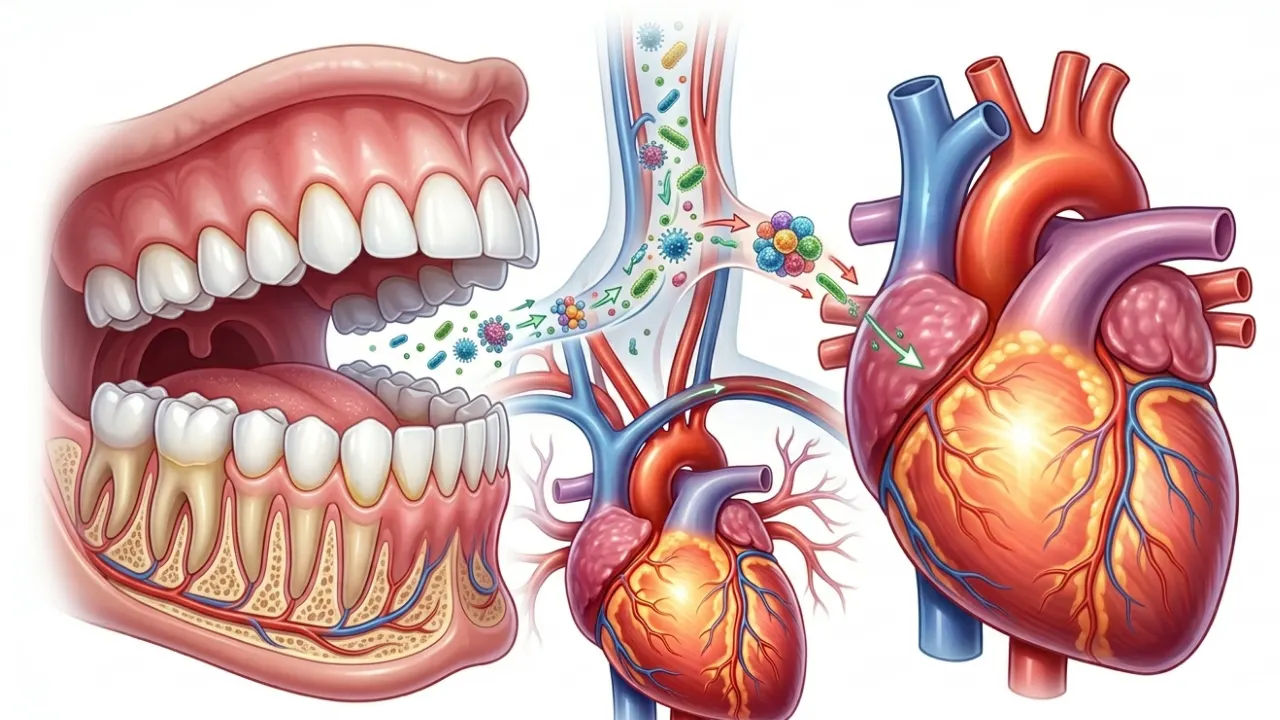
Is bleeding gums linked to heart disease? Research consistently shows a strong association between gum disease and cardiovascular disease. The same bacteria driving gum inflammation — particularly P. gingivalis — have been found in arterial plaque. Treating gum disease is increasingly viewed as part of overall cardiovascular health management.
Should I stop brushing if my gums bleed? Never. Stopping brushing allows more plaque to accumulate which makes the inflammation — and bleeding — worse. Brush gently with a soft brush. The bleeding reduces as the inflammation resolves over days to weeks of proper care.
The Bottom Line
Bleeding gums are not something to ignore. They are not normal. And they are not something that fixes itself.
But they are absolutely something you can address naturally — if you use the right approaches consistently.
Floss every day. Brush correctly with a soft brush. Rinse with saltwater. Consider turmeric gel and green tea for their anti-inflammatory effects. Check your Vitamin C intake. Try oil pulling as an add-on. And most importantly — use oral probiotics to address the bacterial imbalance that is driving your gum inflammation in the first place.
Your gums can go from bleeding and inflamed to firm and healthy in as little as 2 to 4 weeks with the right approach.
The only thing that does not work is doing nothing.
This article is for informational purposes only and does not constitute personalized dental or medical advice. Please consult a licensed dentist if your symptoms persist or worsen.