If you brush twice a day, floss regularly, and still deal with bad breath, bleeding gums, or tooth sensitivity — you are not doing anything wrong. You are just missing the part of your mouth that your toothbrush cannot reach.
The reason is simple: your mouth is not just teeth and gums. It is a living ecosystem of over 700 species of bacteria, fungi, and viruses — collectively called the oral microbiome. And your toothbrush, no matter how good it is, only addresses about 25% of your oral surface area.
The other 75%? That is where the real problem lives.
What Is the Oral Microbiome?
Your oral microbiome is the community of microorganisms that lives in your mouth — on your tongue, between your teeth, deep in your gum pockets, on your cheeks, and in your saliva. Some of these bacteria are essential. They help break down food, protect your enamel, and even support your immune system.
But when the balance tips — a condition called oral dysbiosis — harmful bacterial species begin to dominate. This is when problems start.
The key harmful players include:
- Porphyromonas gingivalis — the primary driver of gum disease (periodontitis)
- Streptococcus mutans — the main bacteria responsible for tooth decay and cavities
- Fusobacterium nucleatum — linked to deep gum infections and even colorectal cancer
- Treponema denticola — a spiral-shaped bacterium associated with advanced periodontitis
Here is what most people do not realize: these bacteria do not float freely in your mouth. They organize into highly structured colonies called biofilm — better known as plaque. Inside biofilm, bacteria are up to 1,000 times more resistant to antimicrobial agents than when they are free-floating. Your toothpaste cannot penetrate it. Mouthwash only scratches the surface.
What Brushing Actually Does (And What It Doesn’t)
Brushing is important. Nobody is saying stop brushing. But let us be honest about what it actually accomplishes.
What brushing does well:
- Removes food debris from tooth surfaces
- Disrupts soft plaque that has formed on visible tooth faces
- Delivers fluoride to strengthen enamel
- Stimulates gum tissue mildly
What brushing cannot do:
- Reach bacteria living 3–5mm deep inside gum pockets
- Break apart mature, hardened biofilm (that requires professional scaling)
- Restore the balance of your oral microbiome
- Eliminate anaerobic bacteria that thrive in low-oxygen environments — exactly where your brush cannot go
- Address bacteria on the back of your tongue, tonsils, and throat, which are major sources of volatile sulfur compounds (the actual cause of chronic bad breath)
A landmark study published in the Journal of Clinical Periodontology confirmed that even perfect brushing and flossing technique reduces oral bacteria by only about 60% — and that reduction is temporary. Within two hours, bacterial colonies begin repopulating.
This is not a failure of effort. It is a limitation of the tool.
The Gum Pocket Problem Nobody Talks About
Your gums form a seal around each tooth. In a healthy mouth, that seal is tight — about 1 to 3 millimeters deep. But when harmful bacteria accumulate at the gumline, your immune system responds with inflammation. That inflammation causes the gum tissue to pull away slightly, creating deeper pockets — 4mm, 5mm, 6mm, and beyond.
Inside these pockets, oxygen levels drop dramatically. And in low-oxygen environments, the most destructive bacteria in your mouth thrive — specifically the gram-negative anaerobes like P. gingivalis and T. denticola.
Your toothbrush bristles reach approximately 1 to 2 millimeters below the gumline on a good day. The bacteria causing your gum inflammation are often sitting 3 to 6 millimeters below it.
This is why so many people brush diligently for years and still get the same feedback at the dentist: “Your gums are inflamed. You need to floss more.” The flossing helps, but it still does not address the microbial imbalance driving the inflammation in the first place.
The Ultimate Guide to a Healthy Mouth and Oral Health (2026)
Why Bad Breath Comes Back Every Single Day
Chronic bad breath — clinically called halitosis — affects approximately 1 in 4 people globally. Most people blame it on food. Dentists know better.
The real cause of persistent bad breath is the metabolic activity of anaerobic bacteria breaking down proteins and producing volatile sulfur compounds (VSCs) — primarily hydrogen sulfide, methyl mercaptan, and dimethyl sulfide. These gases smell like rotten eggs, old garbage, and sulfur.
The bacteria producing these compounds live primarily:
- Deep in the grooves of your tongue (the tongue coat)
- Below the gumline in periodontal pockets
- In the tonsil crypts at the back of your throat
Brushing your teeth addresses none of these locations effectively. Mouthwash temporarily masks VSCs but does not eliminate the bacteria producing them. Within 30–60 minutes of rinsing, production resumes.
The only lasting solution is changing the microbial environment — reducing the populations of harmful bacteria and supporting the beneficial species that naturally suppress them.
The Science of Oral Probiotics — A New Frontier
Here is where modern dentistry is shifting its thinking dramatically.
For decades, the oral health approach was purely mechanical and antimicrobial: brush, floss, rinse with antibacterial mouthwash, repeat. The problem with this approach is that broad-spectrum antimicrobials do not discriminate. They kill harmful bacteria, yes — but they also kill the beneficial bacteria that keep harmful species in check. It is like burning down a forest to kill invasive weeds.
The emerging science of oral probiotics takes a fundamentally different approach: instead of trying to kill everything, you reintroduce beneficial bacterial strains that compete with harmful species, crowd them out, and restore a healthier microbial balance.
Key probiotic strains that have shown promise in peer-reviewed research include:
Lactobacillus reuteri — Shown in multiple clinical trials to significantly reduce P. gingivalis levels and decrease gingival bleeding scores. A 2020 meta-analysis in the Journal of Periodontology found that L. reuteri supplementation led to measurable improvements in gum health beyond standard mechanical cleaning alone.
Lactobacillus salivarius — Produces bacteriocins (natural antimicrobial compounds) that specifically target Streptococcus mutans, the primary cavity-causing bacteria, without disrupting the broader microbiome.
Streptococcus salivarius K12 — Perhaps the most studied oral probiotic strain for bad breath. It colonizes the tongue and throat, directly competing with VSC-producing bacteria. Clinical studies have shown it can reduce bad breath scores by up to 85% in consistent users.
Bifidobacterium lactis — Supports the immune response in gum tissue and helps reduce inflammatory cytokine activity — meaning less gum inflammation even in the presence of some bacterial load.
These are not supplements pulled from a general health store shelf. These are specific strains, studied specifically in oral environments, showing specific clinical outcomes.
What Happens When Your Oral Microbiome Is Out of Balance
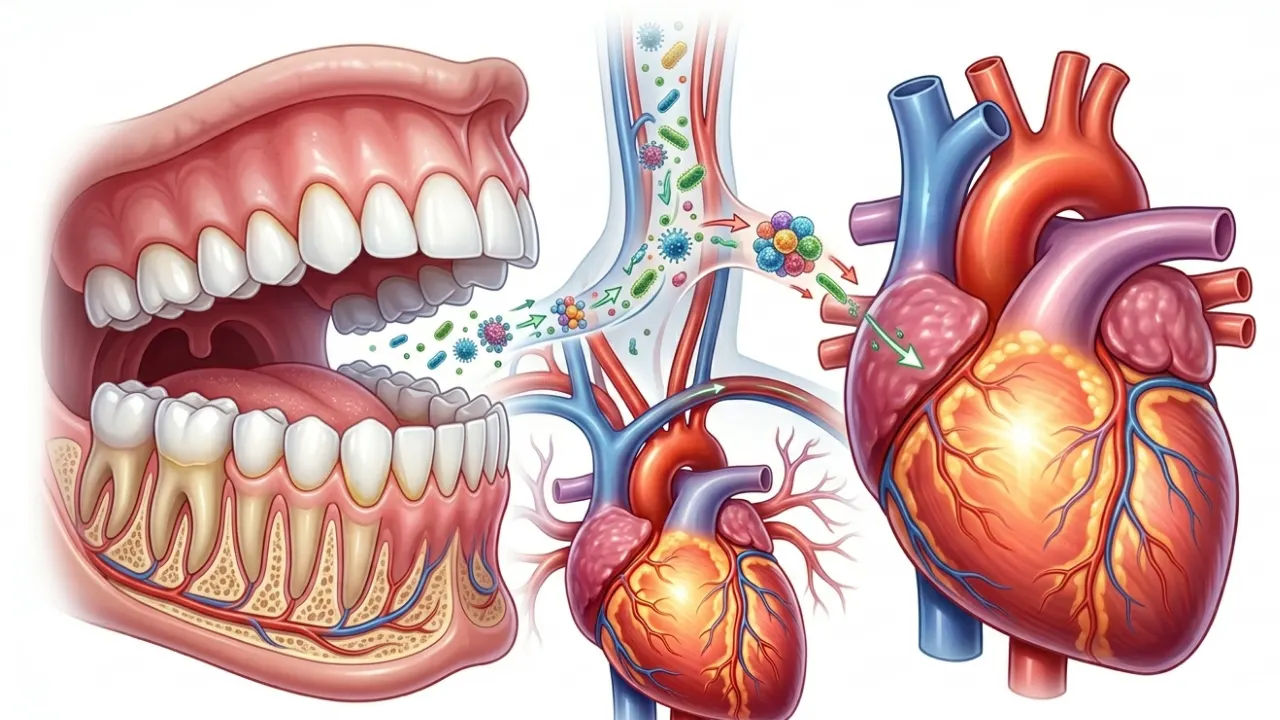
The consequences of oral dysbiosis extend far beyond your mouth. Your oral cavity is the entry point to your entire body, and the bacteria living there — when the wrong ones dominate — can travel.
Research now firmly links poor oral microbiome health to:
Cardiovascular disease — P. gingivalis has been found in arterial plaque. The same bacteria causing your gum disease may be contributing to atherosclerosis.
Diabetes — The relationship is bidirectional. High blood sugar promotes harmful oral bacteria growth; chronic oral infection raises blood sugar through systemic inflammation.
Alzheimer’s disease — A 2019 study published in Science Advances identified P. gingivalis and its toxic enzymes (gingipains) in the brain tissue of Alzheimer’s patients — a finding that has significantly shifted research into the disease’s origins.
Preterm birth — Pregnant women with untreated gum disease have significantly higher rates of preterm and low-birthweight deliveries.
Respiratory infections — Oral bacteria aspirated into the lungs have been linked to pneumonia, particularly in elderly populations.
Your mouth is not isolated from your body. What lives in it matters systemically.
A Complete Oral Health Protocol for 2026
As a dentist, here is what I recommend to patients who want to go beyond the basics:
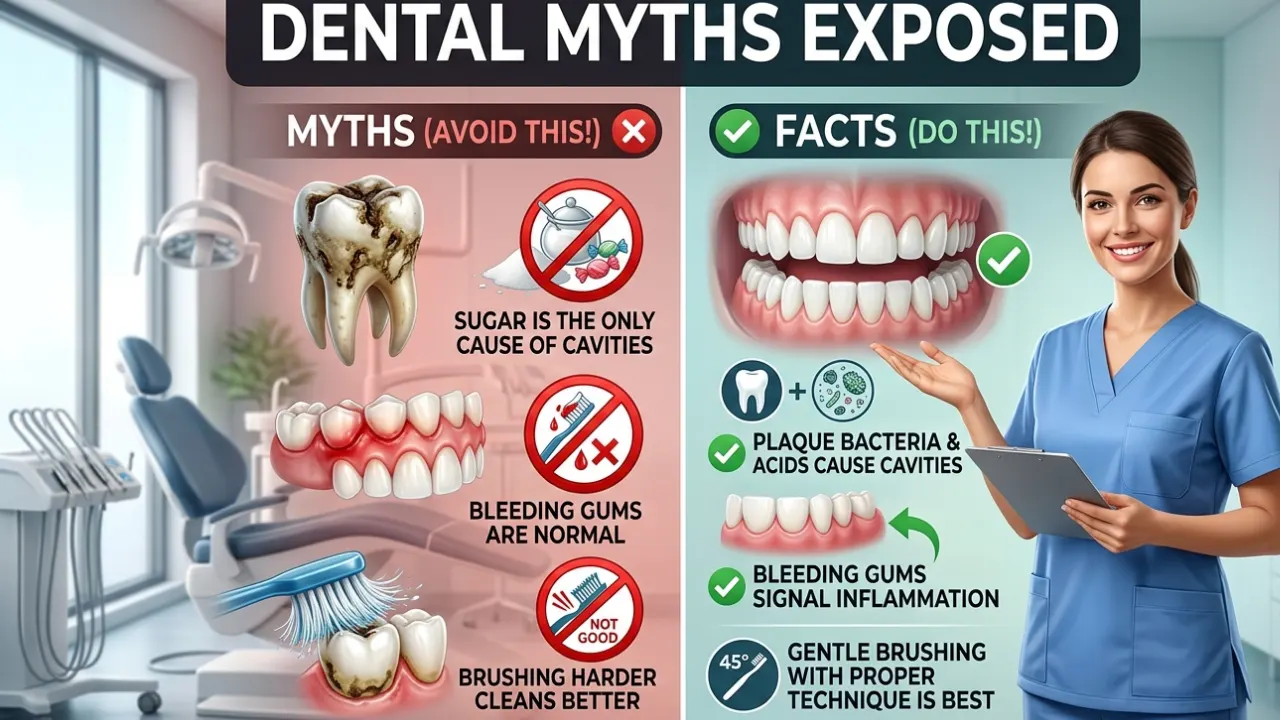
Step 1 — Brush properly, not just frequently. Use a soft-bristled brush at a 45-degree angle to the gumline. Two minutes, twice daily. Electric brushes outperform manual brushes in clinical studies for plaque removal.
Step 2 — Floss or use an interdental brush daily. This removes debris and disrupts plaque between teeth where brushing cannot reach.
Step 3 — Tongue scrape every morning. The tongue coat is one of the largest reservoirs of VSC-producing bacteria in the mouth. A metal tongue scraper removes significantly more bacteria than tongue brushing.
Step 4 — Hydrate consistently. Saliva is your mouth’s natural defense system. It contains enzymes (lysozyme, lactoferrin, peroxidase) that suppress harmful bacteria. Chronic dehydration and dry mouth dramatically accelerate oral dysbiosis.
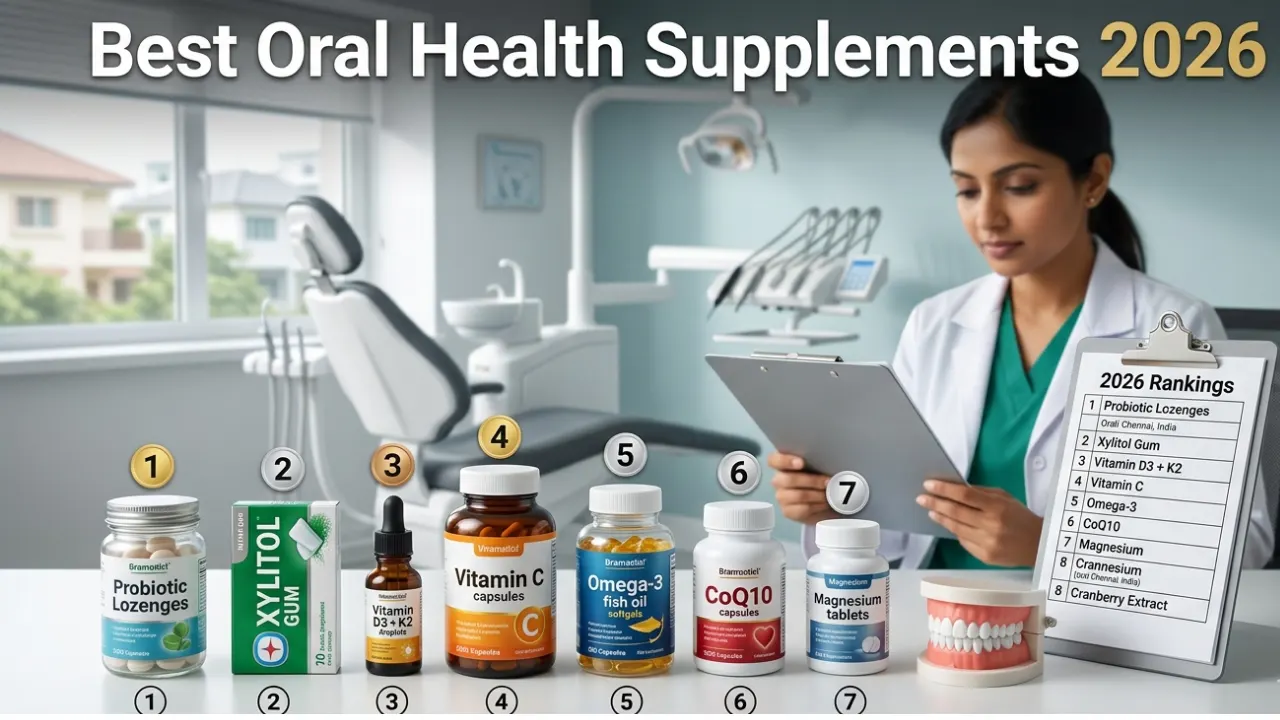
Step 5 — Support your oral microbiome with targeted probiotics. This is the step most oral care routines are still missing. Look for formulas containing the clinically studied strains mentioned above — specifically L. reuteri, S. salivarius K12, and L. salivarius.
Step 6 — See your dentist every 6 months. Professional scaling removes calcified biofilm that no home care routine can address.
Where Provadent Fits In
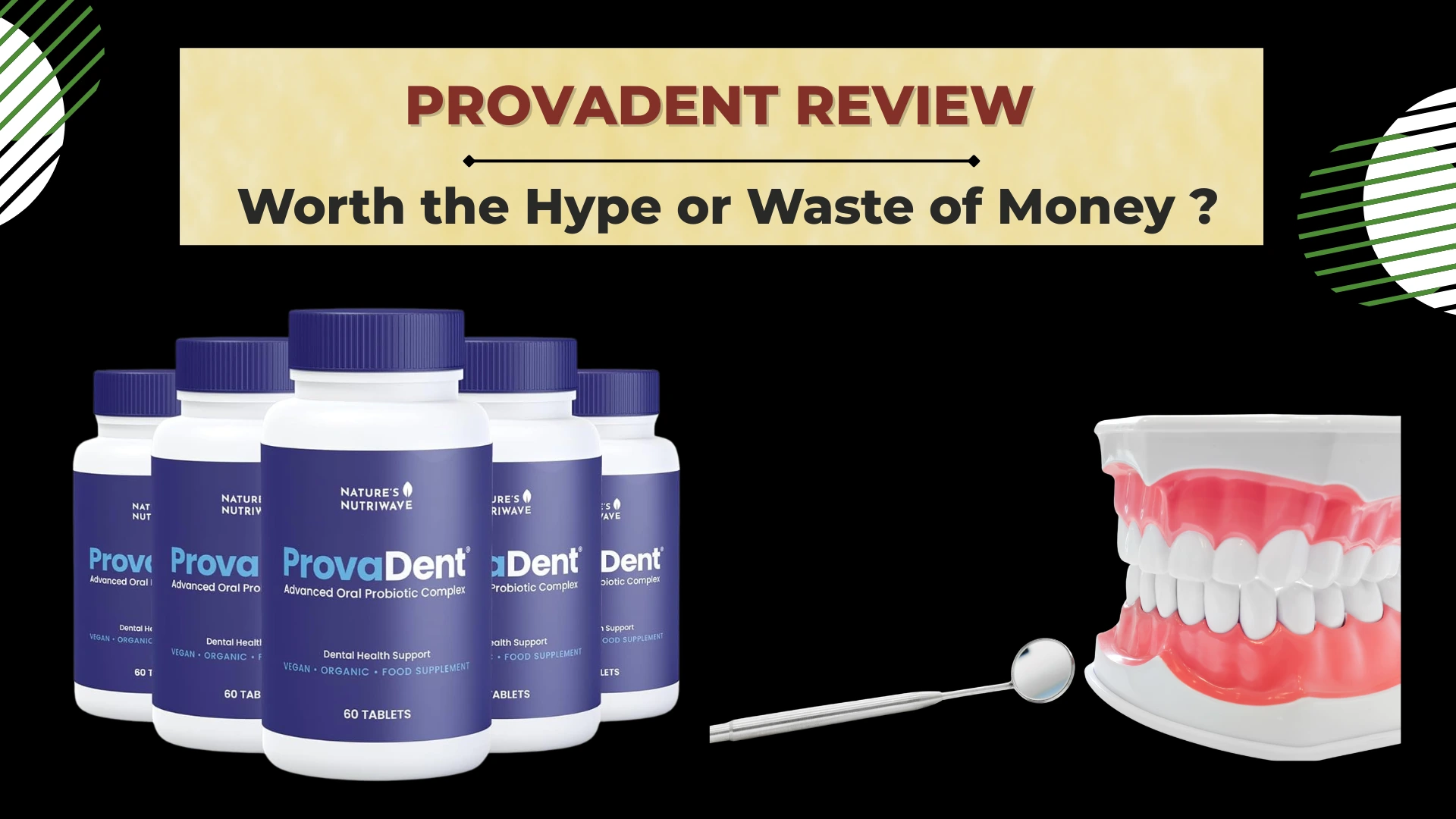
One product that has been gaining attention in the oral probiotic space is Provadent, a probiotic oral health supplement formulated specifically around the strains most supported by clinical research.
What distinguishes Provadent from generic probiotic supplements is its focus on the oral microbiome specifically — not gut health, not general immunity, but the specific bacterial environment of the mouth. It contains a blend of research-backed probiotic strains in a dissolvable form designed to colonize oral tissue rather than pass through the digestive system.
For patients who are doing everything right mechanically — brushing, flossing, rinsing — but still experiencing gum sensitivity, recurring bad breath, or early gum disease, addressing the microbiome directly is the logical next step.
Provadent is not a replacement for brushing, professional cleanings, or good oral hygiene. Think of it as the piece your current routine is missing — the biological layer that mechanical cleaning alone cannot provide.
Frequently Asked Questions
Can I have gum disease even if I brush twice a day? Yes. Brushing removes surface plaque but does not reach the anaerobic bacteria in gum pockets (3–6mm below the gumline) that drive gum disease. Gum disease is primarily a microbial imbalance, not a hygiene failure.
What causes bad breath even after brushing? Persistent bad breath is caused by volatile sulfur compounds produced by anaerobic bacteria on the tongue, below the gumline, and in the tonsils — areas your toothbrush does not effectively reach.
Are oral probiotics safe? Oral probiotics containing well-studied strains like L. reuteri, S. salivarius K12, and L. salivarius have strong safety profiles in clinical research. They are generally safe for healthy adults. Consult your dentist or physician if you are immunocompromised.
How long does it take for oral probiotics to work? Most clinical studies showing measurable improvements in gum inflammation and bad breath scores ran for 4 to 12 weeks of consistent supplementation. Results vary based on baseline oral health.
Does mouthwash help or hurt the oral microbiome? Antiseptic mouthwashes containing chlorhexidine or alcohol are broad-spectrum — they kill both harmful and beneficial bacteria. Daily use can actually disrupt healthy oral microbiome balance over time. Occasional use is fine; daily reliance is not ideal.
What is the oral microbiome and why does it matter? The oral microbiome is the community of microorganisms living in your mouth. When healthy bacteria dominate, they protect your teeth and gums. When harmful species take over (oral dysbiosis), the result is gum disease, cavities, bad breath, and systemic inflammation.
The Bottom Line
Brushing is essential. But it is the floor of good oral health, not the ceiling.
The bacteria causing your gum problems, your persistent bad breath, and your tooth sensitivity are not living where your toothbrush reaches. They are living in biofilms, gum pockets, and tongue coats — environments that mechanical cleaning was never designed to address.
The science is clear: a balanced oral microbiome is the foundation of long-term oral health. Supporting it with targeted probiotic strains is no longer fringe thinking — it is where evidence-based dentistry is heading.
If you have been doing everything right and still not getting the results you want, it is not your brushing technique that needs to change. It is your strategy.