
How to Reduce Air-Conditioning Costs Without Sacrificing Comfort
Air conditioning is often one of the biggest energy costs in summer. The good news is that you do not have to sit in a hot house to bring it down.
The best approach is to make your cooling system’s job easier. That means setting the thermostat sensibly, keeping the system clean, blocking heat before it enters, and fixing the things that let cool air escape. This guide covers each one.
It does not promise a fixed saving. Real results depend on your climate, your home, your equipment, and your energy prices.
Quick Answer: How to Reduce Air Conditioning Costs
- Raise your thermostat setting a few degrees when you are home, and more when you are away.
- Replace or clean air filters on schedule.
- Block sun and heat with shades, blinds, curtains, and outdoor shading.
- Maintain your system with regular cleaning and service.
- Cut heat gain by sealing leaks, improving insulation, and avoiding heat-producing activities at peak times.
- Use fans wisely to feel cooler at a higher temperature.
Start by Knowing Where Your Money Goes
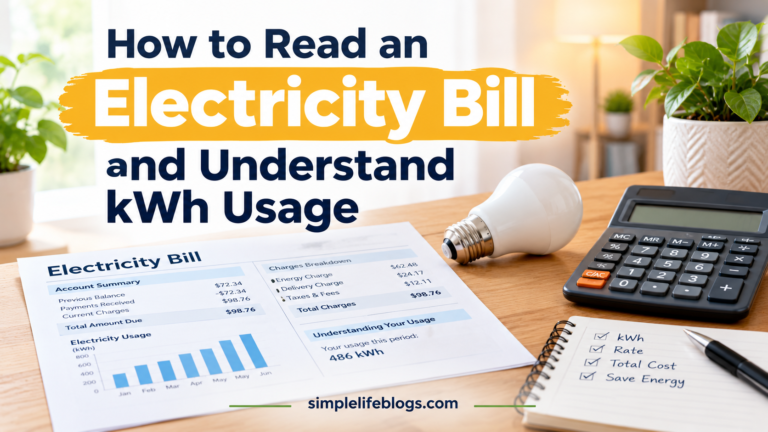
Before you change anything, look at your actual use. Your electricity bill shows how much energy you use each month and what you pay per kilowatt-hour. Our guide on how to read an electricity bill explains how to find those numbers.
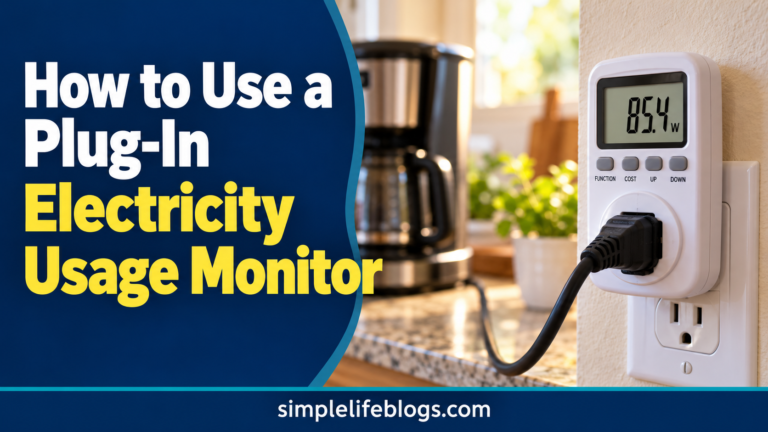
If you have a window unit, portable unit, or fan, you can estimate its cost with our appliance running cost calculator. For a more exact reading, see how to use a plug-in electricity usage monitor on plug-in appliances.
Knowing your starting point lets you check whether your changes help.
1. Use Smarter Thermostat Settings
The thermostat is the easiest place to start, because the setting directly decides how hard your system works.
Raise the Setpoint a Few Degrees
The U.S. Department of Energy suggests 78°F (about 26°C) as a reasonable setting when you are home and need cooling. A higher setpoint means a smaller gap between inside and outside temperatures, so the system runs less. Each household’s comfort level differs, so treat 78°F as a starting point, not a rule.
If that feels too warm at first, raise the setting one degree at a time over several days. Most people adapt gradually.
Set a Higher Temperature When You Are Away
Cooling an empty house wastes energy. Raise the setting when you leave for work or travel. Avoid turning the system fully off in very hot or humid weather, since a house that gets too hot can take a long time and a lot of energy to cool back down, and humidity can cause other problems.
Avoid Big Swings and Constant Overrides
Setting the thermostat very low to “cool the house faster” does not make it cool faster. The system runs at the same speed and just runs longer. Frequent manual changes can also undo any schedule you set.
Use a Schedule
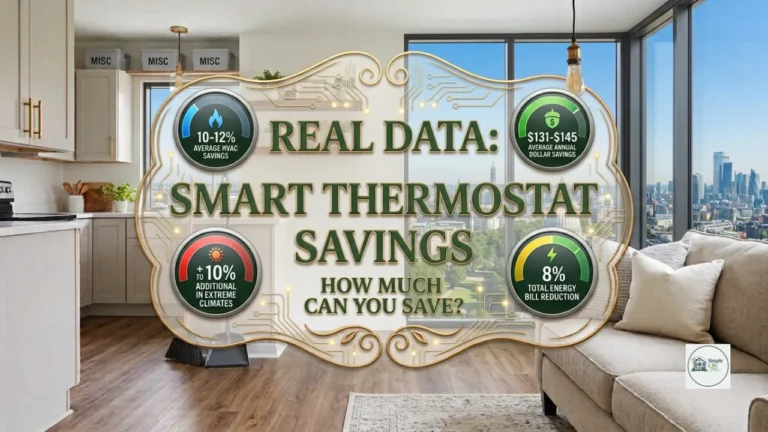
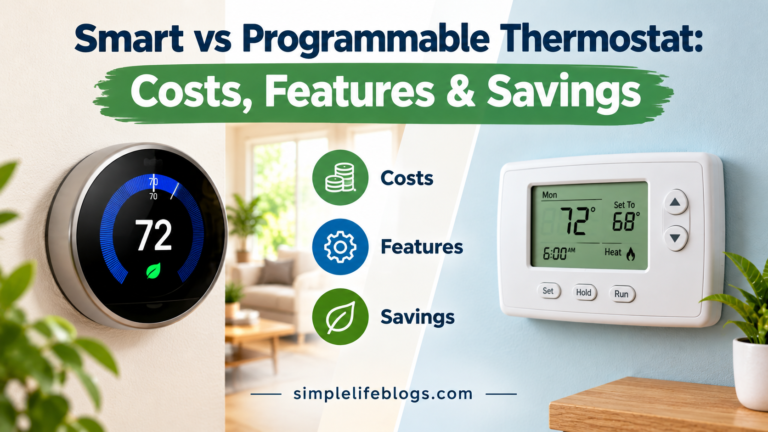
A programmable or smart thermostat can handle this for you. See our comparison of smart vs programmable thermostats to decide which suits your routine, and our smart thermostat guide for settings and savings.
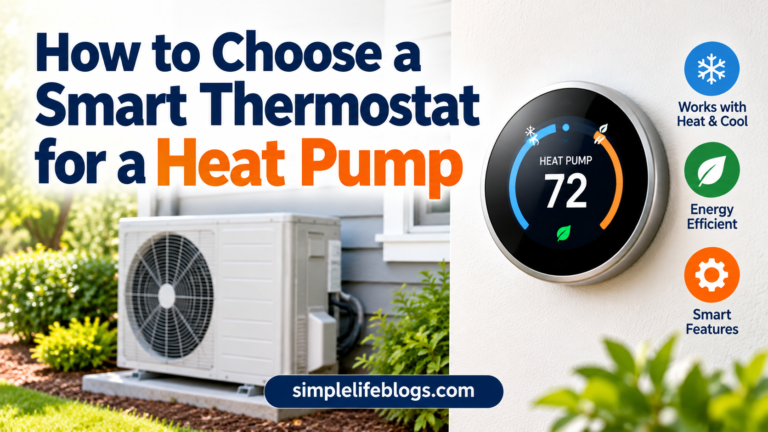
If you have a heat pump, check the manufacturer’s guidance before using large schedule changes. Our guide to choosing a smart thermostat for a heat pump explains what to verify.
Place the Thermostat Well
A thermostat in direct sunlight, near a heat source, or in a drafty spot reads the wrong temperature and can cause extra cooling. Keep it away from sun, lamps, kitchens, and vents.
2. Keep Air Filters Clean
A dirty filter restricts airflow. Your system then works harder to move air, and it may cool less evenly.
- Check the filter monthly in heavy-use months.
- Replace or clean it as the manufacturer recommends. Many disposable filters need replacement every one to three months, but it varies by filter type, pets, dust, and system use.
- Use the right size and type. Check the size printed on the filter frame. A very dense filter in a system not designed for it can also restrict airflow, so follow your system manufacturer’s guidance.
- Check window and portable units too. Many have washable filters that need regular cleaning.
This is one of the cheapest and quickest jobs on the list.
3. Block the Sun Before It Heats Your Home
Sunlight through windows turns into heat inside your home. The cooling system then has to remove it.
Interior Options
- Close blinds, shades, or curtains on sun-facing windows during the day.
- Use light-colored or reflective backing, which can reflect some heat back out.
- Try cellular shades, which add an air layer at the window.
Exterior Options
Blocking sun outside the window works better than blocking it inside, because the heat never reaches the glass.
- Awnings
- Exterior shutters
- Solar screens
- Trees or shrubs positioned to shade windows and walls, especially on the west and east sides
- Window film, which can reduce heat gain (check product details and any rules for your home)
Pay Attention to Orientation
West-facing windows often bring in strong afternoon sun, and east-facing windows bring morning sun. Prioritize the windows that get the most direct light.
Shade the Outdoor Unit Carefully
Some shade near an outdoor condenser can help, but never block airflow. Keep plants, fences, and debris clear of the unit, and follow your manufacturer’s clearance guidance.
4. Maintain Your Cooling System
A system in poor condition uses more energy and may cool less. Regular care helps it run as designed.
Basic Homeowner Tasks
- Replace filters as above.
- Keep the outdoor unit clear of leaves, grass, and debris.
- Keep vents and registers open and unblocked by furniture or rugs.
- Clear the condensate drain if the manual says you can, and watch for water leaks.
- Gently clean visible dust from vents and grilles.
Tasks for a Professional
A licensed HVAC technician can:
- Clean the evaporator and condenser coils
- Check refrigerant levels and look for leaks
- Check electrical connections and the thermostat
- Inspect the blower, fan, and drain
- Test airflow and overall performance
Annual service before the cooling season is a common recommendation. Refrigerant handling requires proper certification, so don’t try to add refrigerant yourself.
Check Your Ducts
Leaky or poorly insulated ducts, especially in attics, crawl spaces, and garages, can lose a lot of cooled air before it reaches your rooms. A professional can inspect and seal them. Follow local codes and the manufacturer’s instructions.
Know When It’s Time to Replace
An older, inefficient system can cost a lot to run. If your system is near the end of its life or needs frequent repairs, ask a licensed professional about efficient replacement options and any available rebates. Don’t make that decision on a single hot week.
5. Reduce Heat Gain in Your Home
Your AC has to remove every bit of heat that gets in. Reducing heat gain means less work for it.
Seal Air Leaks
Warm air sneaks in through gaps around windows, doors, attic hatches, pipes, and wiring. Use weatherstripping and caulk where appropriate to seal them.
Improve Insulation
Attic insulation matters most in many homes, since the roof gets very hot in summer. Check what level your area recommends and consult a qualified professional if you’re not sure. Insulation in walls and around ducts can help too.
Upgrade Windows When It Makes Sense
Replacing windows is expensive and often not the best first step. Start with shading, film, and sealing. Consider new windows if yours are old, damaged, or very inefficient.
Cut Indoor Heat Sources
Everyday activities add heat:
- Cooking: use a microwave, air fryer, or outdoor grill on hot days instead of the oven, and use the range hood fan.
- Laundry and dishwashing: run dryers and dishwashers in the evening or early morning, when it is cooler.
- Lighting: LED bulbs give off much less heat than old incandescent bulbs.
- Electronics: computers, TVs, and game consoles produce heat when in use.
- Idle devices: many devices use power even when off. See our guide to phantom power and standby electricity for how to find and reduce it.
Manage Humidity
High humidity makes a room feel warmer than the thermometer says. Using exhaust fans when you cook or shower, fixing leaks, and keeping the AC working properly help. In very humid climates, ask an HVAC professional about humidity control.
6. Use Fans and Airflow to Feel Cooler
Fans do not lower the temperature of a room. They move air across your skin, which helps you feel cooler.
- Use ceiling fans along with a slightly higher thermostat setting.
- Check the fan direction. In summer, most ceiling fans should turn counterclockwise (looking up), to push air down. Check your fan’s instructions.
- Turn fans off when you leave the room. They cool people, not spaces.
- Use window fans at night if outdoor air is cooler than indoors, and close the windows in the morning.
7. Cool Only the Spaces You Use
- Close doors and vents carefully in rooms you don’t use. In some duct systems, closing too many vents can affect airflow and pressure, so follow your HVAC professional’s advice.
- Use a window unit or portable unit for a single room only if it is sized correctly. An oversized unit cools too quickly and may not remove humidity well, and an undersized unit runs all the time.
- Consider zoning if some rooms are always too hot or too cold. A professional can explain what is possible in your home.
Quick Checklist
| Action | Typical Effort | Notes |
|---|---|---|
| Raise thermostat setting | Free | Adjust gradually |
| Set a schedule | Low | Use a programmable or smart thermostat |
| Replace or clean filters | Low | Follow the manufacturer’s schedule |
| Close blinds and curtains by day | Free | Focus on sun-facing windows |
| Add exterior shading | Low to moderate | More effective than interior shading |
| Seal leaks | Low to moderate | Weatherstripping, caulk |
| Annual HVAC service | Moderate | Hire a licensed professional |
| Seal and insulate ducts | Moderate | Professional help often best |
| Add attic insulation | Moderate to high | Check local recommendations |
| Reduce indoor heat sources | Free | Shift cooking and laundry times |
For a larger plan that covers heating, lighting, and appliances too, see our guide on making your home more energy efficient. To measure what your home really uses, see our home electricity use guide.
How Much Can You Save?
No single tip guarantees a set amount. Your savings depend on your climate, home design, insulation, equipment efficiency, electricity rate, and how you live.
A realistic way to think about it: small changes add up. A few degrees on the thermostat, a clean filter, shaded windows, and fewer heat sources can each reduce how long your system runs. To find out what works for you, compare your electricity bills and usage month to month and across similar weather.
Frequently Asked Questions
What is the best thermostat setting to save on air conditioning?
The U.S. Department of Energy suggests 78°F when you are home and need cooling, and a higher setting when you are away. Choose a temperature that is comfortable for you, and adjust it gradually.
Does turning the AC off when I leave save money?
Raising the setpoint while you are away usually saves energy. Turning it fully off can backfire in very hot or humid weather, since the system has to work hard to recover.
Does setting the thermostat lower cool the house faster?
No. The system cools at about the same rate either way. A lower setting just makes it run longer and can waste energy.
How often should I change my AC filter?
It depends on the filter type, your home, and your system. Many need replacing every one to three months. Check it monthly and follow the manufacturer’s instructions.
Do ceiling fans really reduce air conditioning costs?
They can, because moving air helps you feel cooler at a higher thermostat setting. Turn them off when no one is in the room.
Are blackout curtains or blinds worth it?
Closing curtains or blinds on sunny windows can reduce heat entering the home. Exterior shading usually works better than interior coverings.
Is it worth getting my AC serviced every year?
Regular service helps keep the system clean and working properly, and can catch problems early. Many professionals recommend servicing before the cooling season.
Can a smart thermostat lower my cooling bill?
It can help by automating a schedule and adjusting when you are away, but results vary. The savings come mostly from the settings and how you use them. See our smart vs programmable thermostat comparison for details.
Should I replace my old air conditioner?
Not necessarily. Start with maintenance, filter changes, and sealing and shading. If the system is very old, inefficient, or often breaks down, ask a licensed HVAC professional for advice.
Final Thoughts
Lower cooling costs come from two things: asking your system to do less, and helping it do its job well. Set the thermostat sensibly, keep filters and equipment clean, block the sun, and cut heat gain around the house.
Start with the free and low-cost steps, then move on to larger upgrades if they make sense for your home. When it comes to equipment work, wiring, or refrigerant, follow the manufacturer’s instructions and local building requirements, and hire a licensed professional.