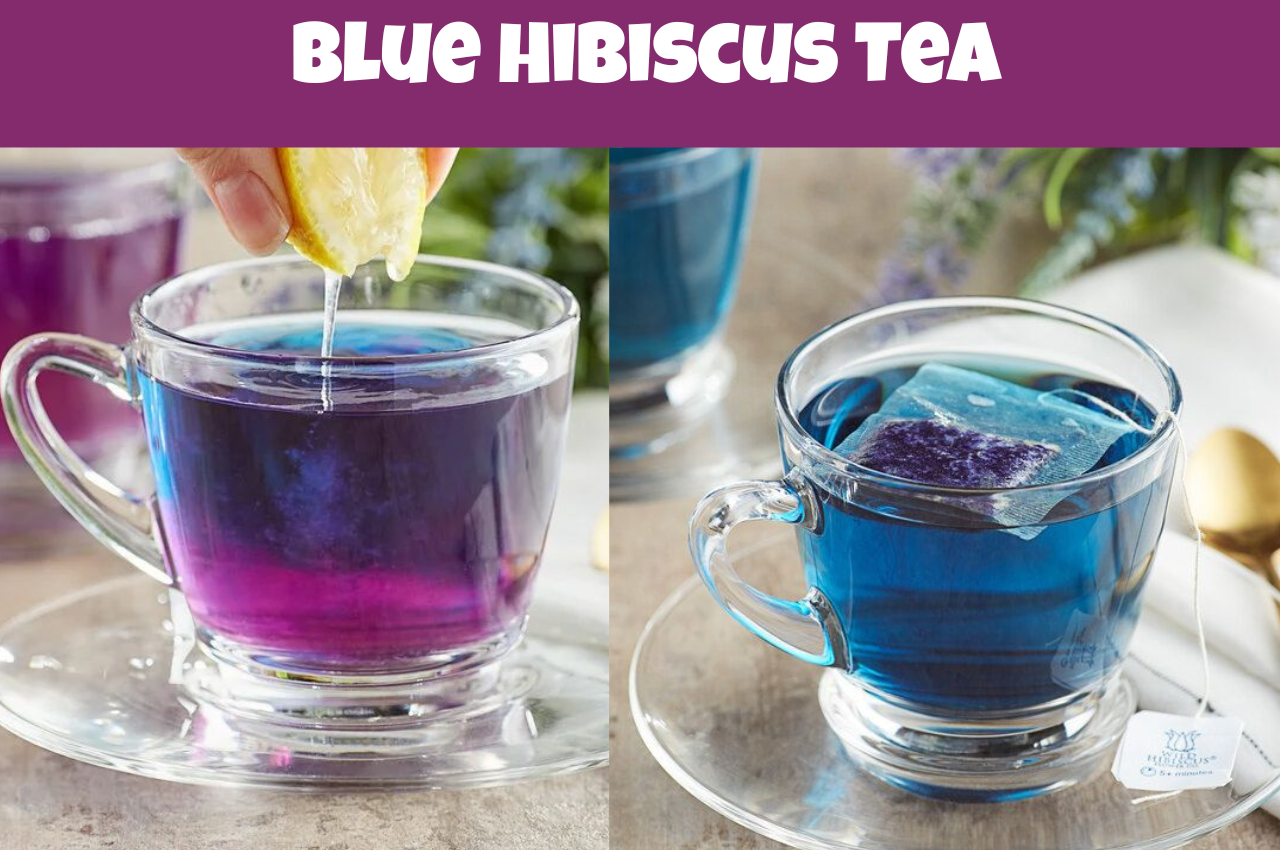
Blue hibiscus tea is known for its vibrant blue color and light, refreshing flavor. The drink gets its vibrant shade from butterfly pea flowers (Clitoria ternatea), often blended with hibiscus (Hibiscus sabdariffa) to create a tangy and colorful twist. When you squeeze in lemon, the drink turns from blue to purple or pink, like a magic trick.
This herbal tea naturally filled with antioxidants and caffeine-free; hot or iced, it’s a taste you’ll enjoy. It’s trendy in wellness circles for promoting better skin, heart health support and a fun, flavorful way to stay hydrated.
Why Blue Hibiscus Tea Is So Special
Blue hibiscus tea stands out because of its color and its nutrient profile.
Butterfly pea flowers bring the bright blue shade, while hibiscus adds a ruby-red depth and a tart edge. The instant the drink comes into contact with citrus, the anthocyanins react and change color.
What makes it unique:
- Rich in anthocyanins and vitamin C
- Low-calorie (almost zero per cup)
- Smooth and gentle on the stomach
- Completely caffeine-free
- Easy to brew hot or cold
These flowers grow best in warm, tropical climates. Many farms hand-pick the petals to keep the nutrients strong. Both loose leaf and tea bags work well, but organic options are best if you want to avoid pesticides.
A Quick Look at Its History
Hibiscus has been used since ancient Egypt. People drank it to stay cool during the hot weather. Butterfly pea flower has been used for many years in Ayurveda and Thai herbal medicine. It was believed to help with memory and clear thinking.
As people started trading more across countries, these flowers spread to many parts of the world. Today, cafés and drink makers use them because they change color naturally, which looks very beautiful. South Africa grows a lot of roselle (a type of hibiscus), and Thailand grows many butterfly pea flowers. These places supply most of the world. Fair Trade programs help make sure farmers are paid well and work in safe conditions.
How to Make Blue Hibiscus Tea (Easy Recipes)
Basic Hot Tea
- Boil 8 oz (1 cup) of water.
- Add 1 teaspoon of blue hibiscus blend.
- Steep for 5–10 minutes.
- Strain and sweeten lightly with honey if you like.
- Add a squeeze of lemon for the color-changing effect.
Iced Version
- Brew the tea double-strong.
- Chill in the fridge.
- Pour over ice with lemon slices, mint, or berries.
Extra Tips
- For a creamy version, pour frothed coconut or almond milk on top.
- For a spicy kick, add ginger.
- For a cooling taste, add fresh mint.
- Store dried flowers in an airtight jar away from sunlight to keep the deep blue color.
- For a pretty ombre drink, layer the blue tea over hibiscus syrup.
Health Benefits: Why Blue Hibiscus Tea Is Loved
Blue hibiscus tea is loaded with antioxidants that protect your body from everyday stress and damage.
1. Helps Lower Blood Pressure
Regular drinkers may see a drop of 7–10 points in systolic blood pressure. The flavonoids relax the blood vessels and promote better circulation.
2. Improves Cholesterol
Studies show increases in good HDL cholesterol and decreases in LDL and triglycerides within a month of daily use—especially helpful for people with diabetes.
3. Supports Liver Health
Animal studies show reduced fat buildup in the liver and lower signs of liver damage when hibiscus extracts are used consistently.
4. Reduces Inflammation
The anti-inflammatory compounds can ease joint discomfort, bloating, and mild stomach issues. Hibiscus also has antibacterial properties.
5. Boosts Skin and Immune Health
Vitamin C helps skin repair and strengthens immunity. Ternatins (from butterfly pea) may help reduce fine lines and protect skin from early aging.
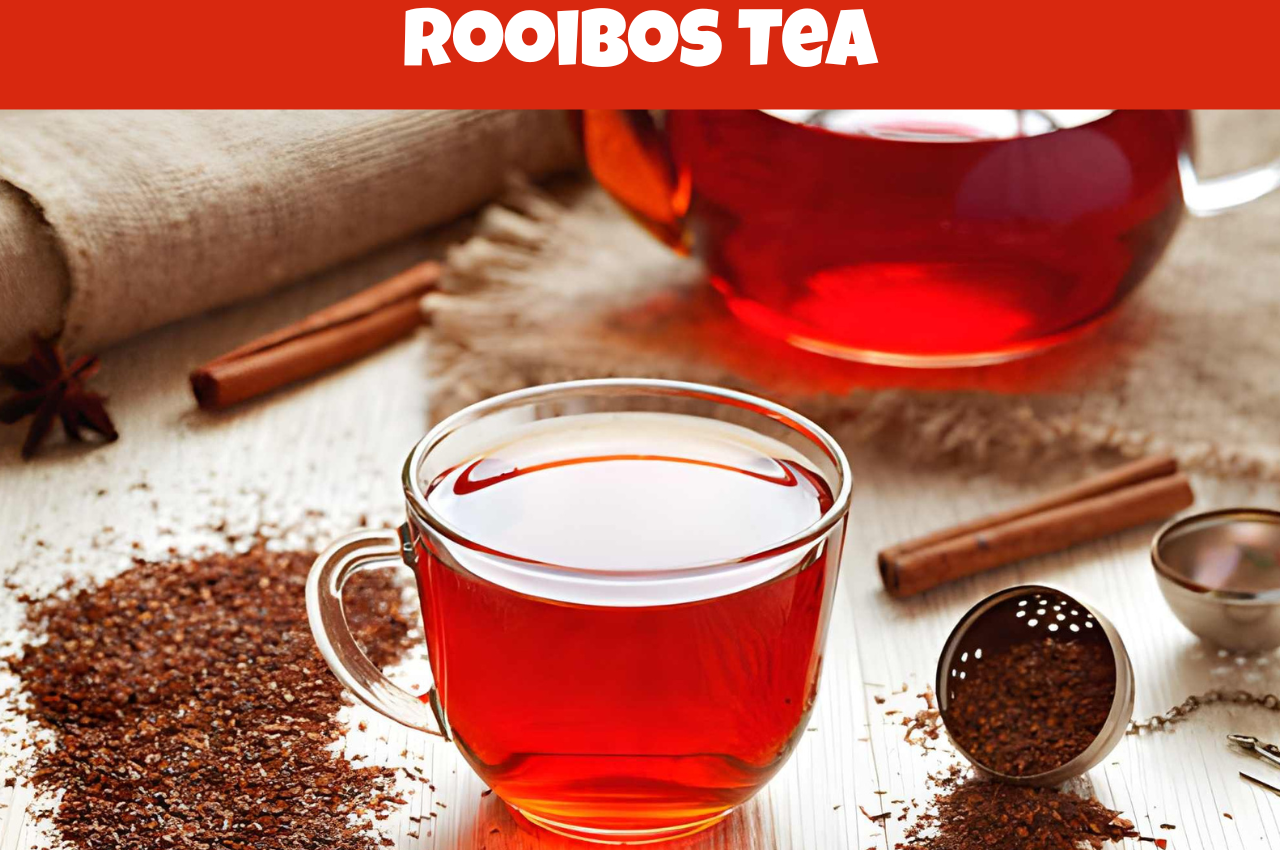
Rooibos Tea: Caffeine-Free Tea That Helps to Relax Naturally
Blue Hibiscus Tea for Weight Loss
Many people drink blue hibiscus tea to support weight goals. Here’s how it helps:
- Blocks enzymes (like alpha-amylase) that break down carbs into sugar
- Helps reduce appetite
- Supports metabolism
- Works as a natural diuretic to reduce water retention
- Replaces sugary drinks with a low-calorie option
In one study, people lost 2–3 BMI points over 12 weeks with daily hibiscus consumption. While it’s not a miracle cure, it does provide a gentle push toward weight control—especially when combined with healthy eating and daily walking.
Nutrition Snapshot: What’s in Each Cup
| Nutrient | Amount | Why It Helps |
| Calories | ~5 | Great for weight management |
| Vitamin C | 20–30% DV | Boosts immunity and skin repair |
| Anthocyanins | High | Powerful antioxidants |
| Minerals (Mg, K) | Trace | Supports heart and bone health |
| Iron | Small amount | Helps maintain energy |
There’s no caffeine, no crash, and the polyphenols offer benefits similar to green tea—without the bitterness.
Blue Tea vs. Hibiscus Tea: Which Is Better?
- Blue tea (pure butterfly pea) → calming, good for focus, mild flavor
- Hibiscus tea → strong antioxidants, great for blood pressure and liver health, tangy taste
- Blue hibiscus blend → combines both benefits + gorgeous color + better overall balance
Choose depending on your goal, but the blend delivers the most complete experience.
Hibiscus Rose Tea Benefits
Hibiscus mixed with rose petals creates a soothing floral tea that:
- Helps relax the mind
- Reduces menstrual cramps
- Supports skin glow
- Adds vitamin A for anti-aging
- Improves sleep quality
It’s a perfect tea for evenings or stress relief.
Any Risks? Who Should Be Careful?
Blue hibiscus tea is safe for most people, especially at 2–3 cups a day.
However:
- Pregnant women should avoid hibiscus blends because they may stimulate uterine contractions.
- People on blood pressure medication should monitor levels, as hibiscus may enhance the effects.
- Diabetics should watch for drops in blood sugar.
- Allergies are rare, but try a small amount first if you’re new to it.
- Kids can enjoy a mild, diluted version.
Creative Ways to Enjoy Blue Hibiscus Tea
- Cocktails: Mix with gin and lemonade for a bright drink.
- Lattes: Add cold brew blue tea to almond milk foam.
- Smoothies: Blend with mango or pineapple.
- Desserts: Use in jelly, sorbet, or popsicles.
- Food pairing: Goes well with salads, fish, cheeses, and desserts.
Blue Hibiscus Tea in Today’s Wellness World
Today, blue hibiscus tea is very popular on social media, especially on TikTok, because of its amazing color-changing effect. Cafés now sell blue tea lattes, and many people make them at home. Because more people want clean, plant-based, and healthy drinks, blue hibiscus tea has become a great choice for modern wellness routines.
FAQs
Does blue hibiscus tea lower blood pressure?
Yes, it may help reduce blood pressure when consumed regularly.
Is it safe during pregnancy?
Avoid hibiscus blends. Butterfly pea alone may be gentler, but always ask a doctor.
Why does the tea change color?
Butterfly pea reacts to acidity, causing the tea to shift from blue to purple or pink.
Can it help with weight loss?
Yes, it supports weight goals when combined with healthy habits.
Is it better than regular hibiscus tea?
Blue hibiscus offers both color fun and combined health benefits.
What are hibiscus rose tea benefits?
Relaxation, skin support, menstrual comfort, and improved sleep.
How many cups can I drink daily?
2–3 cups are ideal for most people.