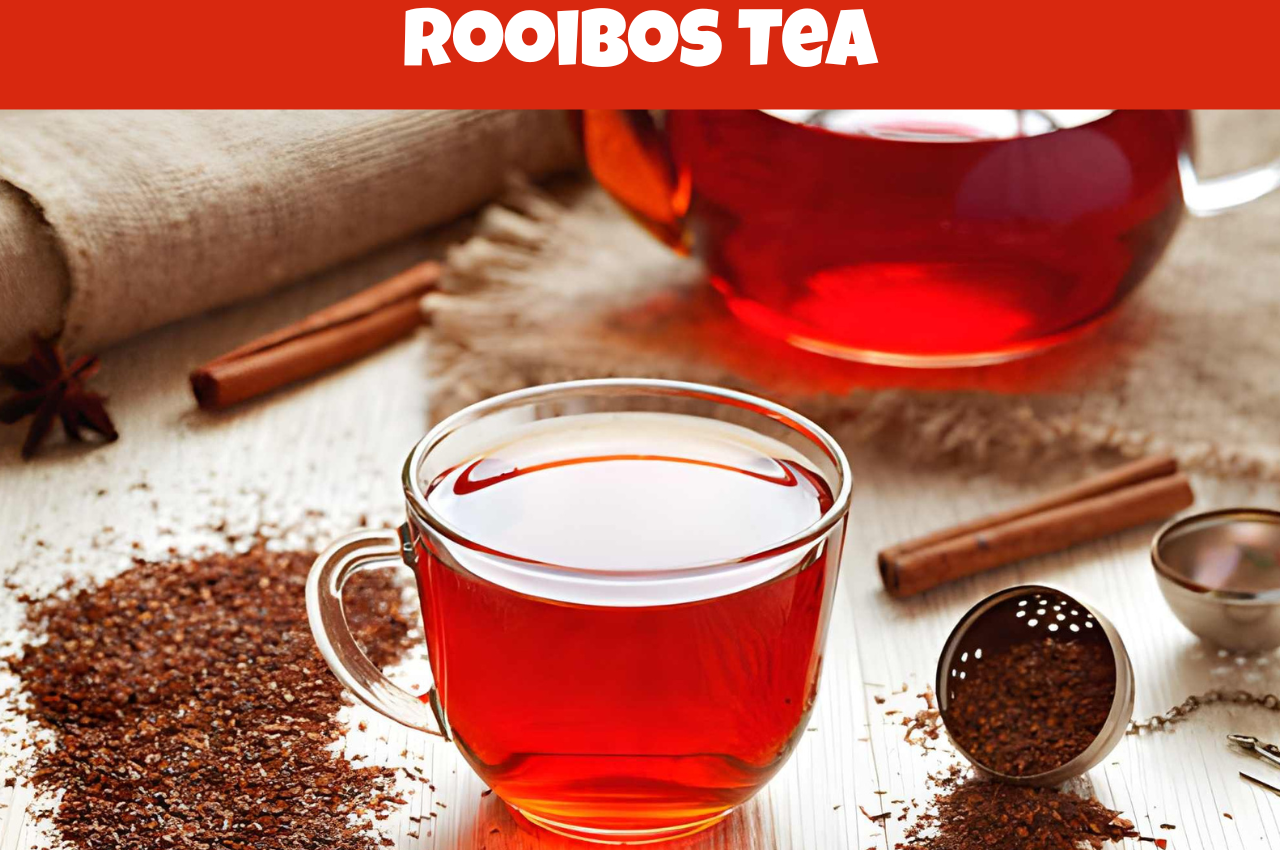
Picture a warm cup of tea that tastes smooth, earthy and calming — and doesn’t give you any caffeine jitters. That’s rooibos tea. This bright red herbal drink originating from the mountains of South Africa has taken the world by storm as it is a mild healthy naturally caffeine-free alternative.
What Is Rooibos Tea?
Rooibos, also called “red bush tea,” is unique to the Cederberg region of South Africa. It isn’t a real tea, such as green or black. Instead, it is derived from a plant known as Aspalathus linearis. The leaves are needle-like, long and thin. Once harvested, the leaves are crushed and allowed to oxidize.
This process of oxidation makes the leaves take on a deep red color and produces rooibos’ sweet, nutty and somewhat earthy taste.
Rooibos has:
- No caffeine
- Extremely low in tannins (no bitterness)
- Natural minerals, including calcium, magnesium and iron
There are two main types:
- Red rooibos: The most common. It is oxidized and has a warm, sweet taste.
- Green rooibos: Not oxidized. It tastes fresher and has even more antioxidants.
Honeybush is a very similar South African herbal drink, but rooibos is known for being naturally high in minerals, low in tannins and gentle on the stomach.
A Short History of Rooibos
Rooibos has existed for 100 years. The Khoisan of South Africa were the first to use it as a healing drink. Dutch settlers gave it the name “rooibos,” or “red bush.”
During the early 1900s, a man named Benjamin Ginsberg helped for sharing rooibos to the world. He collaborated with local farmers to grow it the right way and save the plant from extinction.
Today, South Africa produces more than 15,000 tons of rooibos annually. It is shipped across the world and a favourite among teetotallers who hate the drying effects of caffeine. Today, rooibos farms operate according to environmentally friendly practices for the preservation of Cederberg. Even Nelson Mandela was rumored to be a fan.
How to Brew Rooibos the Right Way
Brewing rooibos is simple.
Steps:
- Boil water.
- Add 1 teaspoon of loose rooibos (or 1 tea bag) per cup.
- Steep for 5–7 minutes.
The longer it steeps, the stronger and fuller the flavor becomes. Rooibos doesn’t need milk because it is naturally smooth, but you can add honey, lemon, or even cinnamon if you want a chai-like taste.
You can also enjoy rooibos iced. Brew it stronger, chill it, and add fruit slices for a refreshing summer drink.
Health Benefits of Rooibos Tea
Rooibos is packed with special antioxidants like aspalathin and quercetin. They are the protectors of the body against damage due to stress, pollution, and aging.
Here are some of its top benefits:
1. Great for the Heart
Research indicates that rooibos may reduce blood pressure and improve cholesterol levels. A daily dose may aid in a healthier heart and prevent heart disease.
2. Helps Balance Blood Sugar
Aspalathin, an unusual antioxidant in rooibos that may regulate blood sugar spikes. This is why it’s useful for people with diabetes and others who are interested in balancing their energy levels.
3. Reduces Inflammation and Supports Skin Health
Rooibos has anti-inflammatory properties. Individuals with acne, eczema or inflamed skin can experience relief by consuming it on a daily basis. Some skin care products even contain rooibos extract.
4. Calms the Stomach
Rooibos is mild on the stomach. It could potentially relieve cramps, colic, the other kind of nausea and gas. South African families commonly use it as a remedy for children with tummy issues.
5. Supports Strong Bones and Immunity
Rooibos minerals such as calcium, magnesium and potassium promote the healthy development of our bones and general well-being. Its antioxidants also support your immune system.
6. Helps With Weight and Better Sleep
It has no calories (naturally), is caffeine-free, and may help fill you up. Drinking it before bed could also help you relax and sleep.
Lavender Tea Health Benefits: Why This Is Great for Your Health
Nutritional Profile of Rooibos
A single cup of rooibos has:
- Zero caffeine
- Almost zero calories
- No oxalates (good for people prone to kidney stones)
- Antioxidants that support the body
- Trace minerals that are easy to absorb
Because it has low tannins, rooibos does not block iron absorption like black tea sometimes can.
Possible Side Effects
Rooibos is safe for most people. However:
- Rare allergies may cause mild rashes or itching.
- High dosages of drinking can influence liver enzymes (this is most commonly seen in animal studies).
- Pregnant people can generally drink rooibos with no issue because it does not contain caffeine, but it’s always best to check with a doctor.
- It may slightly affect iron absorption if consumed in large quantities.
3–6 cups per day, is what most people can safely drink without problems.
Rooibos tea benefits for women
Rooibos tea benefits women through promoting skin health, alleviating stress, improving digestion and offering antioxidant protection without caffeine.
Fun Ways to Use Rooibos in the Kitchen
Rooibos is not just for plain tea. You can use it in many creative ways:
- Rooibos latte: Mix strong rooibos with warm frothed milk and a hint of vanilla.
- Smoothies: Blend cold rooibos with banana for a creamy drink.
- Baking: Use brewed rooibos in cakes, muffins, and cookies for a soft, nutty flavor.
- Cocktails: Mix with gin or rum for a unique red drink.
- Food pairing: Tastes amazing with spicy foods or chocolate desserts.
Why Rooibos Is Trending Today
Folks the world over are seeking out caffeine-free options, and rooibos fits well. It’s natural, it’s gentle, it’s sustainable; and it’s photo-friendly — which is why it often goes viral on social media as “red tea.” Many travelers even visit South Africa’s Cederberg region to explore rooibos farms and tea trails.
FAQs About Rooibos Tea
Is rooibos tea good for weight loss?
It may help reduce cravings and support metabolism, but works best with a healthy lifestyle.
Can kids drink rooibos?
Yes. Many parents use it to soothe colic or upset stomachs.
Does rooibos contain caffeine?
No, it is completely caffeine-free.
Which is better: green or red rooibos?
Green rooibos has more antioxidants, but both are very healthy.
How much rooibos should I drink daily?
Most people enjoy 3–6 cups safely.
Final Thoughts
If you’re looking for a relaxing beverage that works to maintain your well-being, rooibos is an excellent option. Try swapping your afternoon coffee for a cup of rooibos and then notice how you feel in your body you will feel a more relaxed, more balanced and refreshed. You can opt for organic loose leaves when you can; as they offer the best flavor and freshness.