Caribbean Travel Tips: Everything You Need to Know Before You Go
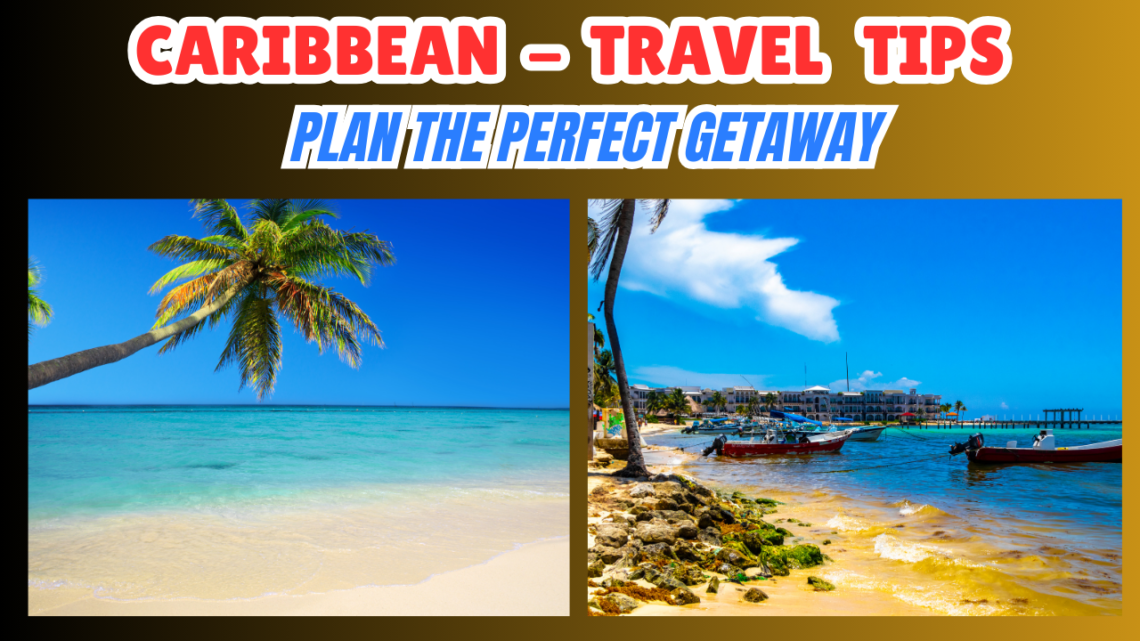
The Caribbean looks simple in photos. Blue water. White sand. A drink in your hand.
But in real life, the Caribbean is not one place. It is more than 7,000 islands, each with different prices, rules, weather patterns, and cultures. Jamaica feels very different from Aruba. Barbados is not the same as the Dominican Republic. If you plan smart, your trip will be smooth. If you don’t, small mistakes can cost you money and time.
This guide brings everything together in one clear, easy-to-read format — no repeated advice, no confusion — just practical tips that actually help.
Choosing the Right Island for Your Trip
The biggest mistake travelers make is booking “the Caribbean” without thinking about what kind of experience they want.
If you want an easy first trip, strong infrastructure, and English everywhere, Barbados is a safe and comfortable choice. Roads are good, food is excellent, and beaches are calm. Aruba is another stress-free option. It sits outside the main hurricane belt and has dry, sunny weather most of the year.
If diving and marine life matter most, Bonaire is world famous for protected coral reefs. The Cayman Islands also offer clear water and professional dive operations.
If you care more about culture than resorts, Cuba offers colorful streets and history, Puerto Rico blends rainforest hiking with city life, and Martinique feels like a mix of France and the tropics.
For travelers on a tighter budget, the Dominican Republic and parts of Jamaica offer great value outside the large all-inclusive resorts.
Best Time to Visit (And How to Save Money)
In the Caribbean, the climate is warm all year round, and the temperature is between 27–30 °C (80–87 °F). What sets it apart, is rain and storms also pricing.
Peak season runs from mid-December to mid-April. The weather is dry and beautiful, but hotels can cost 40–50% more. Flights also sell out early.
And personally, if I’m travelling for more than one week, I always try to go for shoulder season — May, early June, late November, early December — that’s the golden period. Fewer crowds, better rates, and generally decent weather.
June through November is hurricane season, with a peak threat from mid-August to mid-October. The northern islands, Bahamas and Cuba among them, are more long-term exposed. The southern islands like Aruba and Bonaire are typically the safer bets in this period.
For example, consider a beachfront hotel: in February, a room might sell for $320 per night, while in May it might sell for $190. Same beach. Same room. Fewer tourists.
If travelling in June to October then travel insurance with hurricane coverage is highly advised.
Entry Rules and Documents
Each island have its own regulations. Note: Always check the official tourism site before booking.
Most visitors from the US, UK, EU, and Canada can enter visa-free for short stays (30–90 days). However:
The Dominican Republic requires an online E-ticket form.
Aruba requires a digital entry card.
Cuba has special travel categories and changing regulations.
Passports are most important for international travelers. Some US territories like Puerto Rico do not require a passport for US citizens.
For most travelers, health rules are straightforward. Recommendations for standard vaccines (Hepatitis A/B, Tetanus) Certain countries can need proof of yellow fever vaccination upon arrival, so check before you leave.
Budget and Daily Costs
Your daily spending depends on your travel style. Here is a realistic breakdown:
| Budget Level | Daily Cost (USD) | Accommodation | Food | Activities |
| Backpacker | 75–100 | Hostel dorm or guesthouse | Street food, local cafés | Free beaches, hiking |
| Mid-Range | 180–220 | Airbnb or 3-star hotel | Mix of local and nice restaurants | Snorkeling, island tours |
| Luxury | 350+ | Beachfront resort | Fine dining | Private sailing, diving |
Street food can cost $7–15 per meal. A local beer may cost $2–4. Resort cocktails cost much more.
ATMs are widely available in tourist areas. Use bank machines instead of airport exchange counters. Always inform your bank before traveling. Carry some small US dollar bills as backup.
Getting Around the Islands
On larger islands like Jamaica, Barbados, and Puerto Rico, renting a car gives you freedom. You can explore small beaches and local restaurants instead of staying inside a resort.
Some islands drive on the left side of the road. Always check before you go.
Public minibuses (called route taxis or ZR vans) are cheap and safe for short distances, though often crowded. Ferries are useful for island hopping in places like the British Virgin Islands.
Avoid unofficial taxis. Use licensed drivers or hotel-arranged transport.
Europe Travel Guide: Smart Tips
Visit Hawaii: Plan It the Right Way
Food: Eat Outside the Resort
Resorts are comfortable, but local food is where the real experience happens.
Try jerk chicken in Jamaica, mofongo in Puerto Rico, conch fritters in the Bahamas, and fresh lobster across many islands. Street food is usually safe when cooked fresh and busy with locals.
A simple roadside meal often tastes better than an expensive hotel dinner.
Safety in the Caribbean
Safety depends on the island and the neighborhood. Most tourist areas are safe.
Basic rules apply everywhere:
Do not show expensive jewelry.
Do not leave bags unattended on the beach.
Use hotel safes for passports.
Avoid poorly lit areas late at night.
Petty theft is more common than violent crime in tourist zones.
Women travelers should follow normal city precautions, just as they would anywhere in the world.
Health and Sun Protection
The Caribbean sun is strong. SPF 50 sunscreen is not optional — it is necessary. Apply every two hours.
Mosquito repellent with DEET helps prevent dengue and other mosquito-borne illnesses, especially at sunset.
Tap water is safe in some islands like Puerto Rico and Barbados. In others, bottled water is recommended.
Medical facilities vary. Serious emergencies may require evacuation to the US mainland, which can be extremely expensive without insurance. Travel insurance with medical evacuation coverage is highly recommended.
Avoid These Business Travel Mistakes for a Stress-Free Trip
What to Pack
Pack light. Laundry services are affordable.
Bring:
- Light breathable clothes
- Swimwear
- Comfortable sandals
- One nicer outfit for dinner
- Reef-safe sunscreen
- Bug spray
- Reusable water bottle
- Basic medicines
- Waterproof phone pouch
Even during dry season, short rain showers happen. A light rain jacket helps.
Simple FAQs
Is the Caribbean expensive?
It can be, but smart planning makes it affordable. Shoulder season saves money.
Is it safe?
Yes, in most tourist areas. Follow normal travel precautions.
Best island for first-time visitors?
Barbados and Aruba are easy and comfortable choices.
Can you island-hop easily?
Yes, but flights and ferries may not run daily. Plan ahead.
How much for one week?
Backpacker: around $600–800
Mid-range: around $1,200–1,600
Luxury: $2,500+
Final Thoughts
The Caribbean rewards travelers who explore beyond the hotel pool. Talk to locals. Try street food. Visit smaller beaches. Take a ferry instead of a taxi once in a while.
The best stories rarely start with, “We stayed at the resort all week.”
Plan smart, stay flexible, and enjoy every sunset.