
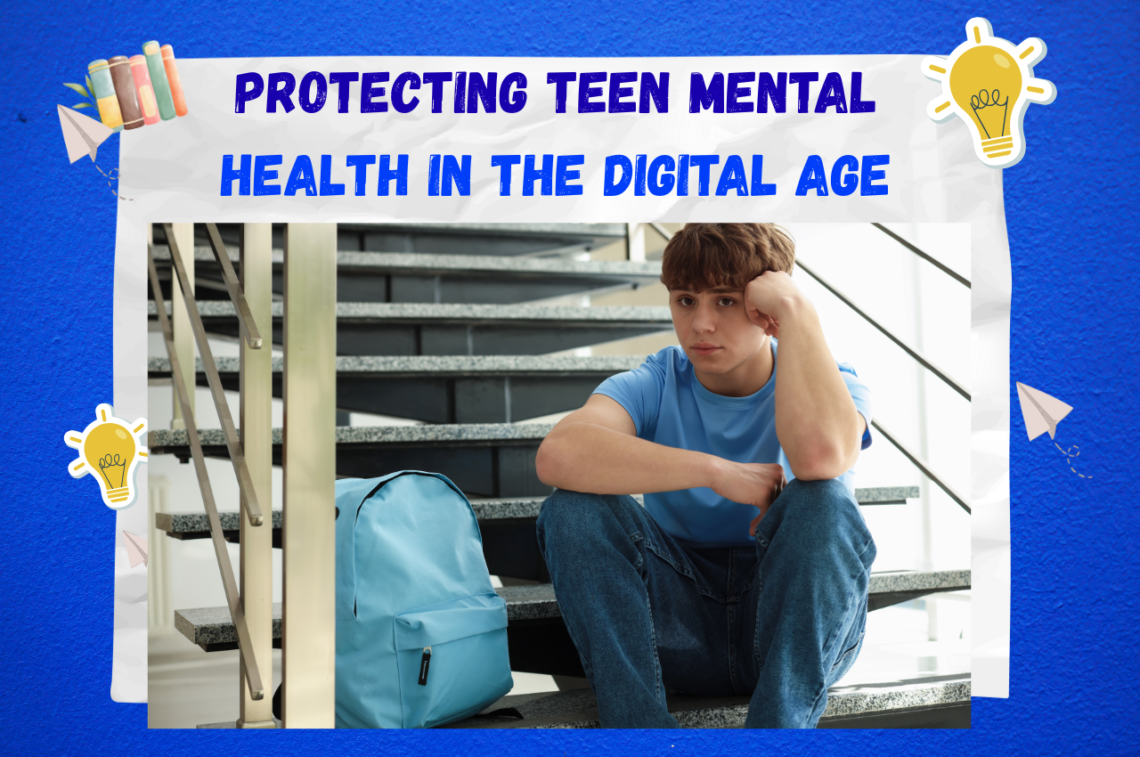
Being a teenager today is very different from what it was even ten years ago. Teens grow up with smartphones, social media, and constant online connection. While this brings many benefits, it also creates pressure, stress, and emotional challenges that many young people struggle to handle alone.
Understanding what teens are facing is the first step to helping them.
How Social Media Affects Teen Mental Health
Social media is not all bad. It’s where many teens go to learn, create and connect with people who share the same issues. It can be a great resource for shy teens who want to find their voice and feel less alone.
But there is also a challenging side.
Most of the moments teens see, on apps like Instagram and TikTok, are glowing with perfection. And beautiful pictures, happy faces, all these great trips and perfect bodies fill their screens. What they do not see are the filters, deletions, failed attempts and real-life struggles behind those posts.
This results in constant comparison over time. Teens might begin to believe that everyone else is happier, more successful or better looking. The more time that adolescents spend on a screen, researching has shown, the greater their risk for anxiety and depression.
The apps are also created to be addictive. Small doses of excitement are found in the likes, comments and notifications. Endless scrolling keeps teens hooked. When teenagers have a hard time putting down their phones, it’s not just because they’re self-absorbed and immature. These platforms are designed to be sticky.
The Reality of Bullying Today
Bullying has always been around, but cyberbullying makes it harder to escape.
It used to be that bullying stayed at school. Home felt safe. Today the way teens experience bullying has changed now that they carry a cell phone. Hateful messages, fake accounts, public posts and shared screenshots can travel quickly — reaching hundreds of people in minutes.
Some teens are mocked anonymously, which makes the cruelty even worse. Others are impersonated or humiliated in group chats. The emotional pain from this kind of bullying can be deep and long-lasting.
Many teens don’t tell adults what’s happening. They fear losing phone access, being blamed, or being told they are overreacting. But online pain is real pain. Their digital world is their real social world.
Academic Pressure Makes It Worse
Along with social pressure, teens also face intense academic stress.
They are expected to get high grades, join activities, volunteer, play sports, build resumes, and still have a social life. Sleep is often sacrificed. Rest feels like laziness.
Many teens live on little sleep while managing exams, homework, and expectations. Anxiety before tests becomes normal. Feeling tired all the time feels normal too. But this level of pressure is not healthy, even though it has become common.
Why Many Teens Don’t Ask for Help
A lot of teens struggle silently.
They don’t want to worry their parents. They are afraid of being judged or dismissed. Some boys feel pressure to appear strong and hide their emotions.
Others don’t even realize something is wrong. They think constant stress, sadness, or emptiness is just part of growing up. When adults brush off teen emotions as “just hormones” or “teen drama,” teens learn to keep quiet.
How We Can Truly Support Teens
Create safe conversations.
When teens open up, listen without judging or rushing to fix things. Simple responses like “I’m glad you told me” or “I’m here for you” make a big difference.
Show healthy phone habits.
Teens notice what adults do. Putting phones away during meals and spending time offline shows them balance is possible.
Support better school mental health resources.
Schools should teach stress management and emotional health, not just academics. Counseling should be easy to access, not something teens have to wait months for.
Teach social media awareness.
Help teens understand that online content is edited and often created to make money. Comparing real life to online highlights will always feel unfair.
Take bullying seriously.
Cyberbullying should be treated as seriously as in-person bullying. Teens need protection, support, and adults who take action.
Building Strong Mental Health Foundations
Encourage teens to explore interests outside screens. Sports, art, music, coding, volunteering, or any passion helps build confidence that doesn’t depend on likes.
Physical health matters too. Sleep, movement, and proper food strongly affect mood and focus. Mental health suffers when the body is exhausted.
Real-life friendships are powerful. Face-to-face connections help teens feel seen and valued for who they truly are.
Therapy should feel normal, not scary. Talking to a trained professional can help teens understand their emotions without fear or pressure.
Warning Signs to Watch For
If these changes last more than two weeks, they may signal deeper struggles:
- Pulling away from friends or activities they once loved
- Falling grades or avoiding school
- Big changes in sleep or eating
- Increased anger, sadness, or irritability
- Talking about feeling hopeless or worthless
- Mentioning death or suicide
- Giving away important belongings
- Taking risky or dangerous actions
If you notice these signs, don’t wait. Early help can save lives.
Getting Professional Help
Reach out to a doctor, school counselor, or mental health professional if you are worried about a teen. If there is immediate danger, seek emergency help right away.
Asking for help is a sign of strength, not weakness.
Looking Ahead
Teens today face real mental health challenges, but they are not alone. With understanding, support, and proper care, young people can build resilience and healthy coping skills.
Every teen deserves to feel valued beyond social media. They deserve adults who listen, safe spaces to struggle, and access to help when they need it.
We may not be able to remove all pressure or eliminate social media, but we can show up. We can listen. We can take their feelings seriously.
And we can remind them of this truth:
Your worth is not measured by likes or followers. You matter exactly as you are. Your feelings are real. And you are never alone.
Need Help Now?
- 988 Suicide and Crisis Lifeline (USA): Call or text 988 (24/7)
- Crisis Text Line: Text HOME to 741741
- Teen Line: Text TEEN to 839863 (6pm–9pm PT)
Also read: