
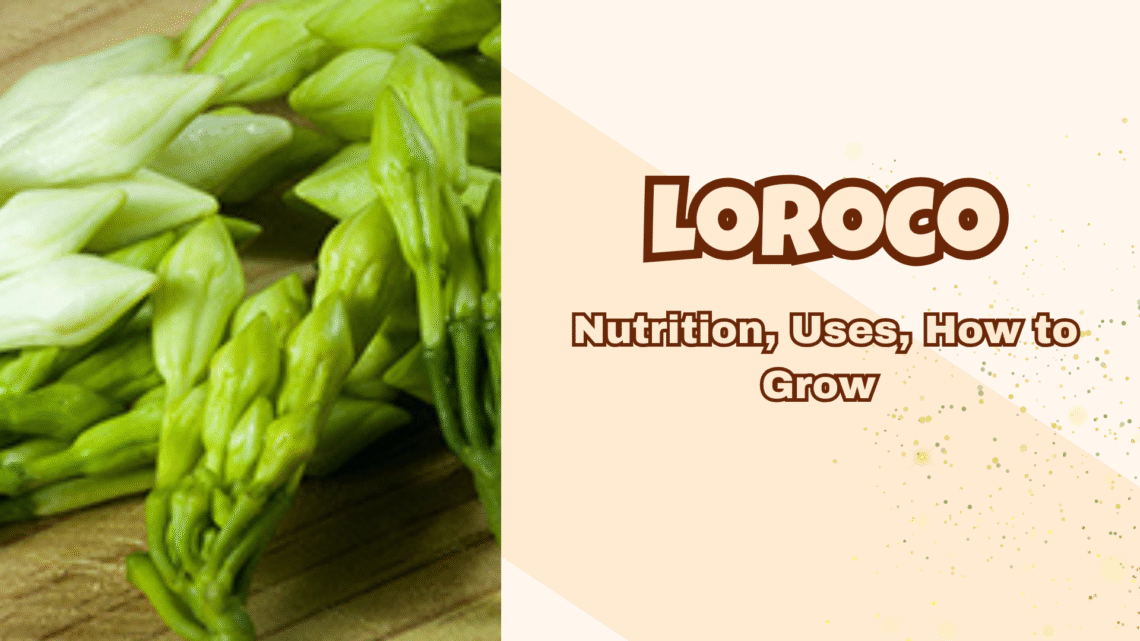
What is Loroco? Nutrition, Uses, How to Grow ?
Loroco—scientifically known as Fernaldia pandurata—is a fragrant Central American herb winning over chefs, home cooks, and food lovers around the world.
Its tender green buds offer a mild, nutty, artichoke-like flavor with a hint of citrus, making it perfect for savory dishes without overpowering them. Beyond taste, loroco packs antioxidants, vitamins A and C, iron, and fiber that support immunity, digestion, and overall wellness.
This guide explores into loroco’s background, health benefits, cooking tips and why this once local gem known export from El Salvador is becoming a world favorite.
Origins and Cultural Roots in Salvadoran Cuisine
Loroco is a wild flower that grows in the mountains of El Salvador, Guatemala, and Honduras, where indigenous people have used it for centuries.
It thrives in the Salvadoran highlands—tolerant to drought, sun, and poor soil—and produces delicate purple-and-white flowers year-round.
In El Salvador, loroco is most famous in pupusas revueltas, where the chopped buds are mixed with cheese and beans to create a fresh, earthy, aromatic filling. It also appears in soups, tamales, rice dishes, and homemade stews.
During El Salvador’s annual Pupusa Day in November, vendors highlight loroco-heavy specialties, celebrating the ingredient’s Mayan roots and its lasting place in national cuisine. As interest in Salvadoran food grows, U.S. imports of loroco from Latino markets have risen over 300% since 2020. Fresh bunches usually cost $2–$4 per pound, while frozen bags offer long shelf life with great flavor.
Nutritional Profile and Health Benefits
Loroco may be small, but it’s nutrient-dense. A 100g serving contains:
- 50 calories
- 7g fiber
- 200% daily value of vitamin A
- 30% daily value of vitamin C
- 3mg iron (15% DV)
Its antioxidant profile rivals spinach, thanks to beta-carotene and unique flavonoids that help reduce oxidative stress. Studies show loroco extracts can lower inflammation by up to 20–30% in lab tests.
Key Benefits
- High fiber aids digestion and supports gut health
- Vitamin A promotes eye health and a strong immune system
- Vitamin C boosts immunity and collagen production
- Iron helps prevent anemia, especially in plant-based diets
- Quercetin may lower cholesterol absorption
- Low oxalates make it kidney-friendly
- Low carbs fit keto, paleo, and diabetic-friendly diets
Culinary Uses: Traditional Dishes and Modern Fusion
Loroco is wonderfully versatile. You can use it raw, cooked, blended, or sautéed. Its tender buds cook quickly—usually 2–5 minutes—and blend well with mild, savory, or citrusy flavors.
Traditional Uses
- Pupusas filled with loroco and cheese
- Soups simmered with chicken or vegetables
- Omelets with a handful of chopped buds
- Rice dishes for added aroma and texture
Modern Fusion Ideas
- Loroco pesto tossed with pasta
- Smoothies with pineapple for a subtle earthy note
- Tempura loroco buds for a crunchy appetizer
- Salads with citrus vinaigrette
- Quesadillas for a fast, flavorful meal
Frozen loroco keeps its texture well, and dried loroco can even be used for teas.
Quick Recipe: Loroco Quesadillas (2 servings, ~300 calories each)
Ingredients:
- 1 cup chopped fresh loroco
- 4 corn tortillas
- ½ cup queso fresco
Directions:
- Sauté loroco for 3 minutes.
- Layer loroco and cheese between tortillas.
- Grill 2 minutes per side until melted and golden.
- Serve with salsa or lime.
Growing Loroco at Home
If you want fresh loroco all year, growing it is surprisingly easy.
- Seeds sprout in 10–14 days under warm conditions
- Plants can reach up to 6 feet in pots
- Needs full sun and well-drained soil
- Hardy in USDA Zones 9–11
- Indoors, it grows well with LED grow lights or hydroponics
- Harvest tender tips weekly once mature (around 6 months)
- Each plant yields 1–2 lbs per season
Prune often to encourage bushier growth and more edible buds.
Sourcing, Storage, and Sustainability
You can find loroco in:
- Latin grocery stores
- Specialty international markets
- Online retailers (frozen packs ship well)
Storage Tips
- Refrigerate fresh loroco for 5–7 days wrapped in a damp towel
- Blanch and freeze for up to 6 months
- Frozen buds maintain flavor and texture beautifully
El Salvador’s loroco farms have leaned toward sustainable and small-scale production, and supporting co-ops helps keep traditional agriculture thriving.
Loroco is naturally low in allergens and safe for most diets, though its fiber content can cause mild digestive effects in sensitive individuals.
Are Burritos Healthy for you? Find The Truth Inside it
Challenges and Tips for First-Time Cooks
- Too earthy?
Blanch for 30 seconds to soften bitterness. - Hard to find?
Substitute artichoke + arugula for a similar flavor. - Concerned about pesticides?
Look for certified organic Salvadoran imports.
FAQ
What does loroco taste like?
Mild, nutty, and artichoke-like with a light citrus finish.
Is loroco safe to eat raw?
Yes. It’s delicious in salads and ceviche, though cooking improves digestibility.
How do I make pupusas with loroco?
Stuff masa dough with loroco and cheese, then grill until golden.
Does loroco have real health benefits?
Yes — it is high in antioxidants, fiber, vitamin A, vitamin C and iron.
Can I grow loroco indoors?
Absolutely. A sunny windowsill or, alternatively, LED lights are enough for year-round harvests.
What can I use as a substitute?
A mix of artichoke hearts and arugula offers a similar flavor profile.
How many calories are in loroco pupusas?
They’re usually somewhere in the 250-350 calorie range, depending on the cheese and filling of course.