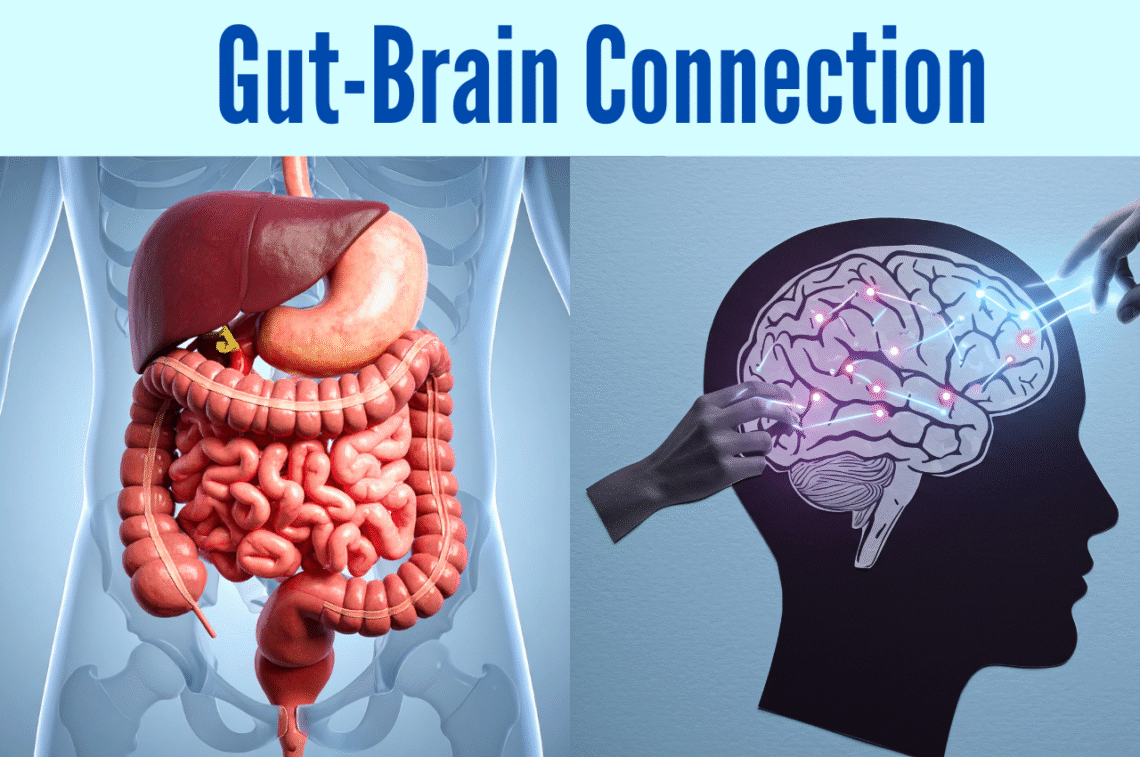
Your stomach and your brain are in constant contact via nerves, hormones and immune signals in what is known as the gut-brain connection or axis. This connection influences your mood, stress levels, concentration, digestion and the decisions you make day in and day out.
Your gut is home to trillions of microbes that produce almost 90% of your body’s serotonin, the “feel-good” chemical. That’s why stress can upset your stomach, and why probiotics help many people feel calmer and happier. Clinical studies have also shown that probiotics can lessen depression symptoms in 50 to 60 percent of people.
This guide breaks what it means for your day-to-day life (and vice versa), even some easy ways to improve it — along with new treatments that are coming soon.
How the Gut and Brain Communicate
Your gut contains around 100 trillion microbes, making it one of the most active systems in your body. These microbes talk to your brain through the vagus nerve, which sends messages in milliseconds. Your gut manufactures hormones like serotonin and GABA that directly impact on your mood, sleep, and mental clarity.
Your digestive tract also has its own nervous system—the enteric nervous system, often called the “second brain.” It has more than 500 million neurons, and it works independently to sense stress, react to foods, and control digestion.
When your gut bacteria become unbalanced (called dysbiosis), it can increase inflammation, raise stress hormones like cortisol, and trigger symptoms that feel like anxiety. In studies, even fecal transplants from healthy donors have helped reduce depression-like symptoms in animals, showing how powerful the microbiome really is.
How Gut Health Affects Your Daily Life
In my daily experience, the gut-brain connection is evident. Butterflies before a speech, stomach cramps when you’re stressed, cravings when you’re tired — all of these are connected to this system.
Long-term stress can reduce healthy gut bacteria by 20–30%, which may lead to IBS, fatigue, mood swings, and brain fog. On the other hand, a more varied diet will keep your gut balanced for the better, and increase your overall resilience. For instance, people who eat yogurt regularly tend to have lower anxiety due to such helpful bacteria as lactobacillus.
Gut health is also linked to long-term conditions. A large proportion of individuals with IBS also have anxiety or depression. Parkinson’s disease commonly derives from early gut symptoms. Children with low gut diversity at increased risk of ADHD. Even the way you sleep is ruled by signals from the gut and its hormones.
How Your Gut Affects Different Areas of Health
- Mood & Anxiety: Good gut bacteria enhance production of serotonin which in turn means fewer symptoms — by up to 30%.
- Stress Response: A healthy vagus nerve calms the stress response of your body.
- Cognitive Function: Fatty acids produced by the gut results in sharpened memory and focus.
- Immunity: Roughly 70% of your immune system sits in the gut.
- Sleep: Your gut helps convert tryptophan into sleep-friendly hormones.
Blue Hibiscus Tea: Benefits, Weight Loss & How to Make It
Simple Ways to Improve Your Gut-Brain Connection
This bond can be nurtured in small everyday habits. The trick is feeding the good bacteria in your gut and reducing things that harm them.
Eat More Prebiotics and Probiotics
- Prebiotics: garlic, onions, bananas, oats
- Probiotics: yogurt, kefir, kimchi, sauerkraut
- Fiber-rich foods: lentils, beans, whole grains
These help to promote the growth of healthy bacteria which can decrease inflammation.
Lifestyle Habits That Make a Big Difference
- Walk for 30 minutes each day to stimulate the vagus nerve
- Do deep breathing or meditation to reduce stress microbes
- Get 7-9 hours of sleep to maintain a balanced gut
- Eat slowly so your gut can send messages of fullness
A Simple Gut-Friendly Day
- Breakfast: Greek yogurt, chia seeds, berries
- Lunch: Lentil soup with leafy greens
- Snack: Apple with almond butter
- Dinner: Salmon with quinoa and fermented veggies
New Treatments and Future Research
A growing field called psychobiotics focuses on specific bacteria that support mental health.
For example, the strain Bifidobacterium longum has antidepressant-like effects (without side effects).
Fecal microbiota transplants (FMT) already cure 90% of C. diff infections and show early promise for autism and mood disorders. AI-based stool tests are helping create personalized diet plans. In addition, vagus nerve stimulation is now being explored for mental health and epilepsy.
Experts anticipate that engineered microbes and postbiotic extracts — as well as microbiome-based therapies to treat mental health disorders.
Common Problems and Easy Fixes
If you’re new to gut-friendly eating, you may face small challenges.
- Bloating: Start with small portions and drink plenty of water.
- After antibiotics: Increase fermented foods for 4 weeks.
- Travel issues: Take yogurt, kombucha or probiotic capsules.
- Unsure what you need? Microbiome tests can guide food choices.
FAQ
How long does it take to improve gut health?
Most people feel changes in 2–4 weeks, with bigger improvements in three months.
Do probiotics cure anxiety?
Not alone, but they enhance therapy results by 40–50% in many studies.
What’s the best food for gut health?
Fermented foods like kefir or yogurt—these deliver live cultures.
Can stress permanently damage my gut?
No. With better habits, your gut can recover and even grow stronger.
Should children focus on gut health?
Yes—early gut diversity lowers allergy and ADHD risks.
What vegan foods support gut-brain health?
Tempeh, miso, kimchi, kombucha, and plant-based yogurts.
Does exercise really impact the gut?
Yes. It increases beneficial bacteria that support mood and immunity.