
If you’ve ever sprinkled a little dried catnip on the floor and watched your calm cat suddenly roll, chirp, and zoom like a kitten again, you’re not alone. For many cat parents, catnip feels almost magical. One minute your cat is napping, the next they’re rubbing their face into the carpet like they’ve discovered buried treasure.
But catnip is not magical; it’s science, genetics and a little bit of nature doing what nature does best.
This comprehensive guide covers everything you need to know about what catnip is, how it works and why some cats don’t react to it, as well as the safe ways in which you can give your cat a bit of a buzz. It is written for the real cat owner, with practical advice, honest explanations and veterinary‐backed facts — not fluff and no myths.
What Is Catnip?
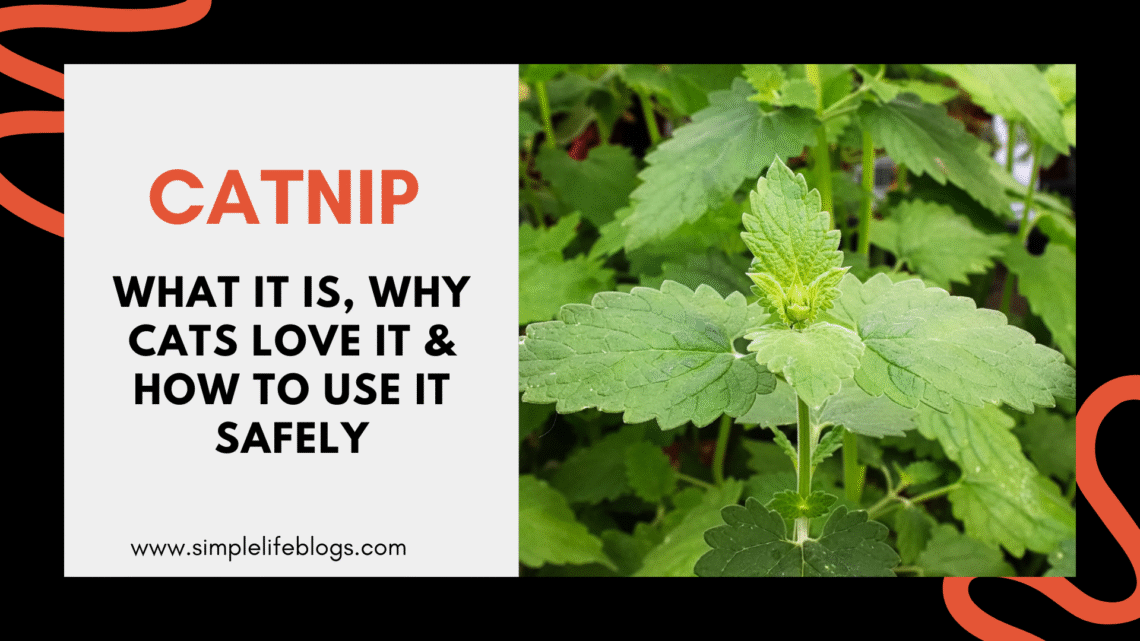
Catnip, scientifically known as Nepeta cataria, is a leafy green herb from the mint family. If you crush a catnip leaf between your fingers, you’ll notice a slightly skunky, herbal smell — that scent comes from natural oils inside the plant.
Catnip grows naturally in parts of Europe and Asia, but today it’s cultivated all over the world, including the United States. You’ll often see it growing in backyard gardens, sold dried in pet stores, or packed inside cat toys.
While humans have used catnip historically in teas and folk remedies, it’s best known for its unique effect on cats.
Why Do Cats Love Catnip?
The secret behind catnip’s effect lies in a natural compound called nepetalactone. This compound is found in the leaves and stems of the plant.
When a cat smells catnip, nepetalactone binds to receptors in the cat’s nose and stimulates sensory neurons connected to the brain. These signals trigger behaviors linked to pleasure and excitement.
It’s important to note: smelling catnip causes the playful reaction — eating it usually causes calmness.
Common Catnip Reactions
Not all cats react the same way. Some become energetic, others mellow out.
Typical reactions include:
- Rolling on the ground
- Rubbing cheeks and chin
- Purring or chirping
- Sudden bursts of playfulness
- Zooming around the room
- Relaxed lounging after excitement
Most reactions last about 5 to 15 minutes. After that, your cat enters a “cool‑down” phase and won’t respond again for roughly 30 minutes to an hour.
Why Some Cats Don’t React to Catnip
If your cat sniffs catnip and walks away unimpressed, don’t worry — nothing is wrong.
The response to catnip is genetic. Studies show that only about 60–70% of cats are sensitive to nepetalactone. If your cat didn’t inherit the gene, catnip simply won’t do anything for them.
Other reasons a cat may not react:
- Age: Kittens under 6 months rarely respond
- Individual preference: Just like humans, cats have likes and dislikes
Interestingly, some big cats — like lions and leopards — also respond to catnip.
Is Catnip Safe for Cats?
Yes — catnip is non‑toxic and safe for most cats when used properly.
It is:
- Not addictive
- Not harmful to the nervous system
- Approved by veterinarians for enrichment
That said, moderation matters.
Too much catnip — especially if eaten — can cause:
- Vomiting
- Diarrhea
- Temporary overstimulation
If your cat becomes aggressive or overly wound up, take the catnip away and let them settle.
Different Forms of Catnip
Catnip comes in several forms, each with its own benefits.
Dried Catnip
This is the most common form. It’s easy to sprinkle on toys, scratching posts, or bedding.
Fresh Catnip
Fresh leaves are more potent. Many cats enjoy chewing on them, but smaller amounts are best.
Catnip Spray
Sprays are great for cats who don’t like eating catnip. They’re also helpful for redirecting scratching behavior.
Catnip Toys
Toys stuffed with catnip encourage play and exercise, especially for indoor cats.
The Joy of Owning a Cat: Why Life Feels Better With a Feline
How Often Should You Give Catnip?
For most cats, once or twice a week is ideal. Giving it daily can reduce its effect and may overstimulate sensitive cats.
Think of catnip as a treat — not a daily requirement.
Benefits of Catnip for Cats
When used thoughtfully, catnip can be a powerful enrichment tool.
Benefits include:
- Encourages exercise and play
- Reduces boredom in indoor cats
- Helps redirect scratching to appropriate areas
- Can ease mild stress or anxiety
- Supports mental stimulation
Many shelters and vets use catnip to help shy or stressed cats relax in new environments.
Can Catnip Calm Anxious Cats?
It depends on the cat.
Some cats become relaxed and sleepy after exposure, especially if they eat catnip rather than smell it. Others become more energetic.
If your cat is anxious, try offering catnip in a calm, familiar setting and observe their reaction.
Does Catnip Work on Humans?
Historically, catnip has been used by people as a mild herbal tea for relaxation or digestion. While it’s generally safe for humans, scientific evidence for its benefits is limited.
Catnip is not a drug and does not produce psychoactive effects in humans.
How to Store Catnip Properly
Catnip loses potency over time when exposed to air, heat, and light.
Storage tips:
- Keep dried catnip in an airtight container
- Store it in a cool, dark place
- Refrigeration can extend freshness
Fresh catnip can be frozen to preserve nepetalactone.
Alternatives to Catnip
If your cat doesn’t respond to catnip, try:
- Silvervine (often more potent)
- Valerian root
- Tatarian honeysuckle wood
Some cats who ignore catnip respond strongly to these alternatives.
Frequently Asked Questions (FAQ)
Can kittens have catnip?
Most kittens don’t respond until they’re around 6 months old.
Can cats overdose on catnip?
No, but too much can cause temporary stomach upset.
Is catnip addictive?
No. Cats do not develop dependence.
Why does my cat get aggressive with catnip?
Some cats become overstimulated. Reduce frequency or stop use.
Can I grow catnip at home?
Yes. Catnip is easy to grow and thrives in sunny areas.
Final Thoughts
Catnip isn’t a trick — it’s a natural plant that taps into a cat’s senses in a unique way. For many cats, it brings joy, playfulness, and enrichment. For others, it does nothing at all — and that’s perfectly normal.
Used in moderation and with understanding, catnip can be one of the simplest ways to add fun and stimulation to your cat’s life. Sometimes, all it takes is a pinch of dried leaves to turn an ordinary afternoon into something memorable — for both of you.