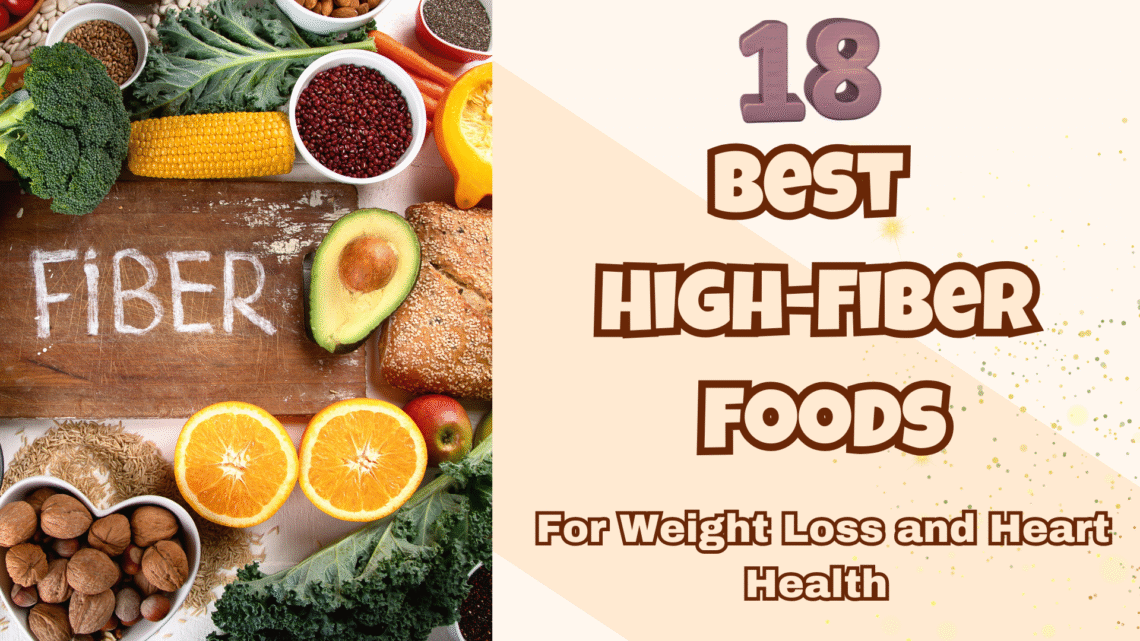
High-fiber foods like beans, oats, avocados, berries and whole grains are not only filling but also a powerful way to fuel your body with the good stuff. They help make way for easy digestion, level blood sugar and better cholesterol. Fiber keeps you satisfied longer, which makes losing weight and preventing diabetes and heart disease easier.
Most adults require 25 to 38 grams of fiber per day, but many fall short of the mark, consuming less than 15 grams. Small exchanges — eating whole grains rather than refined carbs, for example — can help you feel fuller, longer, get energized more quickly and avoid sugar. This guide includes a handy list of the best high-fiber foods, how fiber works in your body, plus some of my favorite tips for boosting your intake without a hassle.
Why Fiber Is Important for Your Health
Fiber works like a natural cleaner for your digestive system. It aids that waste passes so smoothly throughout your intestines and feeds healthy bacteria in the gut, which produces out protective compounds for the colon.
Soluble fiber absorbs water and turns into a gentle gel that slows sugar absorption and captures cholesterol before it enters your bloodstream.
This can reduce LDL cholesterol by 5–10% and lower the risk of type 2 diabetes by 30%. The insoluble fiber in it increases bulk to your poop and helps prevent constipation; reducing the risk of diverticulitis.
A high-fiber diet is also good for your heart. There are long-term studies suggesting that people who eat more fiber have 15–30% less risk of heart-related diseases. Fiber helps with weight loss as well by expanding in the stomach and promoting a sense of fullness, which discourages overeating while providing fewer calories naturally.
Some people even see clearer skin as a result, since fiber improves the way that the body extracts nutrients and gets rid of waste. Begin with low doses and lots of water to avoid bloating as your body adapts.
10 Best Luteal Phase Foods to Feel Balanced and Energized
10 Daily Habits That Instantly Improve Your Mental Health
Top High-Fiber Foods to Add to Your Routine
A combination of fruits, vegetables, legumes, grains, and seeds provides your body with both soluble and insoluble fiber. The best way to get carotenoids is from :Whole foods which also contain antioxidants, vitamins, and minerals.
Fruits (2–8g per serving)
Fruits are easy, portable, and naturally sweet.
- Raspberries: 8g per cup; excellent for gut health.
- Pears: 6g each; the skin contains most of the fiber.
- Apples: 4g with skin; great with nut butter.
- Avocados: 10g per whole fruit; creamy and filling.
- Slightly green bananas: 3g; rich in resistant starch.
Vegetables (2–7g per cup)
Veggies add bulk without many calories.
- Broccoli: 2.5g cooked; steam for best texture.
- Brussels sprouts: 4g roasted; crispy and flavorful.
- Green peas: 8g per cup; perfect for soups and stir-fries.
- Carrots: 3.5g raw; great for snacking.
- Sweet potatoes: 4g baked; keep the skin on.
Legumes (10–16g per cup cooked)
Legumes offer the best mix of fiber and protein.
- Lentils: 16g; delicious in curries and soups.
- Black beans: 15g; ideal for burrito bowls.
- Chickpeas: 12g; roast for crunchy snacks.
- Kidney beans: 13g; perfect in chili.
Grains and Seeds (5–12g per serving)
These make breakfast and baking more nutritious.
- Oats: 4g per half-cup dry; great for porridge.
- Chia seeds: 10g per ounce; perfect for puddings.
- Quinoa: 5g per cup cooked; a versatile bowl base.
- Bran flakes: 7g per cup; mix with yogurt.
Quick Fiber Reference Table
| Food | Fiber Per Serving | Best Prep Tip |
| Raspberries | 8g per cup | Add to yogurt parfait |
| Lentils | 16g per cup | Use in veggie soup |
| Avocado | 10g whole | Spread on toast |
| Chia seeds | 10g per ounce | Mix into overnight oats |
| Black beans | 15g per cup | Fill burritos or bowls |
Simple and Delicious Ways to Eat More Fiber
You can boost your fiber intake without putting a lot of effort into complex meals. Breakfast can be a good place to start — an overnight oats dish with chia seeds, banana slices and almonds can easily give you 12 grams. A lunchtime lentil salad with spinach and carrots adds on roughly 20 grams. For dinner, consider a bowl of stir-fried and broccoli with chickpeas and quinoa.
Snacks can help too. An apple with peanut butter or carrot sticks with hummus satisfy hunger. Toss some spinach, frozen mixed berries and flaxseeds into smoothies for an extra fiber boost that is easy on the blender. Baking with whole wheat flour, or a mix of white and whole wheat, grated zucchini or raisins is an easy way to boost fiber content without sacrificing taste.
For those who like Indian flavors, dal with brown rice or a simple guava chaat will increase their intake naturally. Apps can help track whether you’ve made your goal — 25g a day for women, and 38g for men.
How to Avoid Common Fiber Problems
Increasing up fiber too quickly can lead to bloating or gas, so take your time. Drink at least eight glasses of water each day which will help the fiber to pass through your body.
If beans cause discomfort, rinse canned beans well or try sprouting dried beans. For children who resist high-fiber foods, blend fruits into smoothies or add vegetables to pasta sauces and pizza toppings. Frozen produce such as peas and berries are cheap and healthy just like fresh.
Long-Term Benefits Supported by Science
A high-fiber diet offers strong long-term protection. People who regularly consume sufficient amounts of fiber have been found to have a 15-25% lower risk of developing colon cancer. It also promotes good mood through the gut/brain connection, and contributes to weight control — most people can lose 2–5 pounds additional per year just by eating more fiber-rich foods. These benefits can be further improved through regular exercise.
FAQ: High-Fiber Eating Made Easy
How much fiber do I need daily?
It’s about 25g for women and 38g for men.
Does fiber help with weight loss?
Yes. It fills you up and slows your calorie intake.
Are supplements as good as whole foods?
Whole foods are better because they contain vitamins and antioxidants.
Can too much fiber be harmful?
Only if you don’t drink enough water. Too much may temporarily reduce mineral absorption.
Which foods help most with constipation?
Prunes, pears, oats, bran and vegetables that are rich in insoluble fiber.
Do kids need fiber too?
Yes. A simple rule is age + 5 grams daily.
Best vegan high-fiber foods?
Beans, lentils, whole grains, seeds, nuts, and vegetables.