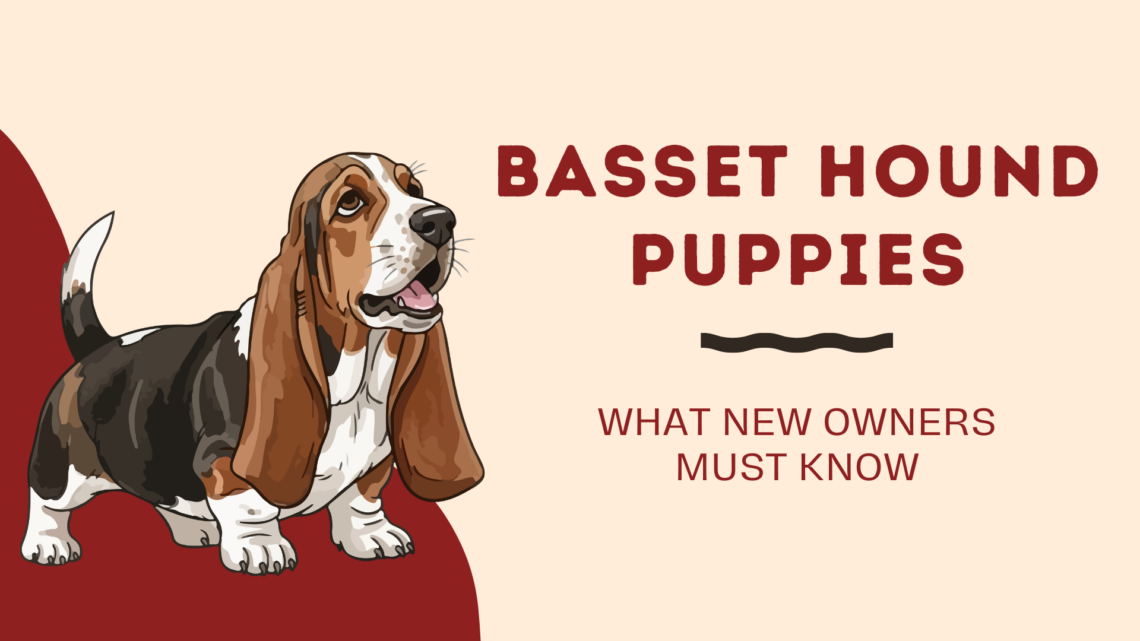
There’s nothing quite as precious as a Basset Hound puppy walking straight at you. Their long ears are to the ground. Their walk is slow and funny. Their eyes seem to be brimming over with sentiment. Not only are these puppies adorable. They somehow instantly adopt into your family.
Basset Hounds originated in France and Belgium. They were bred to follow smells. People walked behind them while they tracked scents. This slow and steady nature is still part of who they are today. That is why they make great family dogs. They enjoy quiet homes, love being around people, and stay loyal for life.
If you are getting a Basset Hound puppy, knowing its needs will be beneficial. This is a sure way to raise a healthy and happy dog.
Understanding Basset Hound Puppies
Basset Hound puppies don’t look like most dogs. They have long low bodies. They have short, but powerful legs. Their ears are extremely long and soft. These ears assist in drawing smells to their nose – which is helpful for tracking a scent.
Their faces have wrinkles, and their eyes droop down. They may look serious, but they are kind and gentle dogs.
At about eight weeks old, most Basset puppies weigh between 20 and 25 pounds. They grow fast in their first year. Most reach full size between 12 and 18 months. Adult males usually weigh between 50 and 65 pounds. Females are a little smaller.
Basset puppies are calm, affectionate and good. They are excellent with kids. They are also good with other pets. They like to think for themselves. Some label this as stubbornness, but it actually just means they want to work at their own pace.
Breed History and Physical Features
The name “Basset” comes from the French word meaning “low,” which fits this breed perfectly. Adult Basset Hounds are only about 12 to 15 inches tall, but they are strong dogs with solid bodies.
Their coat is short and thick. Common colors include black, white, and tan, or lemon and white. Basset puppies are usually born in groups of six to eight after about 63 days of pregnancy.
Their sense of smell is extremely strong. In fact, it is one of the best among all dog breeds. When a Basset follows a scent, it can be very focused and hard to distract.
Basset Hound Personality at a Glance
| Trait | Puppy Stage | Adult Stage |
| Energy | Short play times | Calm and relaxed |
| Social Nature | Loves attention | Strong family bond |
| Intelligence | Learns through smell | Independent thinker |
| Voice | Starts baying early | Classic hound howl |
Bringing Your Basset Puppy Home
Getting ready before your puppy arrives makes everything easier. Because of their body shape, Basset Hounds do best with low and wide food and water bowls. Raised bowls often cause their ears to fall into water, which can lead to ear infections.
A good bed is very important. Their long back needs support from a young age. Crate training is also helpful, especially for toilet training. Choose a crate that allows room to grow and make it comfortable with soft bedding.
The first few nights may be hard. Your puppy may cry because they miss their mother and siblings. Staying calm, offering gentle comfort, and keeping a routine will help them adjust.
If you live in a humid or rainy area, make sure your puppy sleeps in a dry and clean place. This helps prevent skin problems.
Feeding Your Basset Hound Puppy
Feeding your Basset puppy properly is extremely important. This breed gains weight easily, and extra weight can cause problems with their back and joints.
Choose high-quality puppy food made for medium to large breeds. Avoid food that causes fast growth. Slow and steady growth is much healthier.
Puppies under six months usually need three meals a day. After that, you can slowly move to two meals per day. Always measure food and avoid giving table scraps.
| Age | Meals Per Day | Daily Amount | Notes |
| 2–6 months | 3 | 1.5–2.5 cups | Puppy food |
| 6–12 months | 2–3 | 2–3 cups | Joint support |
| Adult | 2 | 1.5–2.5 cups | Weight control |
Fresh water should always be available. Expect some mess, as Bassets are not neat drinkers. Many owners use ear covers during meals to keep ears clean.
Training Your Basset Hound Puppy
Training a Basset Hound puppy takes patience and kindness. They understand commands, but they choose when to listen.
Positive training works best. Treats are very helpful. Harsh punishment usually makes training worse.
Toilet training takes time. Keep a strict schedule and praise your puppy when they do well. Crate training helps speed up the process.
Leash training is very important. Bassets love following smells and can pull hard when distracted. A harness is safer and more comfortable than a collar.
Socialization between 3 and 14 weeks is very important. Let your puppy meet new people, hear new sounds, and visit new places. This helps them grow into calm and confident adults.
Poodles Types Explained: Why America Loves This Smart Dog
Exercise and Mental Activity
The Basset puppies need to be in movement on a daily basis, despite the fact that often they appear lazy. Two short walks of just 20 to 30 minutes are generally sufficient.
Don’t let them run, jump or play rough until they are at least 18 months old. Their bones and back simply require time to develop correctly.
Mental activity is just as important as physical exercise. Smell games, puzzle toys, and short training sessions keep their minds active and prevent boredom.
Grooming and Daily Care
Basset Hounds shed moderately all year. Brushing once a week helps control hair and keeps their coat healthy.
Most dogs only need a bath every four to six weeks. It is essential to dry skinfolds thoroughly, so as to prevent infections.
Ear care is very important. Use a vet-approved cleaning product to wipe out their ears once a week.
Their floppy ears trap moisture easily.
Nails should be trimmed every two to three weeks.
The key is to start early so he’ll become about accepting nail-care procedures.
Health Issues to Watch For
When properly cared for, Basset Hounds generally live 10 to 13 years. Because of the way their bodies are shaped, they need extra care.
Ear infections are common, and need to be handled promptly. Eye disorders, such as glaucoma, are possible too.
Their long back makes them prone to spinal problems. Avoid jumping and use ramps when possible.
Maintaining your Basset at a healthy weight is the single most crucial factor in long-term health.
Living With a Basset Hound Puppy
Basset Hounds are vocal dogs. Howling and baying are normal for the breed. Early training could prevent these sounds from becoming too noisy.
They are extremely social and do not tolerate being alone for extended periods of time. Isolation can cause anxiety and produce bad behavior.
Drooling is normal. Keep a towel nearby and accept it as part of Basset life.
Frequently Asked Questions
Are Basset Hounds good with children?
Yes, they are gentle, patient, and great family dogs.
Are they easy to train?
They can be slow learners, but food rewards and consistency work well.
Can they live in apartments?
Yes, if they get daily walks and mental activity.
How often should ears be cleaned?
Once a week, or more often if needed.
When should they eat adult food?
Around 12 months of age.
Final Thoughts
Raising a Basset Hound puppy is not about perfection. It’s all about being patient, loving and understanding of their slow and gentle temperament. These dogs take life at their own speed and teach their owners to do the same.
With proper care, training, and attention, your Basset puppy will grow into a loyal friend who fills your home with love, laughter, and unforgettable memories.
Those long ears, those soft eyes are not just cute but the beginning of a life-long bond. 🐾❤️
. 🐾❤️