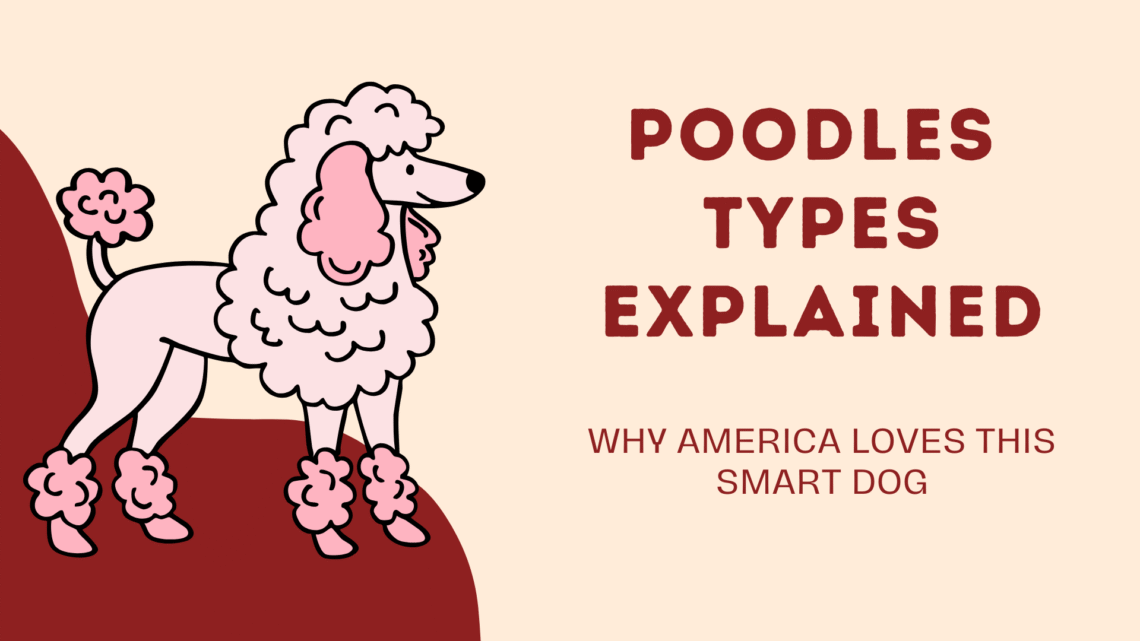
If you have ever seen a Poodle walking in a park, you know they stand out. Their tail is held high, their curly coat bounces, and they walk with confidence. Poodles do not just walk—they seem proud and full of life. Behind their stylish look is a very smart, loving, and loyal dog that fits well into many American homes.
Many people think Poodles are only fancy dogs, but that is not true. Poodles are strong, active, and love being around people. In the past, they used to work as hunting dogs. They are now family companions, therapy dogs, performers and loyal friends.
No matter where you live— whether you are in a city apartment, suburban home or country house resident there is a Poodle type that fits your space!
In this article, we will be talking about what Poodles are actually like, their origins, and the different types of Poodle. This will help you determine whether one of these intelligent, curly-coated dogs is a good fit for you.
What Is a Poodle, Really?
The Poodle is a single breed, but it comes in three officially recognized sizes in the United States:
- Standard Poodle
- Miniature Poodle
- Toy Poodle
They all share the same breed traits: intelligence, trainability, curly coats, and strong bonds with humans. The only real difference is size, not personality or intelligence.
Originally bred as water retrievers, Poodles were working dogs long before they became show ring icons. Their iconic haircut? It wasn’t fashion—it was functional. Hunters clipped their coats strategically to protect joints and organs while allowing freedom of movement in cold water.
So yes, Poodles are beautiful—but they’re also tough, capable, and incredibly smart.
Why Poodles Are So Popular in the U.S.
Poodles consistently rank among America’s favorite dog breeds, and for good reason:
- They’re one of the most intelligent dog breeds in the world
- Their coats shed very little, making them popular with allergy-sensitive households
- They adapt well to different living situations
- They’re highly trainable and eager to please
- They form strong emotional bonds with their families
In short, they’re not just dogs you own—they’re dogs you live with.
The Three Main Types of Poodles Explained
1. Standard Poodle: The Original Athlete

If you picture a tall, graceful Poodle running confidently through a field or diving into a lake, you’re thinking of a Standard Poodle.
Size & Build
Standard Poodles stand over 15 inches tall at the shoulder and usually weigh between 40 and 70 pounds. They’re strong, athletic dogs with long legs and a balanced frame.
Personality & Temperament
Standard Poodles are confident, intelligent, and emotionally intuitive. Many owners describe them as “almost human” in the way they read moods and respond to emotions. They’re loyal without being clingy and playful without being chaotic.
Lifestyle Fit
These dogs thrive in active households. They enjoy:
- Long walks
- Swimming
- Hiking
- Agility training
- Interactive games
If you’re someone who enjoys being outdoors or wants a dog that can keep up with an energetic lifestyle, the Standard Poodle is a fantastic match.
Health Considerations
Like many larger breeds, Standard Poodles can be prone to hip dysplasia and bloat. Responsible breeding and regular vet care go a long way in keeping them healthy.
2. Miniature Poodle: The Perfect Middle Ground
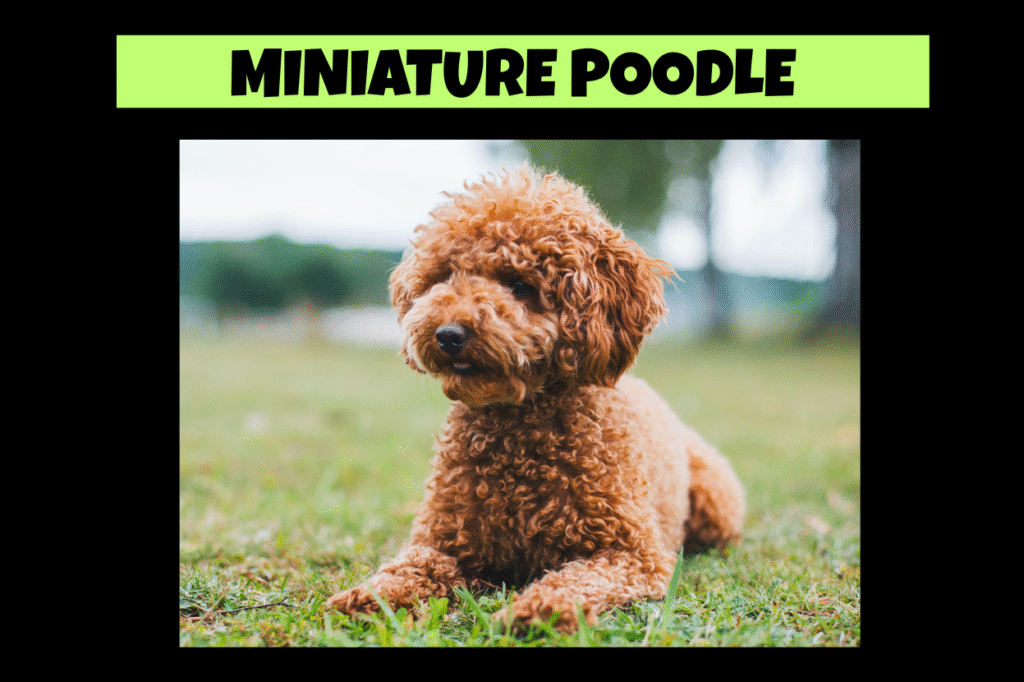
The Miniature Poodle is often said to be the “best of both worlds”. Big personality, smaller package.
Size & Build
Miniature Poodles are usually 10-15 inches tall and weigh 10-15 pounds. They’re compact but sturdy.
Personality & Temperament
Miniature Poodles are lively, affectionate, and incredibly smart. They love learning new tricks and thrive on attention. Many families find them easier to manage than Standards while still getting that classic Poodle personality.
Lifestyle Fit
This type is ideal for:
- Apartment dwellers
- Small families
- Seniors who want an active but manageable dog
As long as they receive daily walks, mental stimulation and lots of human contact, they are flexible and content.
Health Considerations
Miniature Poodles can have hip problems, such as dysplasia, kneecap dislocation (patellar luxation), and certain eye disorders. Keeping them at a healthy weight and choosing a reputable breeder helps reduce risks.
3. Toy Poodle: Small Size, Huge Heart
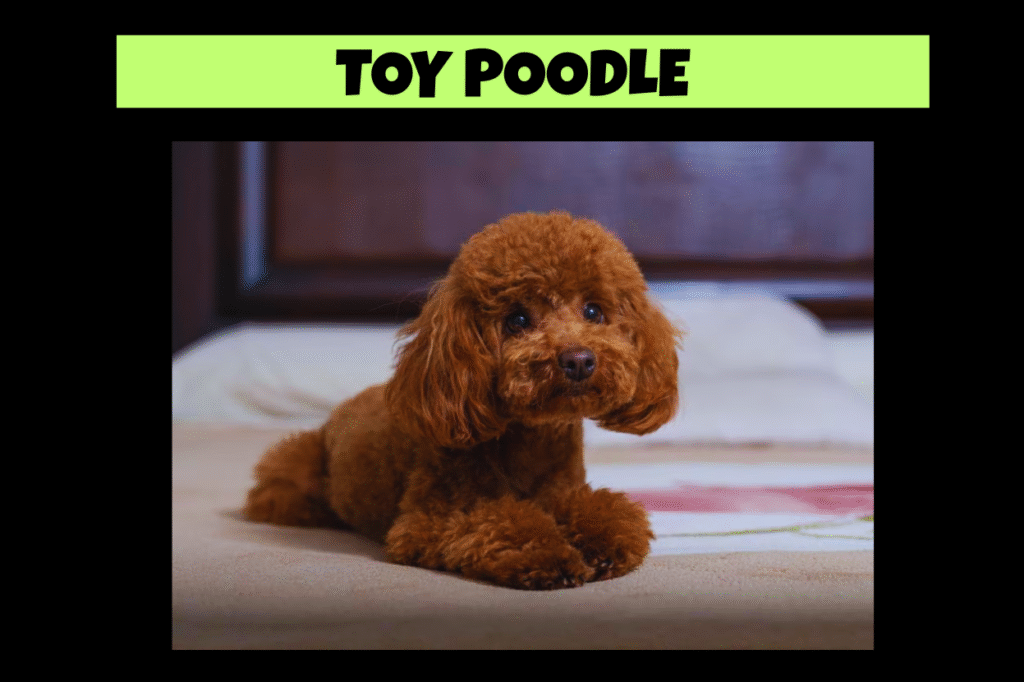
Don’t let their tiny size fool you—Toy Poodles are bold, bright, and full of personality.
Size & Build
Toy Poodles stand under 10 inches tall and usually weigh between 4 and 6 pounds. They’re delicate in size but not fragile in spirit.
Personality & Temperament
Toy Poodles are affectionate, alert, and incredibly loyal. They often form very close bonds with their owners and love being involved in everyday life—whether that’s a car ride or a quiet evening on the couch.
Lifestyle Fit
They’re perfect for:
- City living
- Small homes
- Older adults
- Anyone looking for a true companion dog
Short walks, indoor play, and mental stimulation keep them happy.
Health Considerations
Because of their small size, Toy Poodles can be prone to dental issues and knee problems. Regular vet visits and proper dental care are essential.
Also read:
8 Apartment Dogs That’ll Make Neighbors Jealous
What About “Teacup” Poodles?

You’ve likely seen breeders list Teacup Poodles, and that’s fine but this term is not officially recognized by major kennel clubs in the United States.
Teacup Poodles are typically Toy poodles that have been mixed with even tinier dog breeds to become unnaturally small. These dogs can have brittle bones, heart problems and short lives. Ethical breeders usually do not produce super sized ones.
If you’re thinking about a tiny Poodle, the safer option is a healthy Toy Poodle from a responsible breeder.
Poodle Coats, Colors, and Grooming Needs
Poodles are famous for their curly, non-shedding coats. While this is great for allergy-sensitive households, it does come with responsibility.
Grooming Reality
- Daily brushing prevents matting
- Professional grooming every 4–6 weeks is common
- Neglected coats can become painful and unhealthy
Common Colors
Poodles come in a variety of solid colors, including black, white, cream, apricot, red, silver, blue, and brown.
Their coat texture and quality are more important than color when it comes to health and comfort.
Are Poodles Good Family Dogs?
In a word: yes.
Poodles tend to:
- Get along well with children
- Coexist peacefully with other pets
- Respond well to training and boundaries
That said, like any breed, early socialization and positive training make a big difference.
Choosing the Right Poodle for Your Life
Ask yourself:
- How much space do I have?
- How active is my lifestyle?
- How much time can I commit to grooming?
- Do I want a jogging partner or a lap companion?
There’s no “best” Poodle—only the best Poodle for you.
Frequently Asked Questions (FAQ)
Are Poodles hypoallergenic?
No dog is truly hypoallergenic, but Poodles shed very little and are often better tolerated by people with allergies.
Do Poodles bark a lot?
They can be alert barkers, especially Toy and Miniature Poodles but with training they can be managed.
Are Poodles hard to train?
Quite the opposite. They’re one of the easiest-to-train breeds due to their intelligence and desire to please.
How long do Poodles live?
The average Poodle usually lives somewhere between 12 and 18 years old depending on size and health overall.
Are Poodles good for first-time dog owners?
Yes, particularly Miniature and Toy Poodles, provided the owner is commited to groom and train them.
Final Thoughts: Why Poodles Stand the Test of Time
Poodles are not just stylish or refined — they arguably are flexible, loyal and profoundly bonded to their people.
Whether you choose a towering Standard, a balanced Miniature, or a tiny Toy, what you have on your hands is a dog that wants to learn, love and live in your lap.
They’re not just pets. They’re partners.
And once you live with a Poodle, it’s difficult to imagine life without those shining eyes and bouncing curls at the door. 🐩✨