
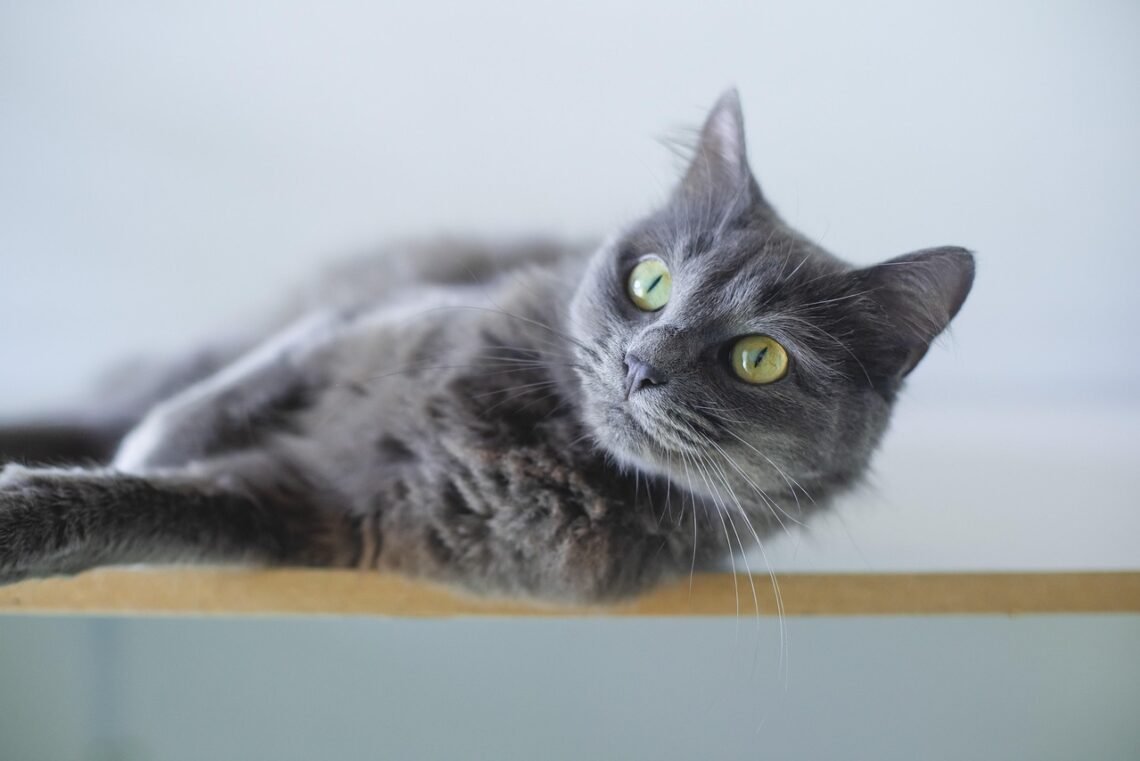
Cats are interesting little beings with individual personalities, but there are certain things they do that might leave their owners scratching their heads. Knowing why cats behave as they do will make you that little bit closer to your pet, and keep him or her as happy and contented as can be. But what are the things cats do and why do they do them?
1. Kneading
Kneading, when cats press their paws repeatedly into a soft surface, often originates from kittenhood. Kittens knead their mother’s belly to stimulate milk flow. Adult cats continue this behavior as a sign of comfort, contentment, and affection. Kneading can also mark territory since cats have scent glands in their paws.
2. Purring
Why cats purr other than when they are happy. Although a happy, satisfied cat often purrs when petted, cats may also purr when they are distressed, in pain or need help. Specialists have a sense that purring may be releasing endorphins and even aiding healing. Noticing the context and body language can say a lot about why your cat is purring.
3. Head-Butting and Rubbing
Cats will rub their head against you or other objects to share their unique scent with the scent glands in their faces. This behaviour expresses trust and friendship in relation with men, or confidence towards things. Head-butting is a positive social behavior and method cats us to communicate emotional closeness with their owners.
4. Chasing Lights or Shadows
A lot of cats – some by nature – are entertained by moving lights, reflections or shadows. This behaviour is based on hunting thinking, with rapid movements causing a cat to ‘switch’ into its predatory instinct. It might appear random or whimsical, but it fills their need for both mental and physical exercise. Interactive toys can help to direct this energy toward a useful purpose.
5. Hiding or Retreating
Cats will often hide if they are stressed, frightened, sick or overstimulated. It is a very normal stress response for them to hide so that they feel safe and can watch their surroundings without being in imminent danger. Two may indicate a health or behavioral problem, and prolonged hiding should be avoided.
Knowing what is behind these common actions can help you react accordingly, eliminate what stressors possible and improve your relationship with your cat. Keeping an eye on context, body language and consistency will see your cat feeling safe, loved and mentally stimulated.